
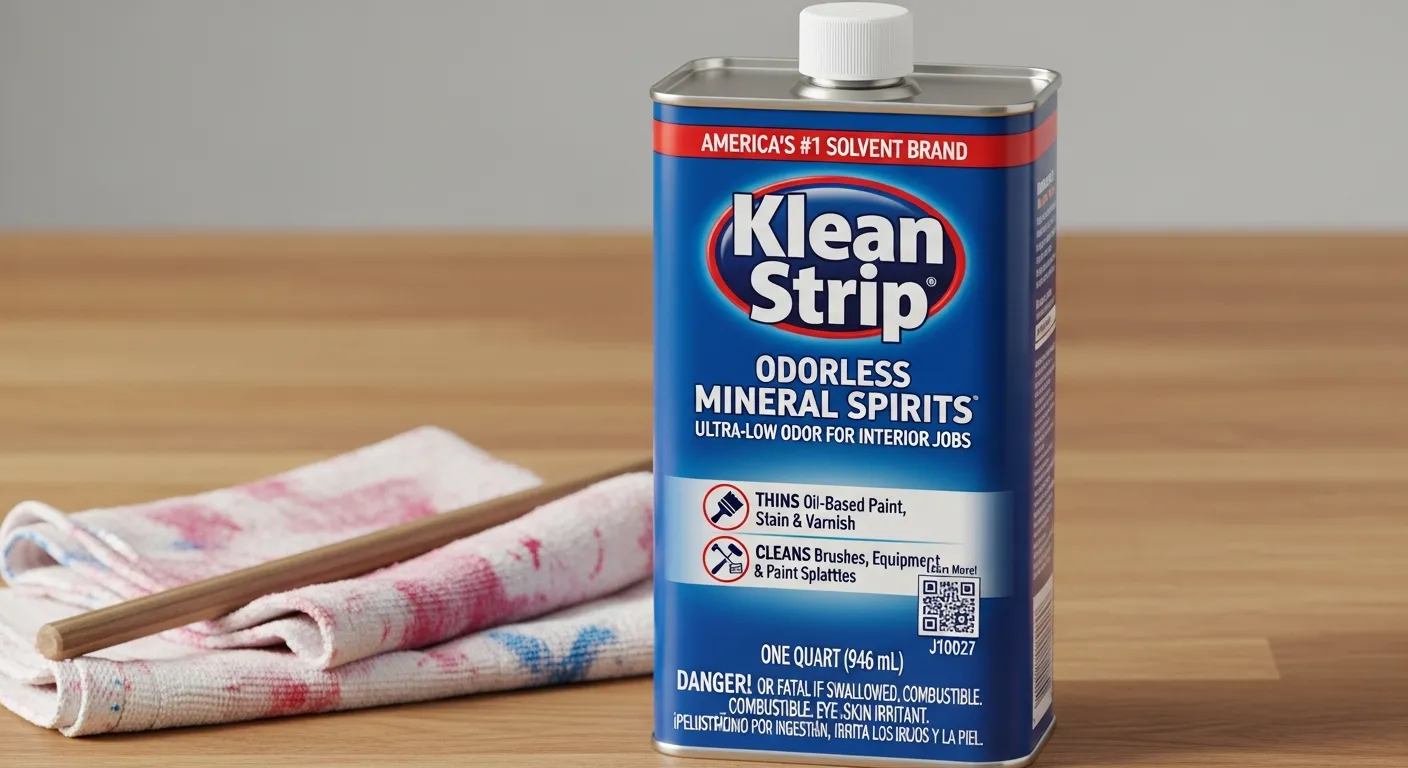
Mineral spirits, often known as “white spirits,” are used for both domestic and industrial purposes. It is a by-product of petroleum refining, mostly used to clean surfaces in homes and as a solvent in paint, aerosol, stains, and varnishes. It is also used by painters for thinning paint and for cleaning paint brushes to remove grease. This blog discusses mineral spirits, including safe handling procedures.
Key Features of Mineral Spirits
- It’s an Irritant - Though it has low toxicity, even if it is breathed in, ingested or splashed on the skin, it is an irritant.
- Flammable - It is flammable, though less than acetone.
- Unpleasant Smell - Just like kerosene, it has an unpleasant smell.
- Insoluble in Water - It is insoluble in water as it is a nonpolar solvent.
- Less Prone to Fire Hazard - It has a lower vapor pressure, which makes it less of a fire hazard.
- Transparent - It is a clear, transparent liquid.
Different Uses of Mineral Spirits
It is used for multiple purposes such as cleaning windows, wooden furniture, and floors in homes, and for many industrial and commercial uses as well:
Remove Paint From Paintbrushes
Mineral spirits are used in homes to remove paint from paintbrushes immediately after the paintwork is done, because once the paint dries and forms a layer on the brush, it becomes difficult to clean. All you have to do is dip the brush up and down in a container filled with mineral spirits and gently press the brush against the sides of the container. Keep dipping the brush until paint is removed completely, then wipe excess solvent using a clean rag and allow the brush to dry.
Thinning of Paint
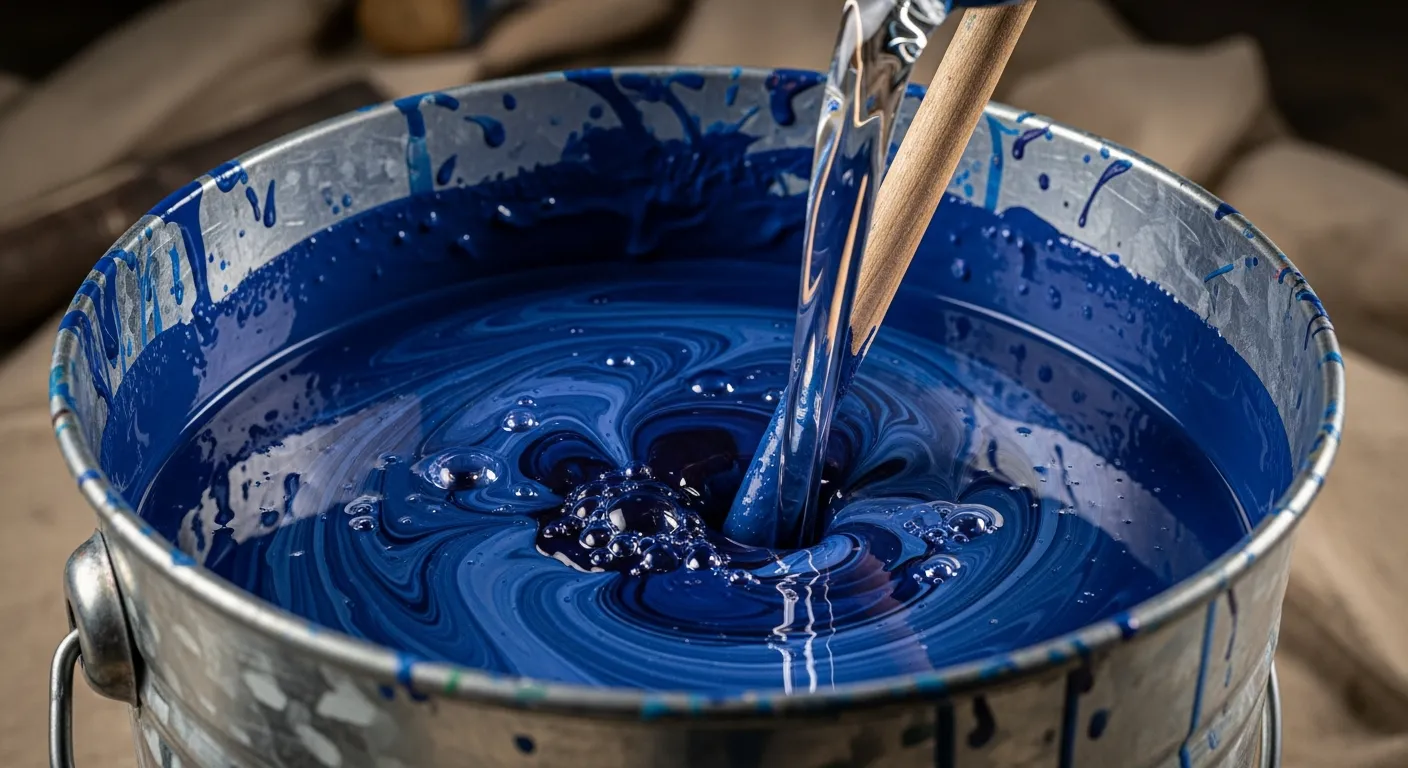
Mineral spirit is used to thin oil-based, latex and water-based paints to the desired consistency. Mix paint and mineral spirits in a painting bucket when painting a large surface area. Whereas for smaller tasks like fixing scratches on furniture, mix paint and solvent on a palette or in a small bowl.
| Some Tips | Mix one part of mineral spirit to three parts of paint. If you want a transparent finish, add more mineral spirits. |
Clean Grease
It is used as a degreaser for metal tools by dipping the tool in a bucket of solvent, then wiping off any remaining grease with a clean cloth. Mineral spirits are also used to degrease automotive parts, bicycle chains, garden tools such as wrenches, paint brushes, and industrial equipment.
Cleaning a Sticky Surface
It effectively cleans sticky surfaces and fresh gum from floors and counters thanks to its emulsifying properties. It is also used to remove residue left by price tags and sap from shears and gardening tools.
| Some Tips | Don’t use it directly on clothing. |
Help Restore the Luster of Various Wooden Surfaces
Mineral spirit is often used to clean wooden surfaces on doors, floors, desks, and furniture. Once cleaning is done, wipe the surface with a clean cloth to remove any remaining solvent.
Work as an Effective Window Cleaning
It is an effective window-cleaning solution. Simply apply a little solvent to a cloth and wipe away dust, scuffs, and any other marks from the window.
Clean Scuff Marks From the Floors
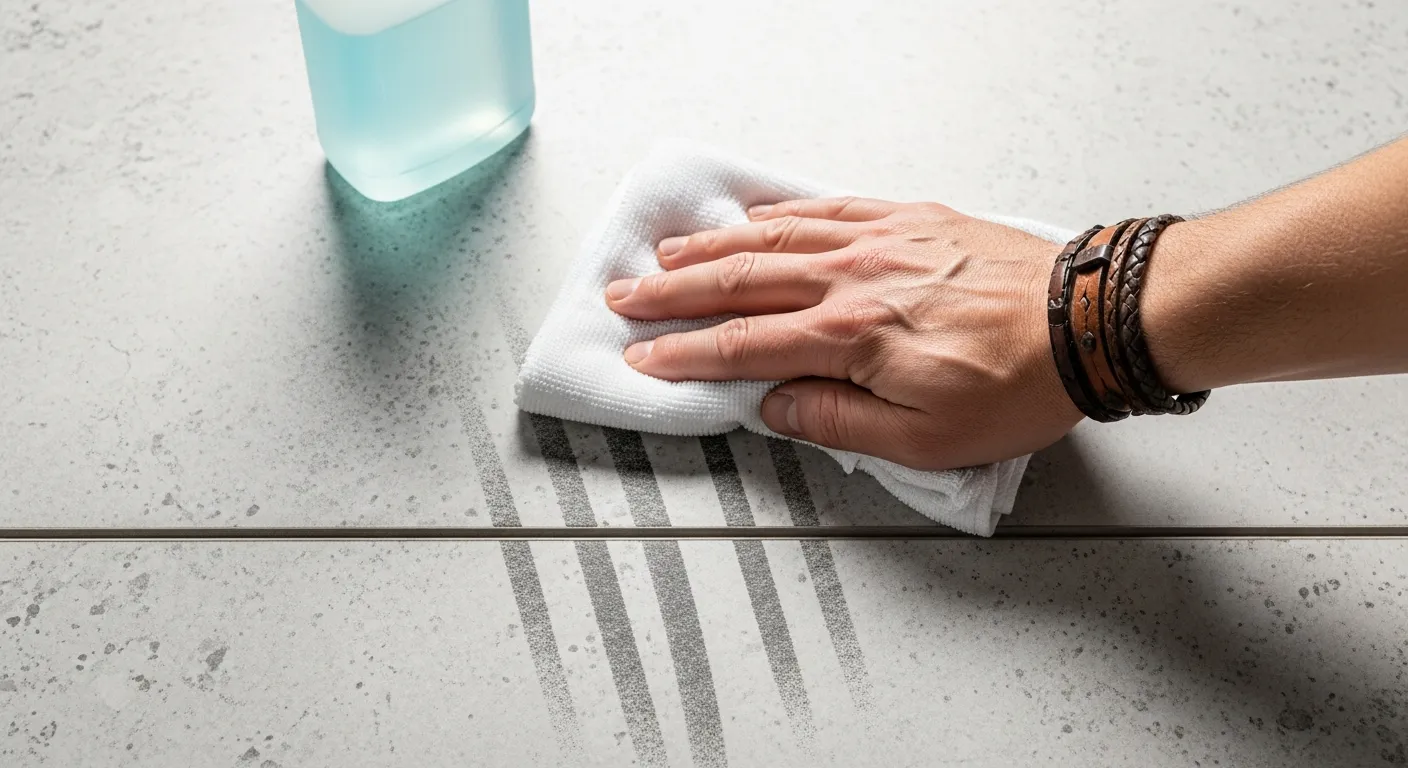
Before using it on the floor, patch-test it in an inconspicuous area. If it works, dab a mineral spirit-dampened towel on the scuff and then clean the leftover solvent residue with a few drops of dish soap and a damp rag.
Mineral Spirits Safety: Handling, Storage, and Proper Disposal
Safe storage, proper handling, and disposal of mineral spirit is highly essential to avoid the risk of fire, injury, or damage to the property. If the solvent is stored in an open container or placed near an ignition source, it can pose a fire hazard or damage property. Here is the detailed information on the storage and disposal.
Storage: Approved containers are available for the safe storage of these flammable solvents. According to the Occupational Safety and Health Administration (OSHA) and the National Fire Protection Association (NFPA), any facility that uses mineral spirits or other flammable substances must adhere to safety measures. There are companies that manufacture containers for storing mineral spirits that comply with safety measures.
Disposal: Safe disposal of mineral spirits is essential because pouring the solvent down the drain can harm local wildlife and contaminate groundwater. Mineral spirit has a low ignition temperature, so they can catch fire at even 104 degrees Fahrenheit.
The best approach is to filter and reuse, the method is quite simple. Put used spirit in a clean glass jar and let it sit until the mineral spirit separates from other substances. The process of separation takes longer, as long as a month. Once the pure mineral spirit reaches the top of the jar, pour it into a clean, separate jar, seal it, and store it.