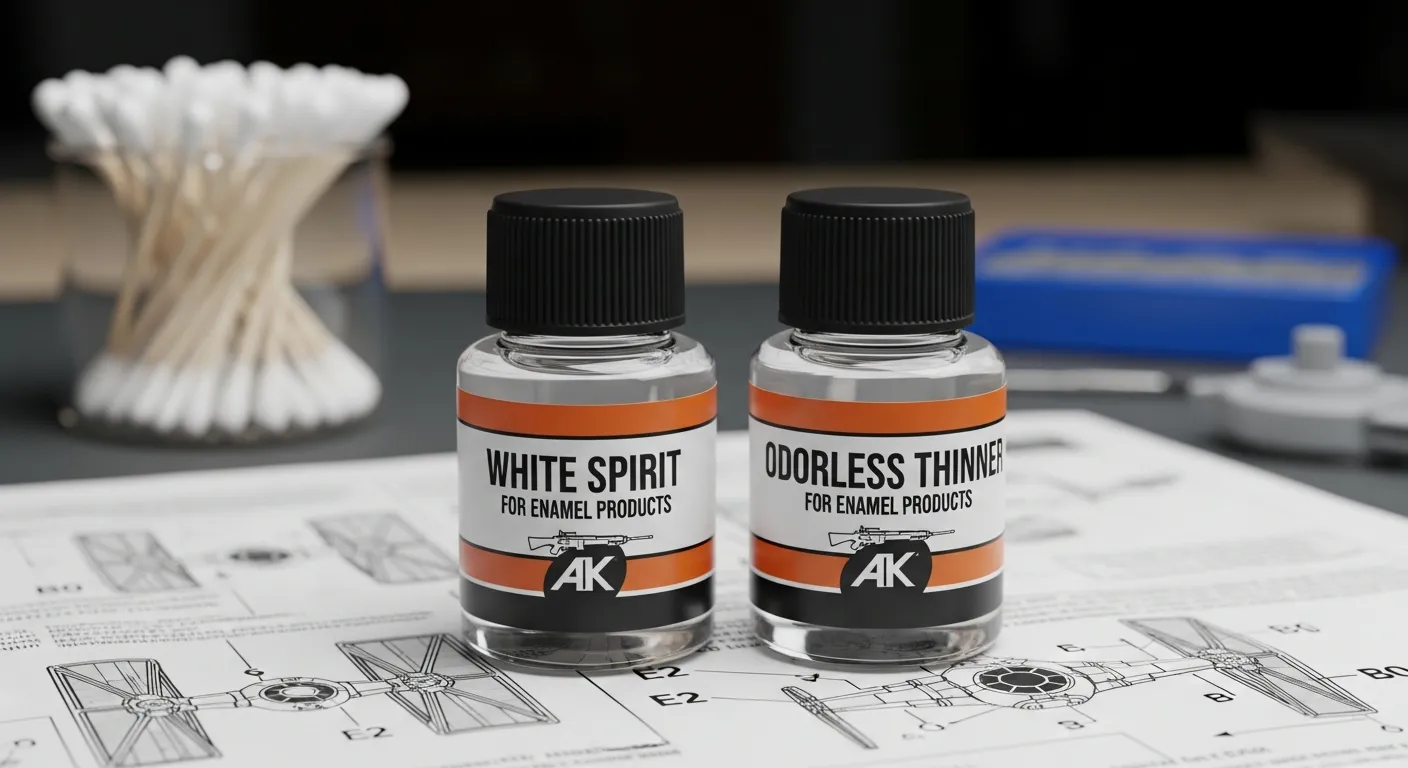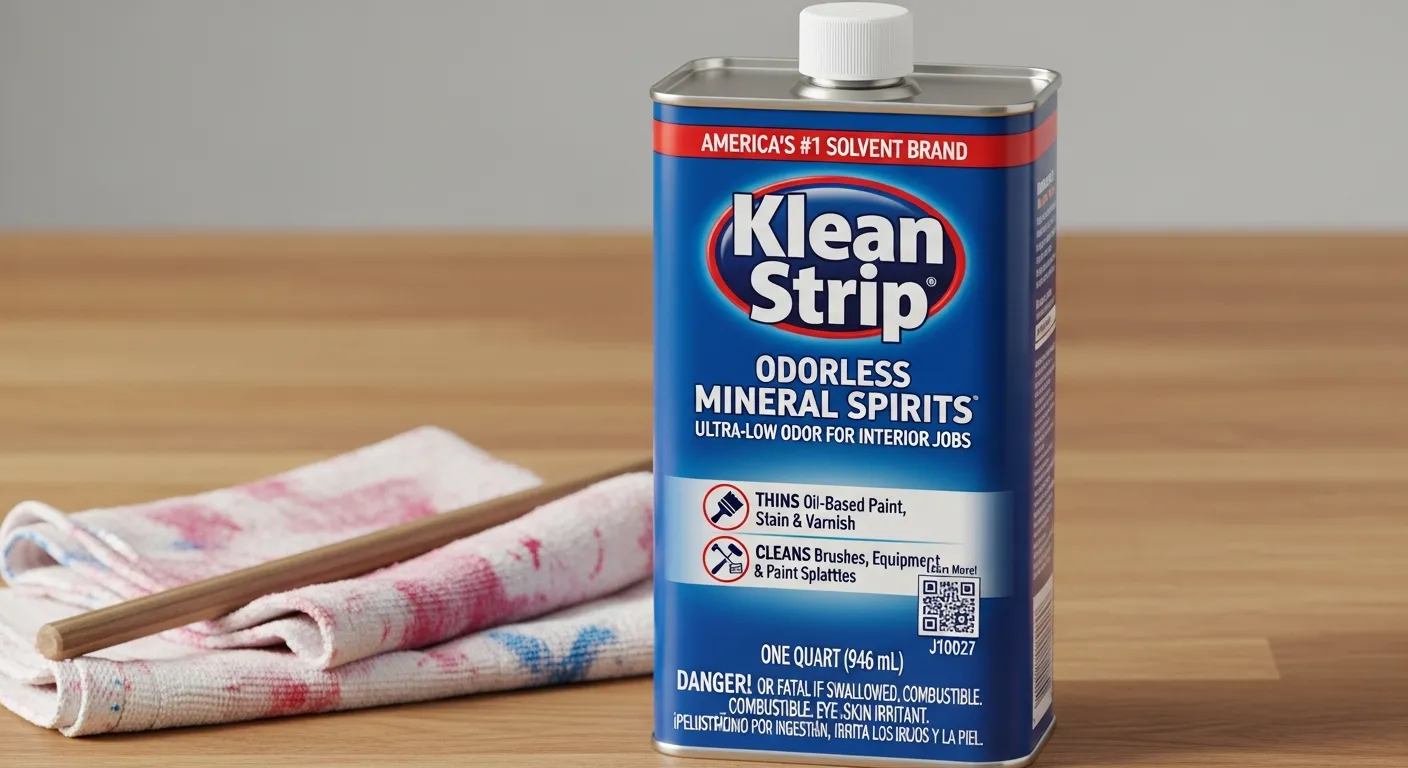

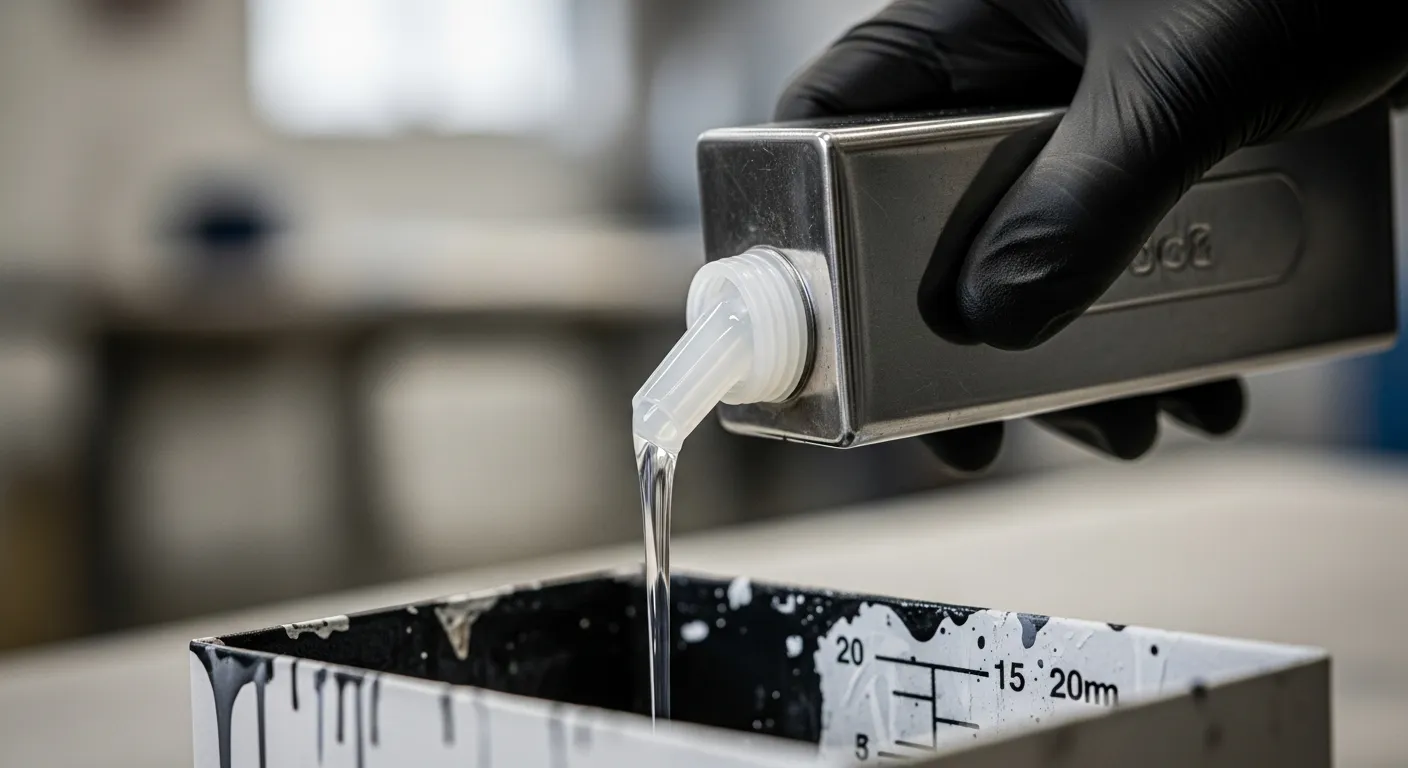
If you're also worried about how to dispose of paint thinner after concluding the painting work, you're not alone. Paint thinner is a harmful material that should be stored and disposed of safely. Paint thinner, if improperly disposed of, can harm the environment, humans, and pets. Therefore, it is crucial to follow some guidelines when disposing of.
This blog will take you through a step-by-step guide to safely disposing of paint thinner.
What is Paint Thinner and Why It Needs to Be Recycled?
Also known as mineral spirits, paint thinner is a solvent mainly used to clean oil-based paints and pigments from paint brushes and tools. As it is a petroleum-based product, it can be harmful to the environment if not disposed of properly.
Why Should You Recycle Paint Thinner?
Here are a few primary reasons why paint thinner needs to be recycled.
Cost-Effectiveness: Reusing paint thinner will help you save money on new solvent purchases.
Good for the Environment: Recycling paint thinner helps reduce harmful waste in water bodies and landfills.
Conserve Resources: Recycling paint thinner helps conserve the raw materials used to make it. Those materials can be used for other purposes.
How to Dispose of Paint Thinner: Step-by-step Guide
Here's a step-by-step guide to disposing of paint thinner safely.
1. Disposal of Rags
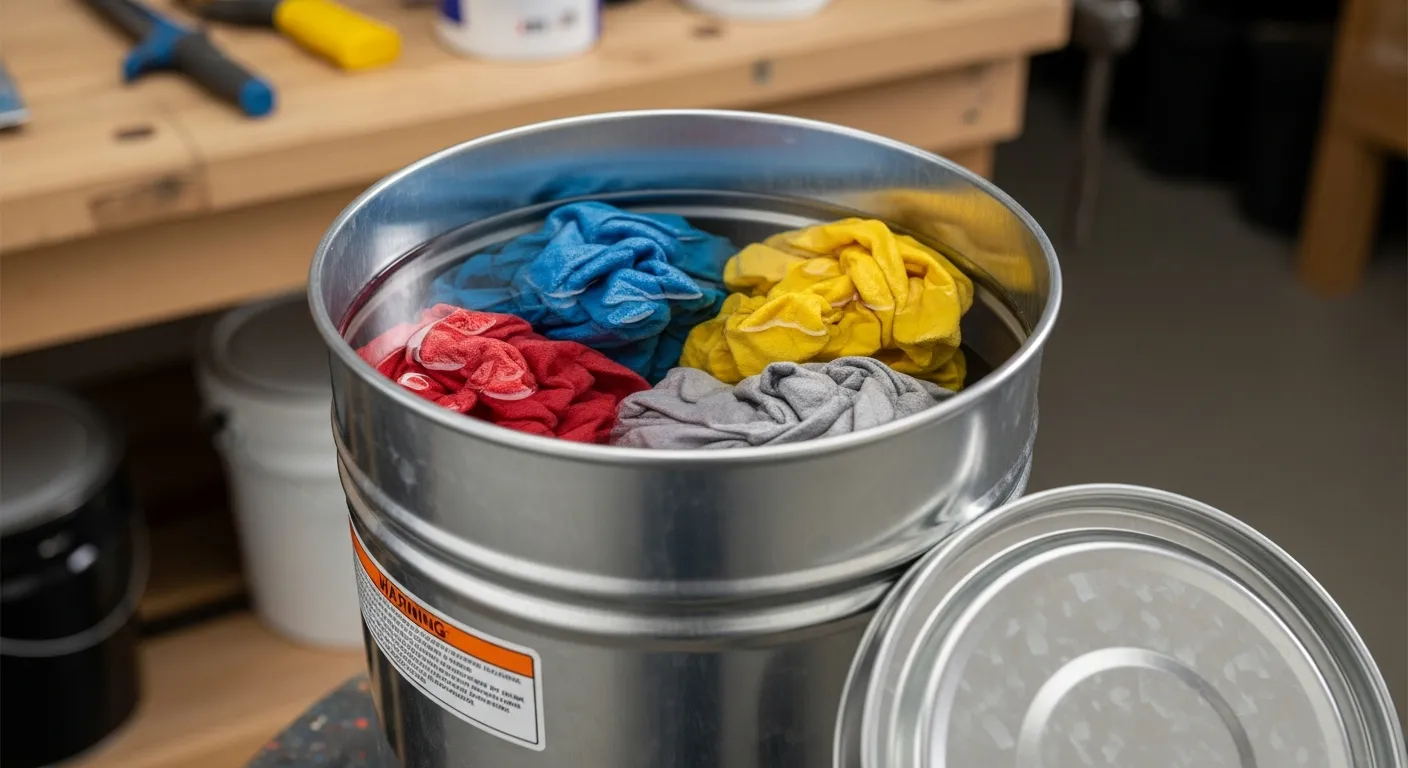
When soaked in paint thinner, rags become combustible in air, which may catch fire. Therefore, they need to be placed in a metal container filled with water, sealed with a tight lid, and then taken to a hazardous waste disposal site.
2. Allow Dirty Paint Thinner to Settle
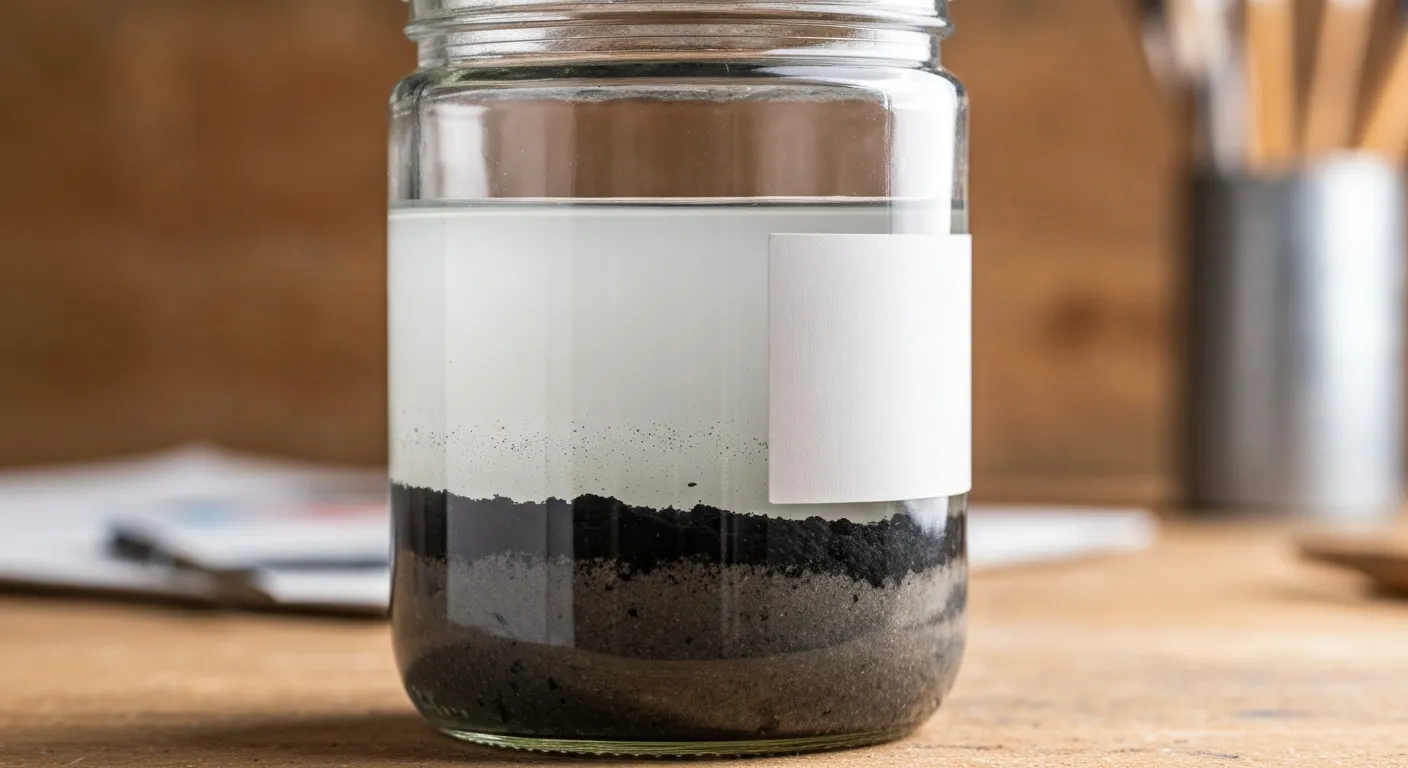
You can use paint thinner multiple times. After you have soaked the brushes and tools, leave the paint thinner in a sealed, labeled glass container. With each passing day, the dirt will settle at the bottom. The time for the thinner to settle may range from a few days to several months, depending on the amount of dirt in the paint thinner.
3. Separate Usable Paint Thinner
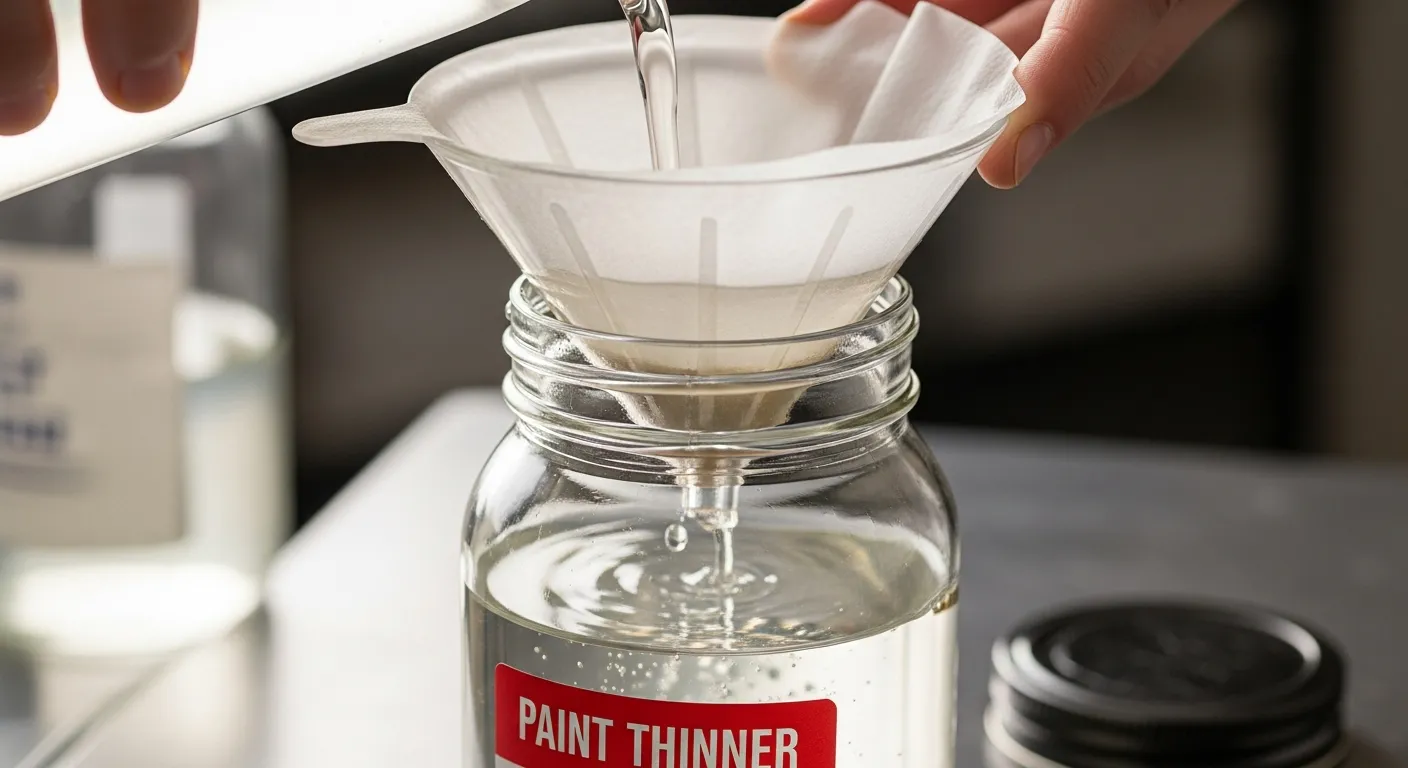
When the dirt settles, you'll see a fresh, usable layer of paint thinner on top. Use a coffee filter to strain this usable paint thinner into a clean glass jar. Leave some space at the top of the jar. Do not forget to seal the jar tightly and label it.
| Notes | Wear nitrile or rubber gloves while handling and disposing of paint thinner. |
4. Let the Remaining Thinner Dry
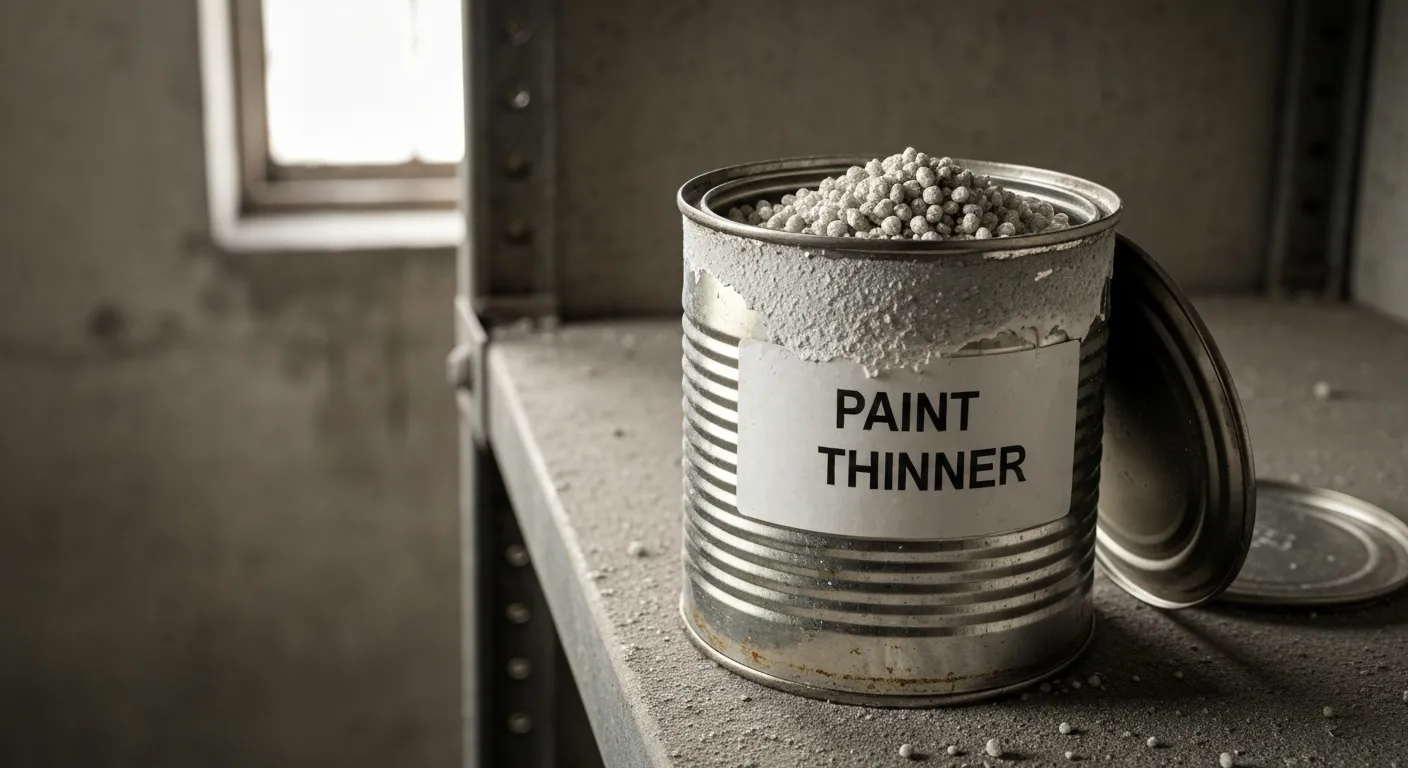
Open and leave the container in an airy space. To speed up drying, add cat litter, sawdust, or sand. Make sure that you keep this container out of reach of children, pets, heat, and flammable materials.
5. Wrap and Throw Away
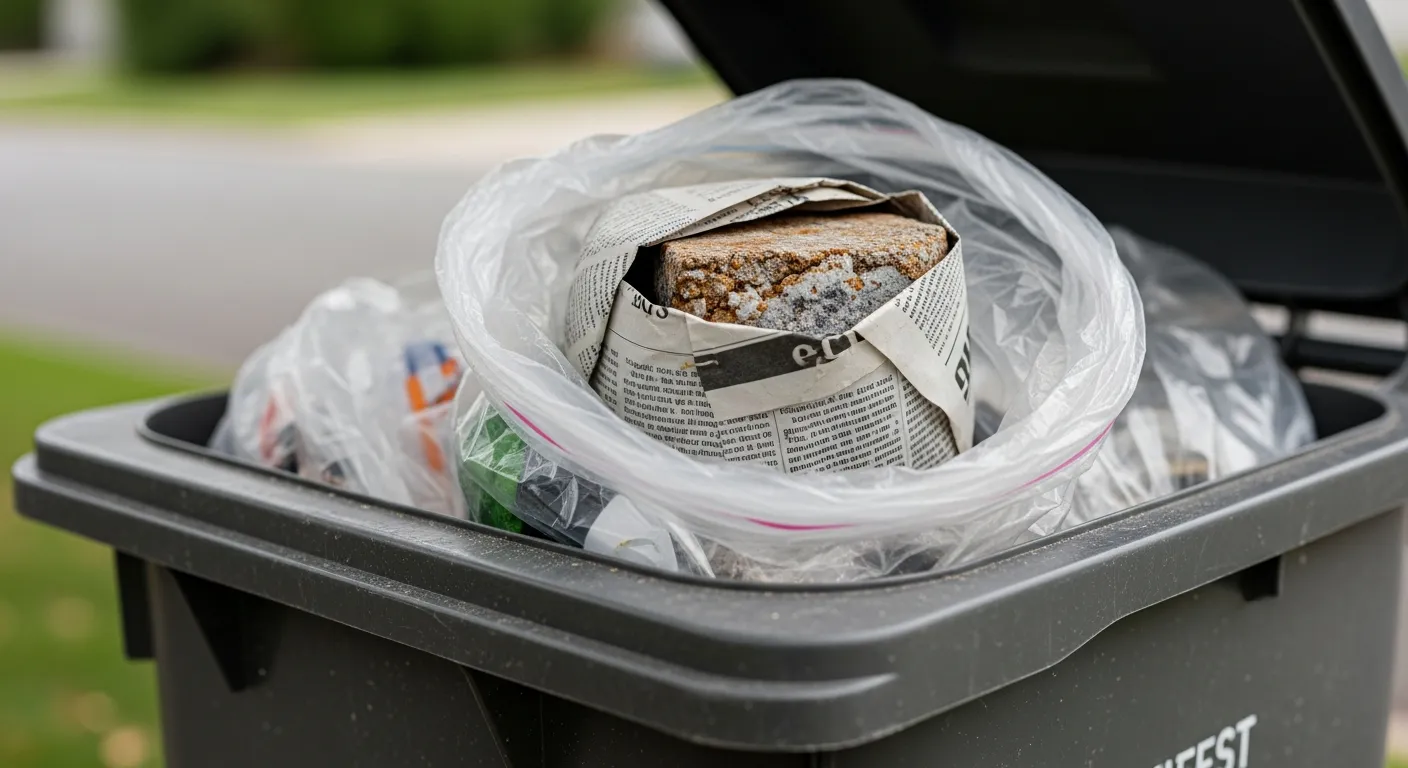
Once the remaining material has completely dried, wrap the dried paint thinner in newspaper and seal it in a plastic bag. Now, throw this away in your household bin. Just make a call to confirm whether your waste collection service will accept this.
6. Discard Empty Paint Thinner Containers
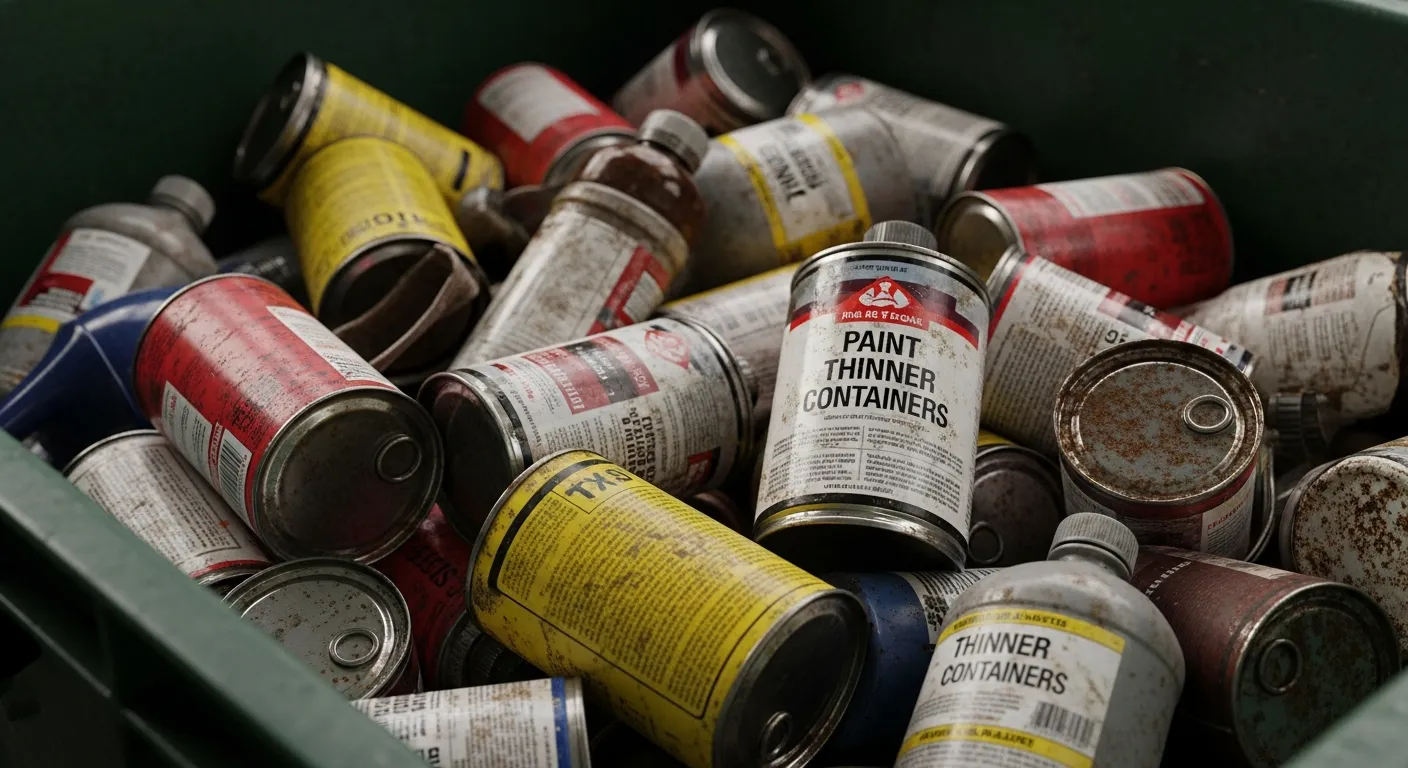
If the container has less than 1 inch of dried residue, you can throw it in your household trash. However, if the residue is still liquid, consider disposing of it at a hazardous waste collection site.
Step-by-Step Guide to Dispose of Unusable Paint Legally
First, you'll need to determine whether your paint thinner is water-based or oil-based. If it is water-based, it can be thrown out into a regular trash bin. However, if your paint thinner is oil-based, it should be handed over to a drop-off facility. Handing the unusable paint thinner to any local hazardous waste facility is a legal way to dispose of it.
Why You Can't Throw Paint Thinner in the Trash?
Paint thinners are flammable and toxic, and can damage your skin, eyes, and lungs if they come into contact with them. Paint thinners also cause harm to the environment; therefore, they should not be thrown directly in the trash.
How to Safely Recycle and Reuse Paint Thinner at Home?
Paint thinners can be reused if you safely transfer the used product into a sealed container. After some time, once the residue has settled, extract the usable paint thinner from the top layer into a clean container. Let the remaining residue dry, then throw it away in a regular trash bin.