

Acrylic paint is not completely waterproof, but once it dries, it forms a water-resistant acrylic film. Many paint companies suggest not using them outdoors without proper preparation. This is because exposure to rain, UV rays, and temperature changes can cause the paint to fade, crack, and peel over time.
To use acrylic paint outdoors, you will need varnishes specifically formulated for outdoor acrylic paint. This protective layer can help resist moisture, sunlight, and wear and tear, prolonging the paint's lifespan. To help you better understand how acrylic paint resists weather elements, this blog discusses the key aspects of your question: “Is acrylic paint weatherproof?”
What Does Acrylic Paint Consist of?
Acrylic paint consists of three main components -
- Pigment: which offers the color to the paint.
- Water: to give the paint a fluid consistency.
- Acrylic Polymer: which acts as a binder holding the pigment together.
In addition, the paint contains additives, such as stabilizers, preservatives, and surfactants, to improve shelf life and performance, thereby making it weather-resistant. Some formulations also contain fillers or extenders that help adjust the opacity, color, texture, and finish.
How Does Acrylic Resin Help With Water-Resistance?

In acrylic paint, the resin or polymer forms a continuous plastic film after drying. This happens after the water in the paint dries up properly. The paint sheds moisture rather than absorbing it, which is why some professionals prefer acrylic paint for demanding surfaces. The glass transition temperature also plays an important role in how the paint handles abrasion, contraction, expansion, and outdoor movement.
How Does Acrylic Paint Dry?
After application, the water in the paint evaporates, leaving behind just the pigment and the polymer. This helps the paint to dry up quickly. As the water evaporates, the resin particles fuse together, forming a thin film that adheres to the surface.
Once it dries, the paint acts as a solid polymer shell. However, the film is not 100% waterproof, so prolonged exposure to water can cause it to soften. This may further promote surface swelling and weaken adhesion. The pigment stays in place thanks to the resin, but the film can be damaged if moisture persists.
Features to Look for When Choosing Acrylic Paint
To use acrylic paint outdoors, you must choose a paint formulated for outdoor use. The additives in the paint help withstand several environmental challenges, such as -
- Weather and Wind: The weather-resistance quality of the acrylic paint must withstand rain, snow, and strong winds, without cracking or peeling.
- Protection From UV: Acrylic paint can resist UV rays, as it contains UV inhibitors that prevent fading and polymer degradation.
- Resistant to Heat and Frost: The paint maintains its integrity even during hot summer days and does not become soft or tacky. Also, it does not crack when the temperature freezes.
- Maintain the Original Appearance: The paint retains its original color even under varying weather conditions.
All these properties ensure that the paint can be used outdoors.
How to Hold Up Acrylic Paint in a Humid Environment?
As mentioned earlier, acrylic paint can absorb moisture. This can lead to peeling, cracking, fading, and loose adhesion over time. This issue can be avoided by preparing the surface well and applying a moisture-resistant primer before painting. Also, you should use a waterproof sealant to provide an additional layer of protection after the paint application.
How to Enhance the Water Resistance Properties of Acrylic Paint?
Here are some ways you can enhance the water resistance properties of acrylic paint so that it lasts longer -
Use Primers
Priming your surface is the first step. Ensure the surface is properly primed before applying paint. This creates a barrier between the surface and the paint. Thus, reducing moisture or water absorption.
Apply Sealants
Sealants can also enhance the water resistance properties of acrylic paint. It is important to apply the sealant once the paint has dried properly to protect it from moisture. As there are several types of sealant available, it is advised to choose the one that suits your needs.
Choose the Right Varnish
It is important to add varnish for additional durability of the paint. There are several varnishes available, each offering different levels of protection and finish. So, choose the one that aligns with your project type.
Waterproofing Tips for Different Surfaces
Here are some waterproofing tips for using acrylic paint on different surfaces -
Wood Surfaces
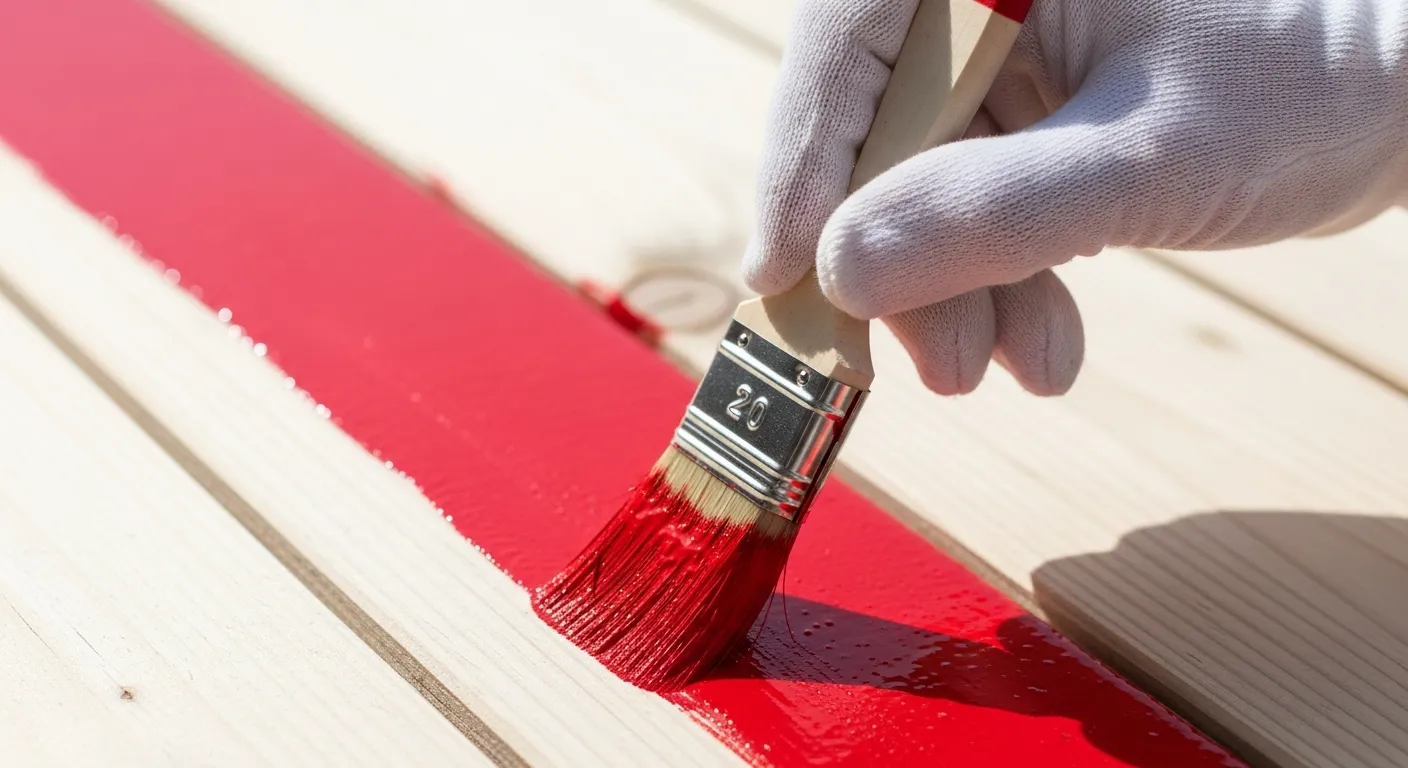
- Sand and prime the surface before painting.
- Use acrylic paint made especially for wood.
- Apply multiple coats of paint for outdoor items.
- Reapply protective coating every year to maintain the fresh look.
Fabric and Textiles

- Mix a fabric medium with acrylic paint.
- Heat set it with an iron to make the finish more durable.
- If it is an outdoor fabric, add waterproofing spray.
- Allow it to cure for 72 hours and then test wash.
Metal Surface
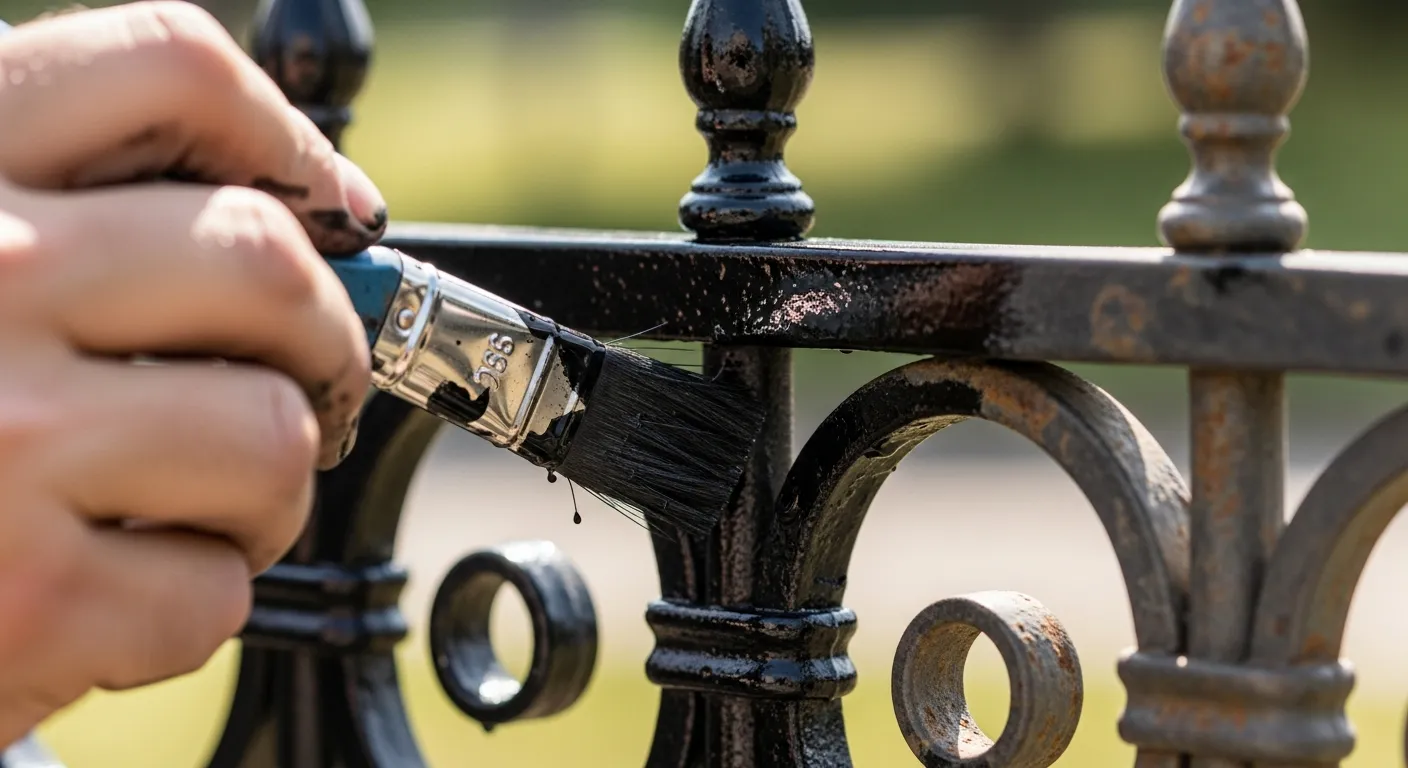
- Remove the rust on the surface and apply metal primer.
- Use acrylic paint made only for metal.
- Seal the paint with automotive clear coat for durability.
- If you maintain it properly, rust breakthrough can be prevented.
| Notes | Ensure to maintain the surface, especially if it is on the outside of the home, to prevent weather damage. |