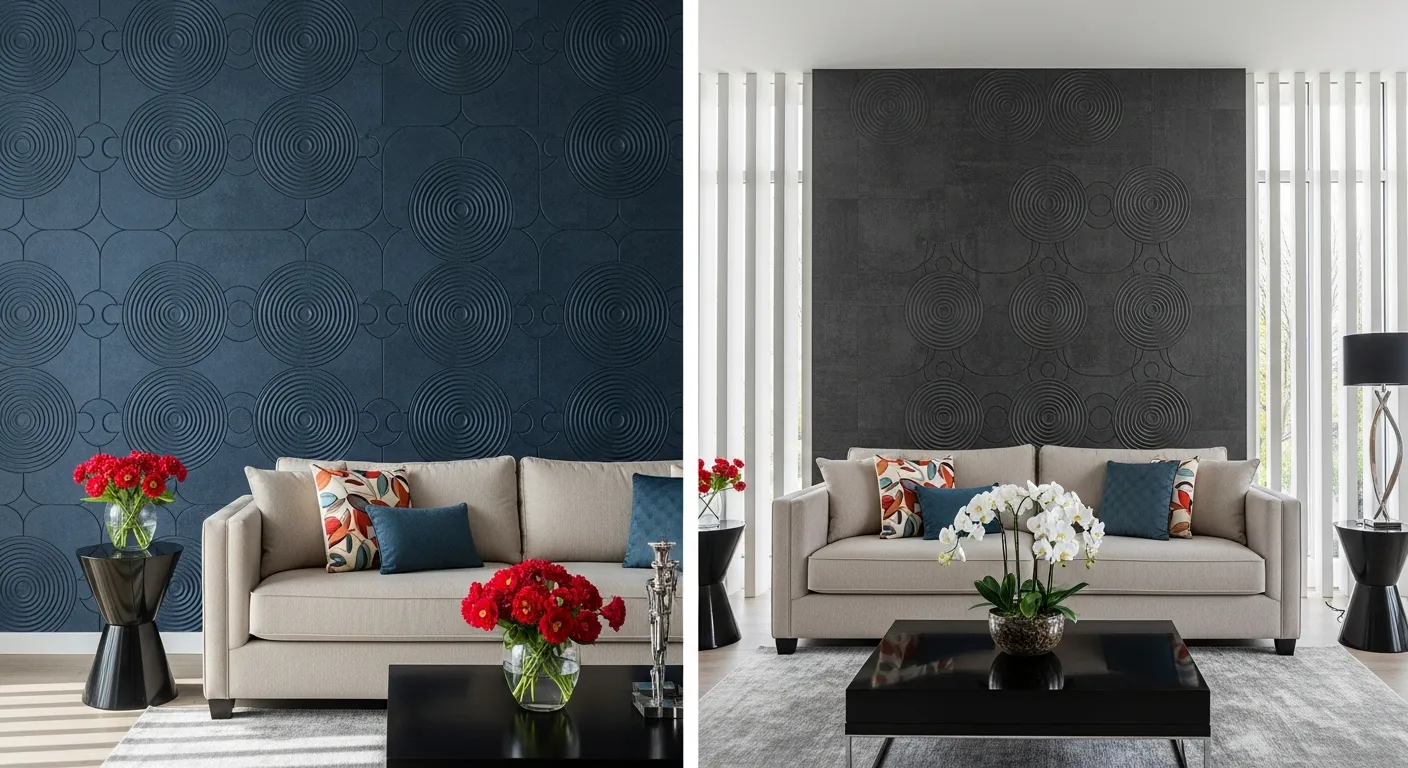

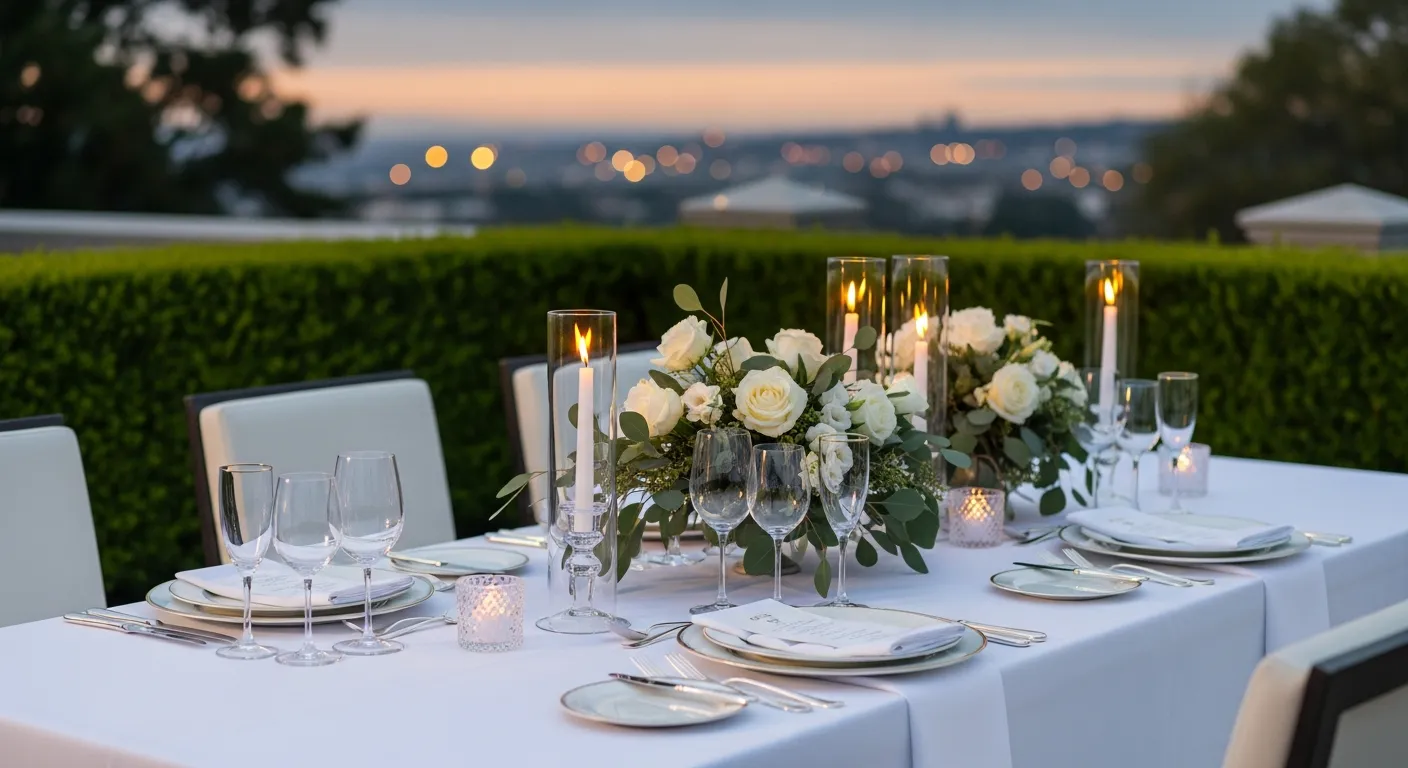
Tablescaping simply means setting the table, but it goes far beyond just placing plates, glasses, and cutlery. When you style a table, it sets the mood, creates a perfect vibe, makes it more personal and inviting, and gives it character. You can incorporate elements, such as linen, dinnerware, centerpieces, candles, textures, colors, and small decorative items to reflect the occasion.
Thoughtful tablescaping can turn an ordinary table into a beautiful focal point. However, it is important to understand what a tablescape is. This blog aims to help you understand the concept of a tablescape and how to create one.
What is a Tablescape?
Tablescaping is dressing up your dining table with flowers, centerpieces, decor, crockery, and glassware. The styling can follow a theme, style, or occasion, or it can just be a hobby that you want to follow. All the items in tablescaping are carefully selected to complement each other.
Also, when decorating, avoid using white plates and glasses or plain silverware. Instead, incorporate patterns, colors, textures, and other elements to enhance the ambiance and make it more appealing and welcoming. In addition, this approach makes the environment special, interesting, and memorable.
Importance of Tablescape
The table sets the stage, enhancing the dining experience by creating a perfect mood and focal point on any occasion. Much like a stage, a tablescape helps express the theme clearly. It not only adds a visual interest, but also supports the natural flow of conversation. Thus, making the atmosphere relaxing or vibrant depending on the occasion.
Where Tablescaping Can Be Done?
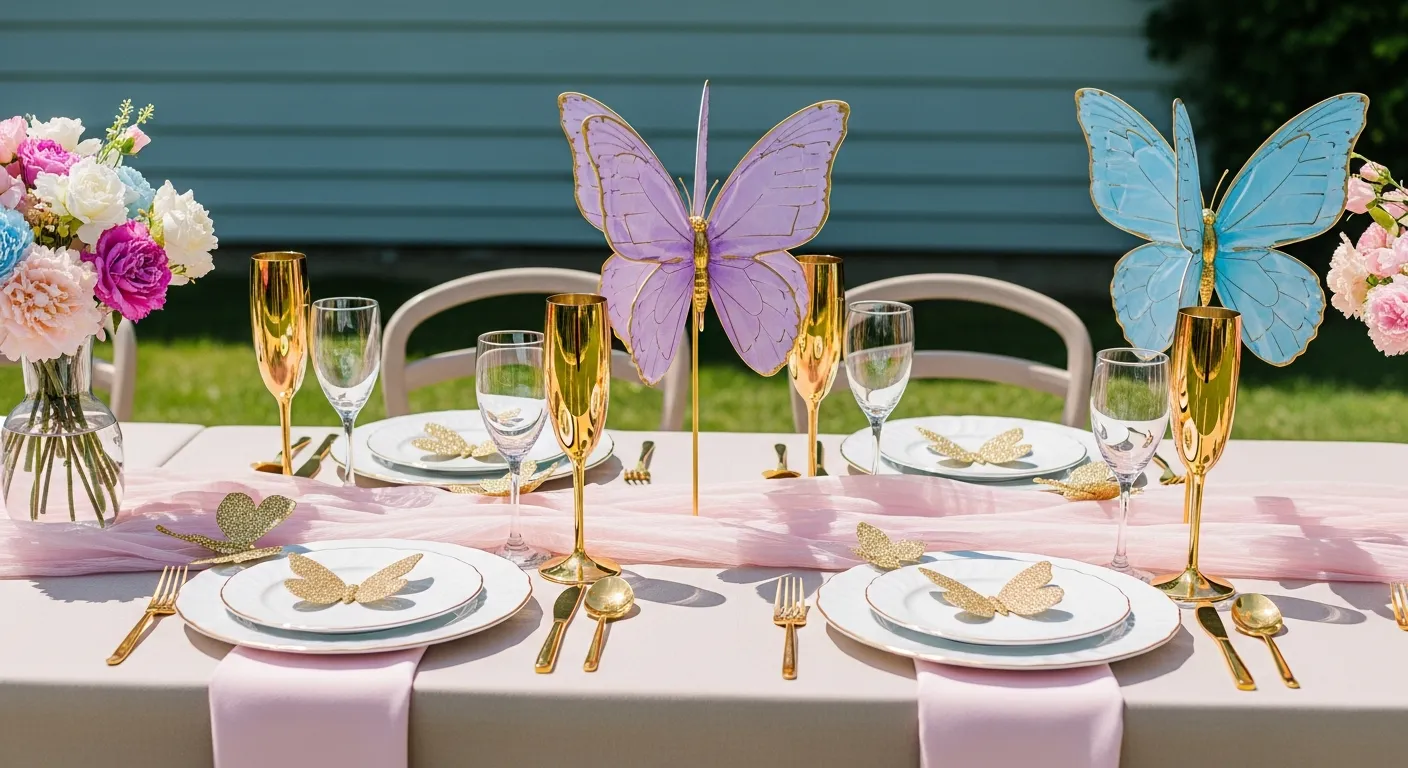
Here are some settings where tablescaping can beautifully elevate the overall dining experience -
Table Settings
In an event, it is important to add colors and styles that complement each other while accommodating the basic elements, such as utensils, glasses, etc.
Entrance Tables
Entrance tables should be carefully decorated, and make sure that you don’t overdo things and overwhelm the guests. This saves the hassle of the guest having to look for the cards everywhere.
Dessert Displays
Maintain consistency in style and color, and coordinate various treatments to balance placement and accessibility. This makes the entire setting functional and beautiful.
How to Set a Tablescape?
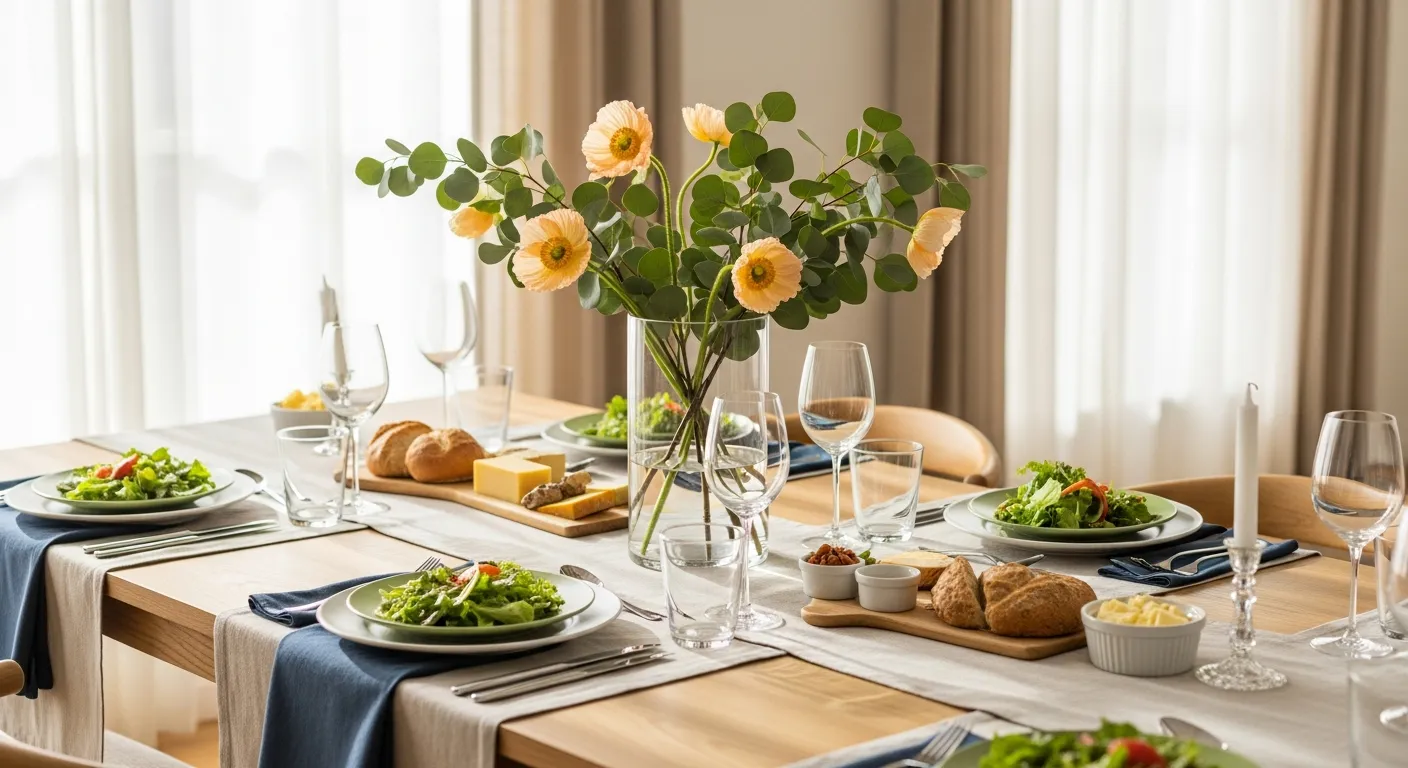
The first thing to keep in mind about tablescaping is to create a strong base. Depending on what you want the space to look like and the theme of the occasion. Here are some ways to do that -
Choose Your Linens
The first step is to choose your linens based on the season or occasion. During spring and summer, it is best to keep things lighter and airier. Whereas, during fall and winter, shift the tone and color of the fabric to something moody and heavier. Consider layering linens and patterns for extra coziness.
Create a Centerpiece
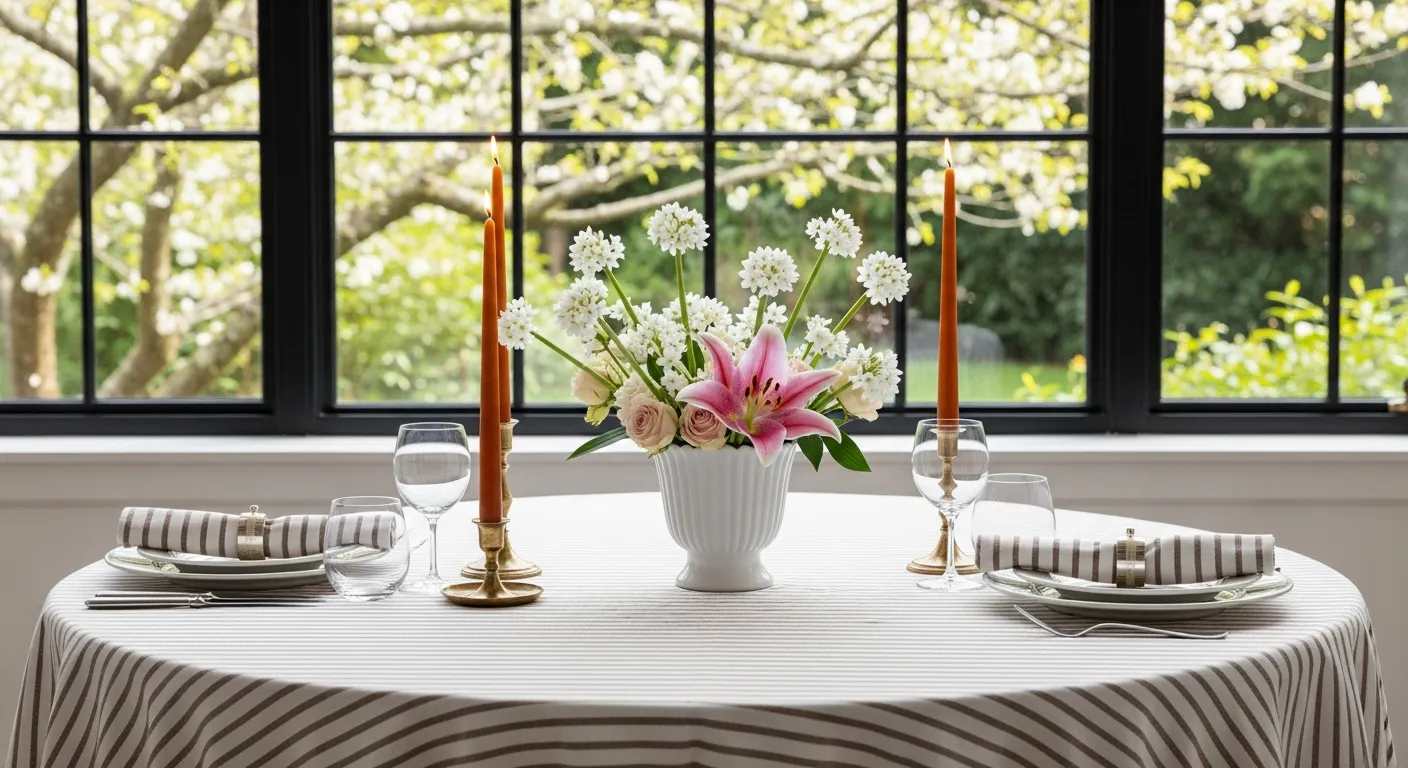
After you put the cloth in place, it is time to create a centerpiece that captures the guests' attention. When planning a centerpiece, keep three things in mind: height, texture, and lighting. Once you have them in place, build the centerpiece in levels -
- First is the foundation, which is the lowest base.
- Next is the middle base.
- Last is the highest base.
Using a structured approach can help make the setting look beautiful and move the guest’s eyes to the top layer, which is the actual beauty. To avoid blocking the view, either use slimmer pieces for height or place them where they won’t get in the way.
Decorate as Per the Layer
At the base, use simpler items, such as garlands for texture and a hint of color. Add smaller odds and ends like butter dishes, salt, and pepper shakers. For the middle layer, add a central element, such as a figurine or an artistic bowl. Plus, add some good lighting to create the ambiance you want. Finally, for the top level, add a tall yet slender vase and incorporate some seasonal flower arrangement.
Place Your Cutlery
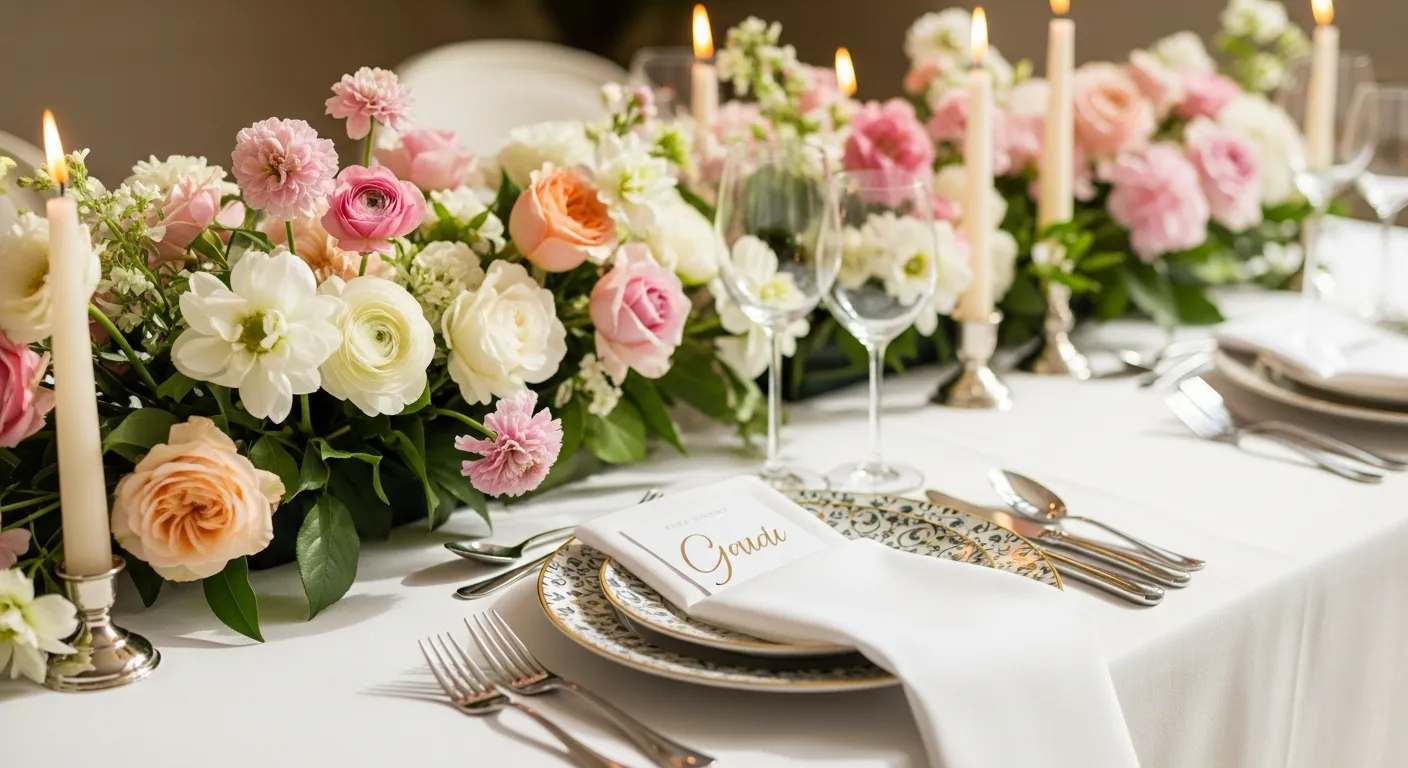
Once you complete the centerpiece, it's time to place your dishes and glasses. For a simple yet sophisticated layout, use a charger, a dinner plate, a small bowl, or a salad plate, depending on the menu. Play around with color and patterns to add dimension and interest.
If it is a casual gathering, simply fold the napkins and lay them flat on the side with the flatware on top. However, for a formal occasion, the napkins should be folded into knots or bow ties and kept on the plates in a decorative manner.
Choose Your Glassware
Include variety in the selection, but keep the number of glassware to three. This minimizes clutter and creates a well-styled look. Opt for wine glasses, cordial glasses, and water tumblers in various colors. This works as an accent if all the colors coordinate well with each other. For a personalized touch, place name and menu cards at each table.