If you are planning to transform the look of the space, you may look for someone who can help with this work. However, who is the right person to help? Interior designer and interior decorator? Both professionals have the desired capabilities to help you change the style of the home, but knowing about their exact work profiles is crucial. However, there’s a lack of clarity on their work, qualifications, etc. Both terms are often used interchangeably without realizing that they differ in many aspects. This blog highlights the key features of a designer and a decorator and their differences that can also help students planning to pursue a career in either of these streams.
Know About Interior Designers
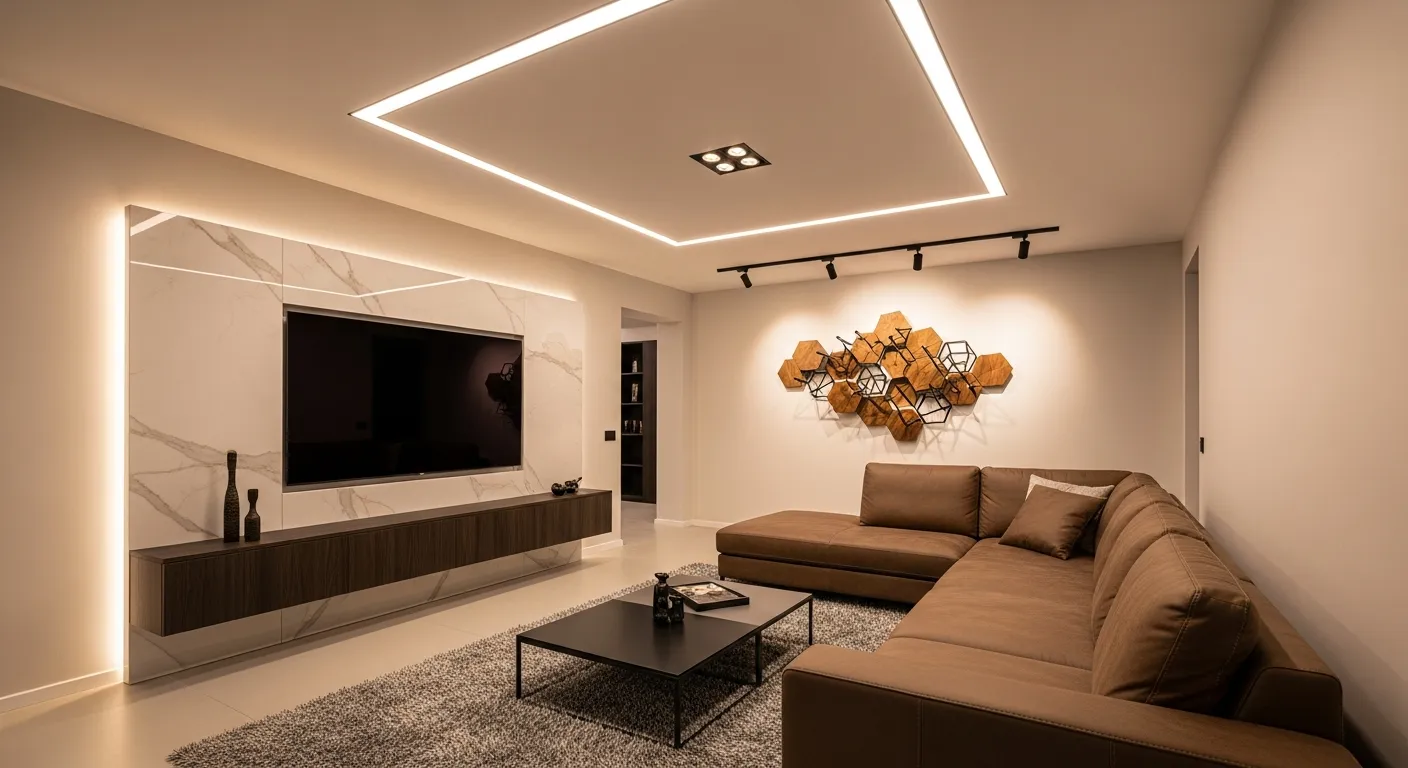
The primary work of an interior designer is to develop floor plans using design programs, but they also help create a functional, safe, and beautiful space. They achieve all these by working in close coordination with architects. Here is some additional information about them:
Specific Education
Interior designers possess formal training and specific education where they learn about fabric and color, computer-aided design (CAD), drawing, space planning, furniture designing, and architecture. Many of them apprentice with well-established and registered designers and then start their own company.
Get Registered With the Governing Council
In some states and provinces, it’s mandatory for professional interior designers to pass an exam and get themselves registered with a governing council. However, it’s not in all the states. If you are planning to start a career in interior design, verify if passing the exams and registering with the governing council is needed in your area or can be skipped.
Work of the Interior Designer
Their job includes planning, designing the initial floor plan, and renovating the interior. Designers actually improve the functionality of the space.
Professionals With Whom Interior Designers Work
Designers work for many clients to fulfill their distinct desires. These clients range from residential homeowners to commercial spaces like hotels or offices. The designers often work in close coordination with architects and contractors to fulfill the client's requirements.
Additional Information
- Familiarity With Building Codes- It’s mandatory for interior designers to have knowledge of the building codes and safety regulations governing construction and renovation. This is to ensure all the designs are in adherence with these codes.
- Well-versed With Software for Space Planning- Designers use software like AutoCAD, SketchUp, Revit, etc., to create the layout of the space. They also ensure that the designs are structurally sound.
- Knowledge of Technical Drawing- The designers prepare the floor plan and other details, which are executed by contractors and builders. Hence, designers should have proper knowledge of these technical drawings for better implementation.
- Knowledge of Products and Materials- The interior designers possess knowledge of materials and products to ensure the right product is used to meet the budget and style requirements.
Know About Interior Decorators
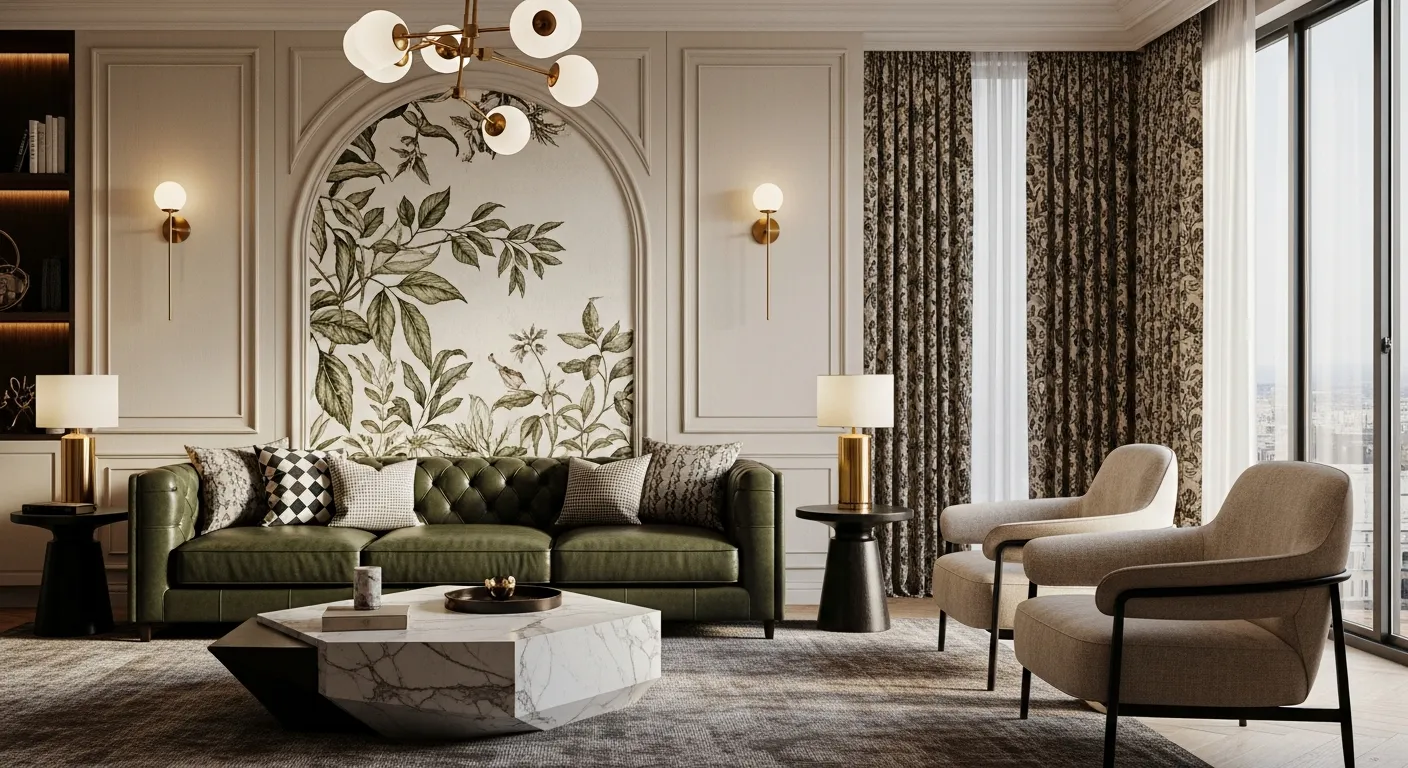
Interior decorators mainly focus on the aesthetics and visual appeal of the space, unlike interior designers. Their work includes selecting the furniture, fabrics, artwork, and many other tasks to achieve a cohesive look. Here is some additional information about decorators:
No Formal Degree
There’s no requirement for a formal education or training to become an interior decorator because their work involves more of aesthetic rather than structural planning. Decorators' work starts once the designer completes the task of planning and execution. However, if you have a relevant qualification and experience in the related field, it may add to your profile.
Credentials
There are many courses and programs available that give an insight into color, fabric, space layout, planning, and furniture styles. Organizations like C.I.D. (Certified Interior Decorators International) provides certification that authenticates the practice of interior decorators.
Work of the Interior Designer
Their work is to select the perfect decorative items, textiles, and accessories that can transform the overall appearance of the home and meet the client's expectations. In a nutshell, it can be said that decorators help clients in extending their visual shape to the home.
Professionals With Whom Interior Designers Work
Unlike designers, interior decorators don’t work with architects and contractors, but with homeowners and business managers. Decorators work closely with the furniture makers, upholsterers, and other professionals dealing in similar projects to satisfy their clients' expectations.
Additional Information
- The interior decorator should be able to identify any potential issues or opportunities.
- They need to have an eye for detailing to understand the requirements of the client.
- They should be able to help clients select the right drapes, beddings, or anything related to decor.
- They should be able to meet the budget and timeline expectations of the client.
Interior Designer vs. Interior Decorator in a Nutshell
| Criterion | Interior Designer | Interior Decorator |
| Education | They should have a specific degree. | No need of a specific degree. |
| Whom to meet for proper implementation of the work | They meet architects and contractors. | They meet the clients. |
| Type of work | They prepare the technical drawing of the layout and other specifications. | Their work is to help clients choose the appropriate furnishings and other decor related items. |
| Cost | They charge hourly for their services. Their charges are higher. | Their charges are less compared to the designers. |
The Cost Difference of Working With an Interior Designer and an Interior Decorator
There’s a cost difference between working with interior designers and interior decorators. The interior designers bill their clients at a higher hourly rate because designing takes more time and effort. The average cost of an interior designer ranges between $ 5,400 to $ 11,200 per room, excluding the cost of furnishing.
The average cost of an interior decorator ranges between $ 2500 to $ 6250 per room, excluding the cost of furniture. Decorators charge less because they don’t have to coordinate with contractors, which saves their time, and hence the cost goes down.
Whom Should You Hire: A Designer or a Decorator?
The decision to hire a designer or a decorator entirely depends on the need. Hire a designer if there's a requirement for structural changes, such as dismantling a wall, changing plumbing or wiring, or adding a door or a window. This is because designers help execute the work in close coordination with contractors and architects.
On the other hand, hire a decorator if you wish to achieve a certain level of aesthetic by selecting wallpaper, furnishings, paint, lighting, window treatment, or any other accessories. Decorators can help transform the space as per your needs.
The aim should be to go for the best professional not only in terms of their educational qualification, but also in terms of their on-the-job experience. There are designers who do more work than any decorator despite possessing the degree of a designer. Whereas, you may come across decorators who work efficiently just like a designer through their long experience.
Conclusion
If you are planning to pursue a career in the field of interior designing or decoration, and are searching for detailed information. Or, if you want to transform your home and don’t know whether to hire an interior designer or decorator, this blog will help. The key differences in their work, cost, and educational qualifications mentioned in this blog can help reach the right decision.