


Getting disqualified from renting an apartment can be an awful experience. This means you lose out on your dream apartment, and your application fees as well. Screening tenants means more than just going through the application, as a lot goes when looking at the factors to establish credibility. One such element is an individual's criminal history - minor or major. Hence, it becomes important to understand the charges that can stop you from getting an apartment.
This blog discusses several criterias that might lead to disqualification, ensuring you’re properly prepared for finding the best apartment.
What Are the Types of Charges That May Affect Approval?
Here are the types of charges that reduces the chance of approval -
- Violent Crimes: Individuals with crime records, such as assault, robbery, etc.
- Property Crimes: Burglary, vandalism, and arson.
- Drug-Related Cases: Drug manufacturing or distribution.
- Sex Offense: There are strict rules for people on sex offender lists. They have a hard time finding good housing.
7 Charges That Can Stop You From Getting an Apartment
Certain criminal charges can create a barrier when looking for a decent apartment, as they are usually considered as signs of risk to property or to other residents. Here are a few charges that may cause hindrance -
Low Credit Score
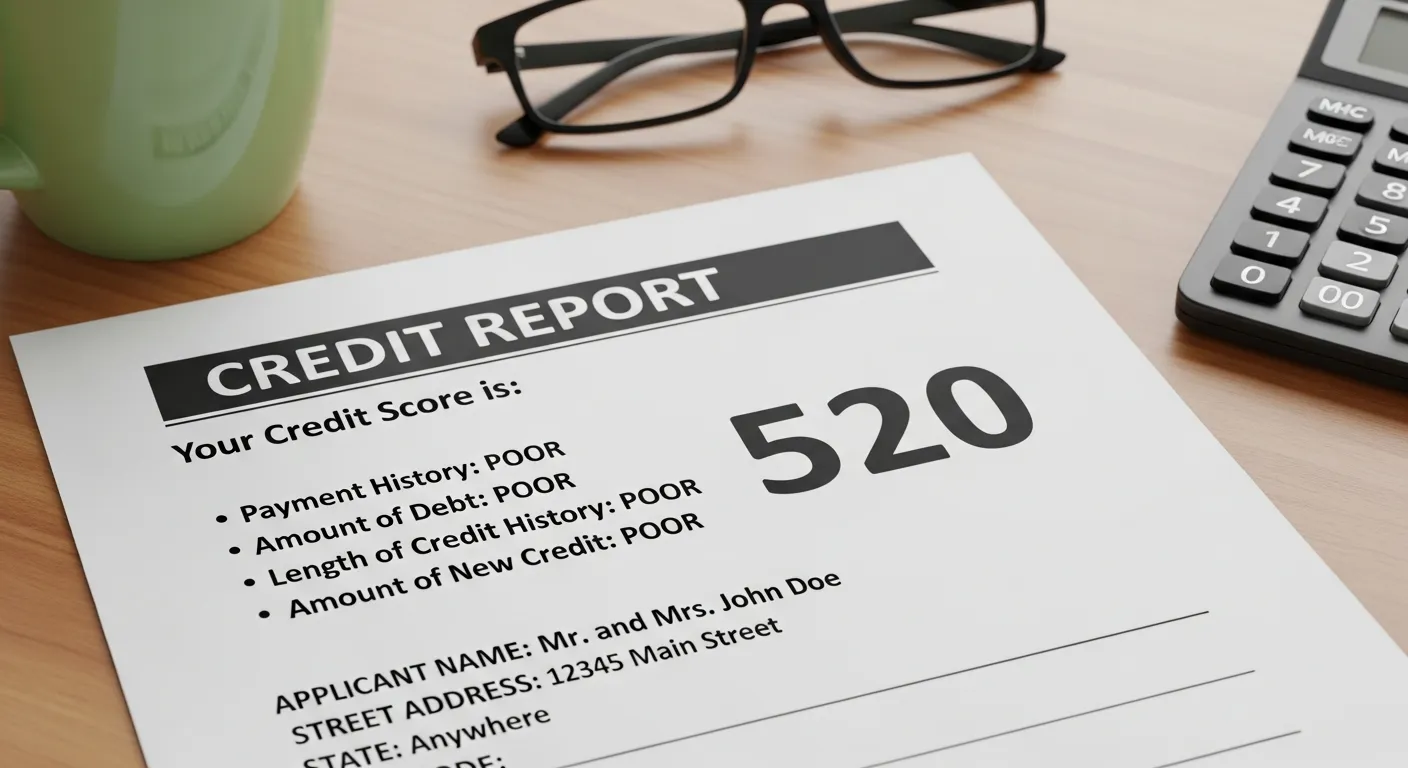
A credit score below 600 can raise a concern among landlords and property managers. Credit scores are mostly negatively affected by defaults, bankruptcies, late payments, and high credit card balances. Low credit scores can indicate financial instability, meaning the tenants may struggle to pay the rent. Based on this, the application might get rejected. It is advised to review your credit scores regularly, and improve the low scores before application.
Outstanding Debt
Huge outstanding debt, such as collections, judgments, and unpaid loans, are red flags for landlords. This is a sign that the applicant may not be able to meet the financial obligations, which also includes timely rent payments. In addition, if the applicant has a high debt level, they may also not be considered an ideal candidate. So, it is mandatory to manage the debts effectively and pay down the outstanding balance.
False or Incomplete Information Provided
If an individual provides false or incomplete information, it can result in immediate denial. Before proceeding, the landlords and the property owners check and assess each information thoroughly. If they find any omission or dishonesty, they disqualify the application on spot. Hence, it is advised to be truthful about everything, including your income, rental history, phone numbers, emails, etc.
Unreliable References
It is quite a normal practice where landlords often ask for references when you apply for an apartment. The references help understand your dependability and characters. If the references that you provide are not reliable, or if the previous landlords mentions incidents that involve property damage, unpaid rent, etc., the application might get rejected immediately.
To ensure that the reference can say good things about you, consider the following -
- Clear out any outstanding rent.
- Consider a reference who knows you and can say positive things about you.
- Offer a guarantor or a co-signer, who can vouch for you.
- Write a letter explaining your commitment to responsible tenancy.
- Present proof of income and be flexible with the lease terms.
- Also seek legal help or advice if required.
Eviction History
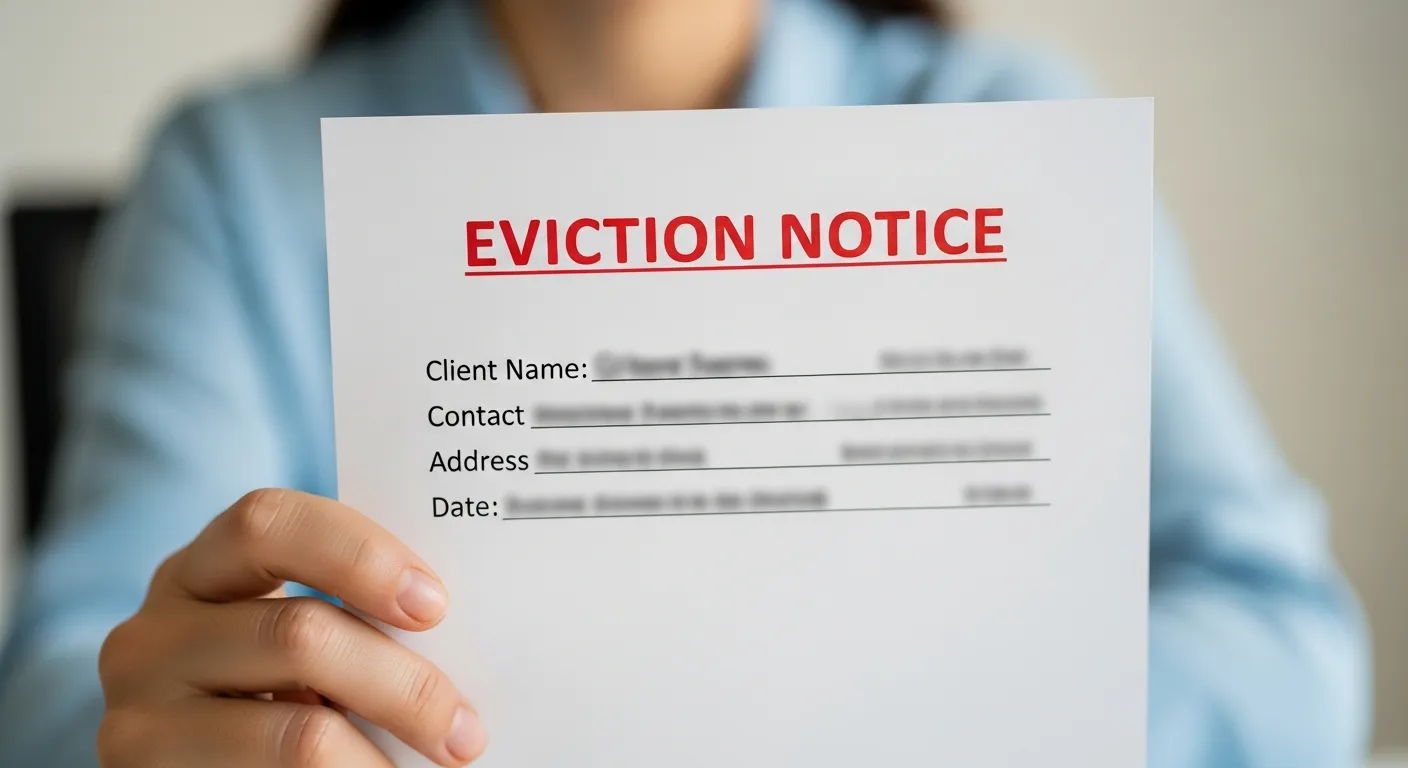
If you have a rental eviction history, it may impact the application and reduce the chance of securing an apartment. While reviewing the applications, landlords often check if you’ve ever received an eviction notice. Eviction notice raises questions about the ability to adhere to the lease agreements, which may cause the application to deny.
If you ever have an eviction on your rental history, make it clear to the landlord. This way you have scope to explain the reasons, which might include medical issues, job loss, unexpected circumstances, etc. This explains that the eviction was not a reflection of your overall character, but was situational. Here, a few good words from previous landlords can also be helpful.
Bankruptcy Filing
Bankruptcy can affect your chance of getting approval for an apartment. It is a legal process where an individual declares that they are unable to pay their debts and want to seek relief from their financial obligations. This act can disturb your credit report for at least 10 years, depending on the type of bankruptcy.
No matter if your credit score goes up, bankruptcy in your record can lead to rejection of the application. However, with time, as you start paying the debts within the deadline, your chance of getting an approval increases.
Smoking
Some housing complexes or apartments have a NO-SMOKING policy. So, if you have a habit of smoking or have a history of smoke-related incidents, there are high chances your application will be denied. This rule is mostly emphasized to maintain a healthy living culture and prevent any conflicts that may be caused due to smoking.
Even if you are a smoker, be truthful about it when applying, to prevent any nuisance afterwards. If you are ready to give up smoking, explain the situation, and also tell them that you understand and respect the policy, and will commit to abide by the rules. If you’re not quitting to smoke any time sooner, you can also discuss if there’s any designated area where smoking is permitted. You can attach some references from previous landlords who can confirm your ability to adhere to the rules.
How to Overcome Past Charges?
To overcome the past charges, you either need to be transparent about everything or you can work on enhancing the application. Here are some strategies that can help you strengthen your application for an apartment -
- Get your criminal background check and tell the landlord about any records. This shows the nature of transparency. Collect your credit report, letters of recommendation, proof of income, etc.
- Discuss any concerns about your background with the potential landlords. You can consider writing an application to do so.
- You can also seek legal help, where the attorney can talk to the landlord about the change in circumstances or negotiate the terms that would allow for tenancy.
Conclusion
Renting an apartment is not an easy thing, as you have to make sure your records are straight. Even if you do have some negative impact on your criminal history, credit record, or debts, you can consider talking to the landlord about it and explain the change in situation. For this, you can also take help from a legal representative.