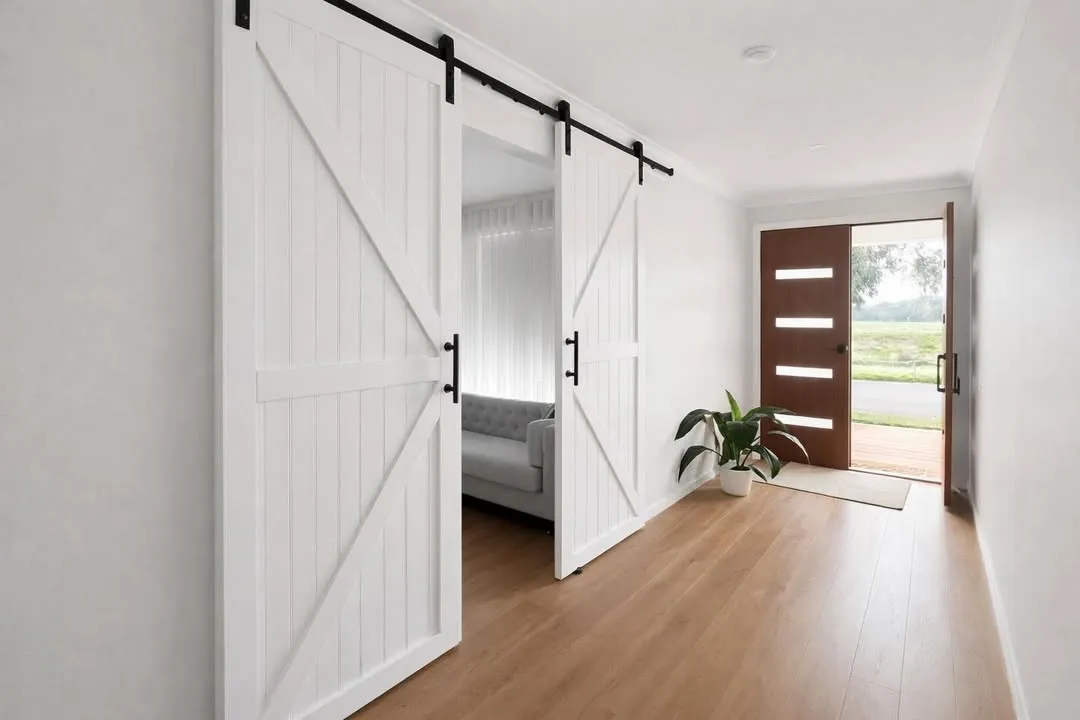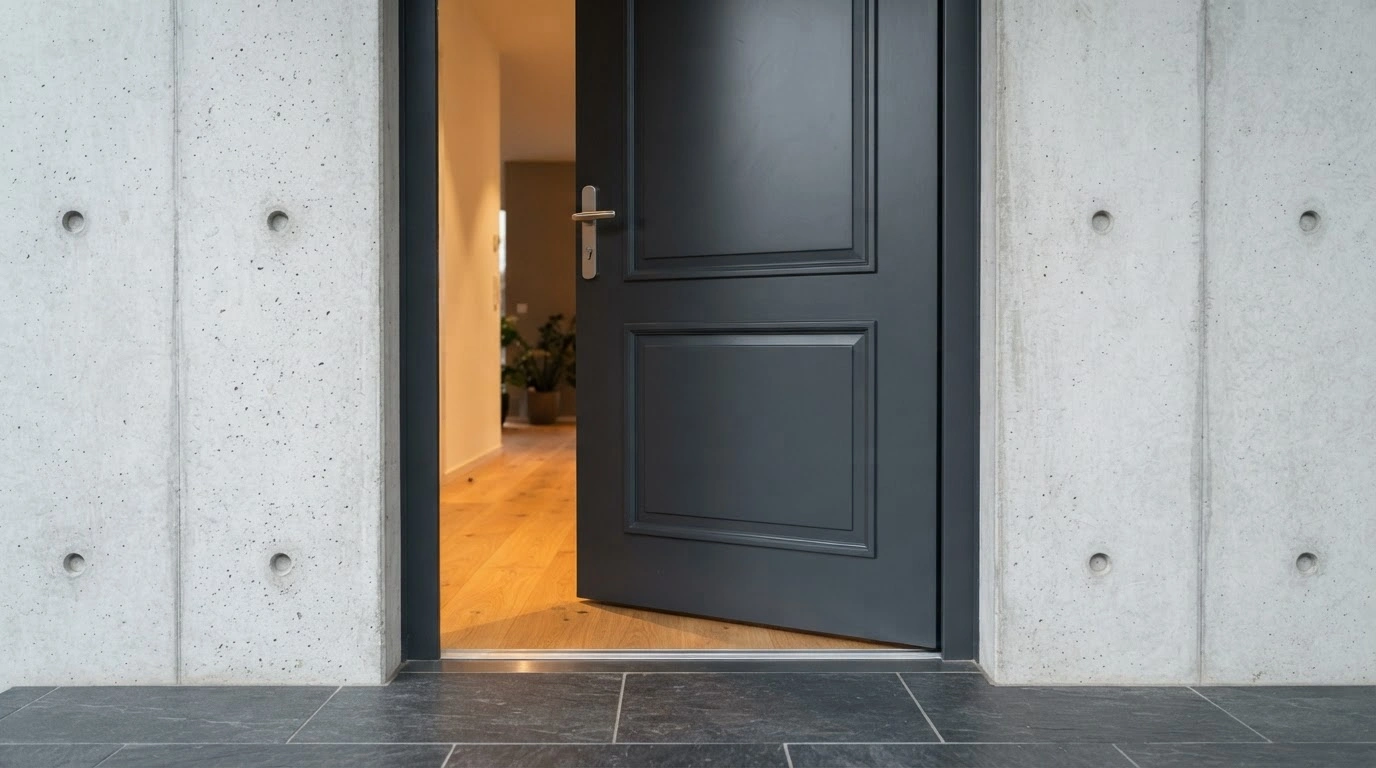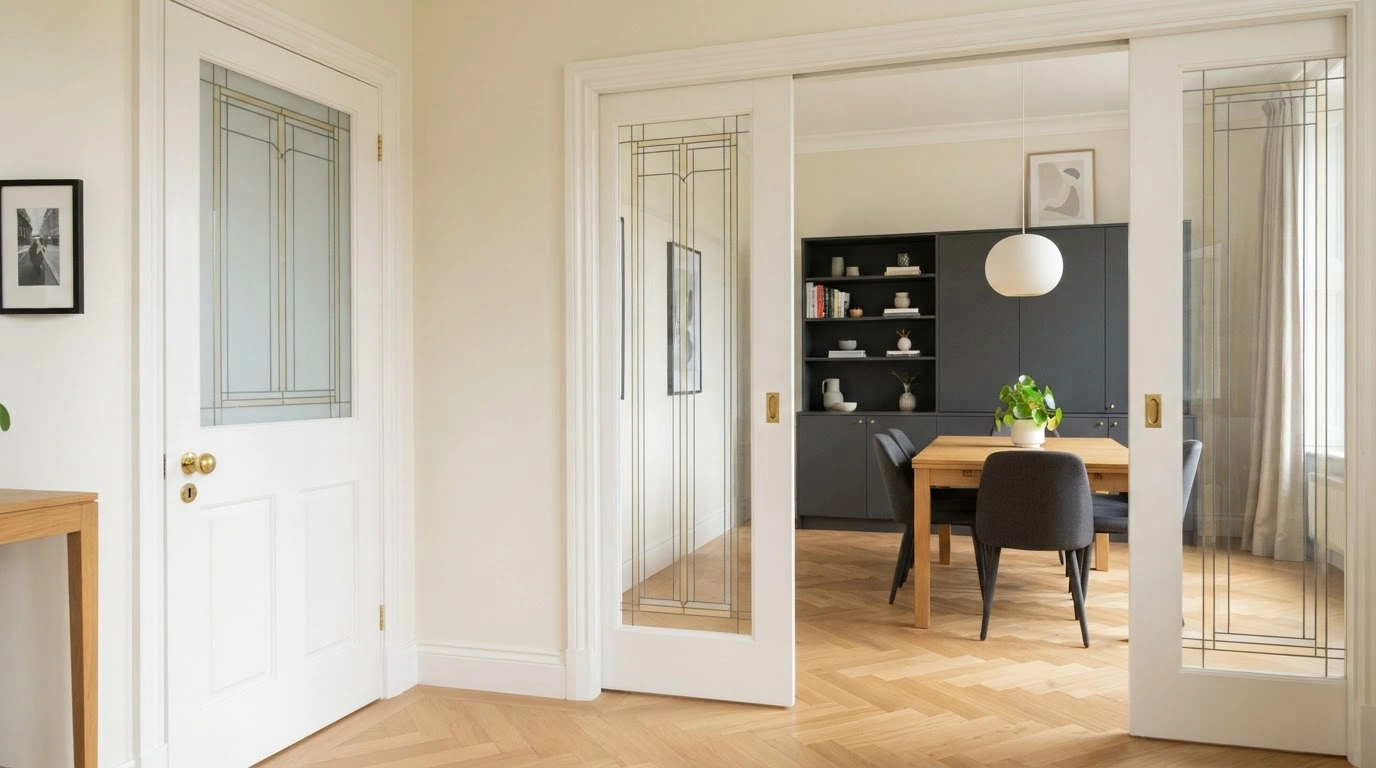


When adding a new doorway or replacing an old one, certain measurements need to be kept in mind from the start. Door frame sizing follows certain established standards, and working within those standards from the beginning prevents homeowners from spending more money on rework.
It is crucial to adhere to standard measurements rather than relying on guesswork. Among all the measurements involved in installing a new door frame, width is one of the most critical factors to get right. This article explains the standard width of a door frame, which helps ensure a smooth installation.
Why Are Door Sizes Standardized?
When building homes, doors are often fitted into openings that conform to established dimensions. Unless the property has a unique layout, custom doors are rarely necessary. Standard door-opening widths make the replacement process hassle-free and manufacturing more cost-effective.
Standardization also keeps costs lower for both homeowners and manufacturers, as doors are produced at scale rather than made to order. Door sizes may vary in older homes or custom-built properties. This complicates the replacement process and adds unexpected costs. However, in most cases, working within standard door widths helps homeowners avoid these complications from the start.
What is the Standard Door Width?
There are two sets of standards for standard door widths: exterior and interior doors. Below are the sizes for both door categories.
Standard Door Width for Exterior Doors
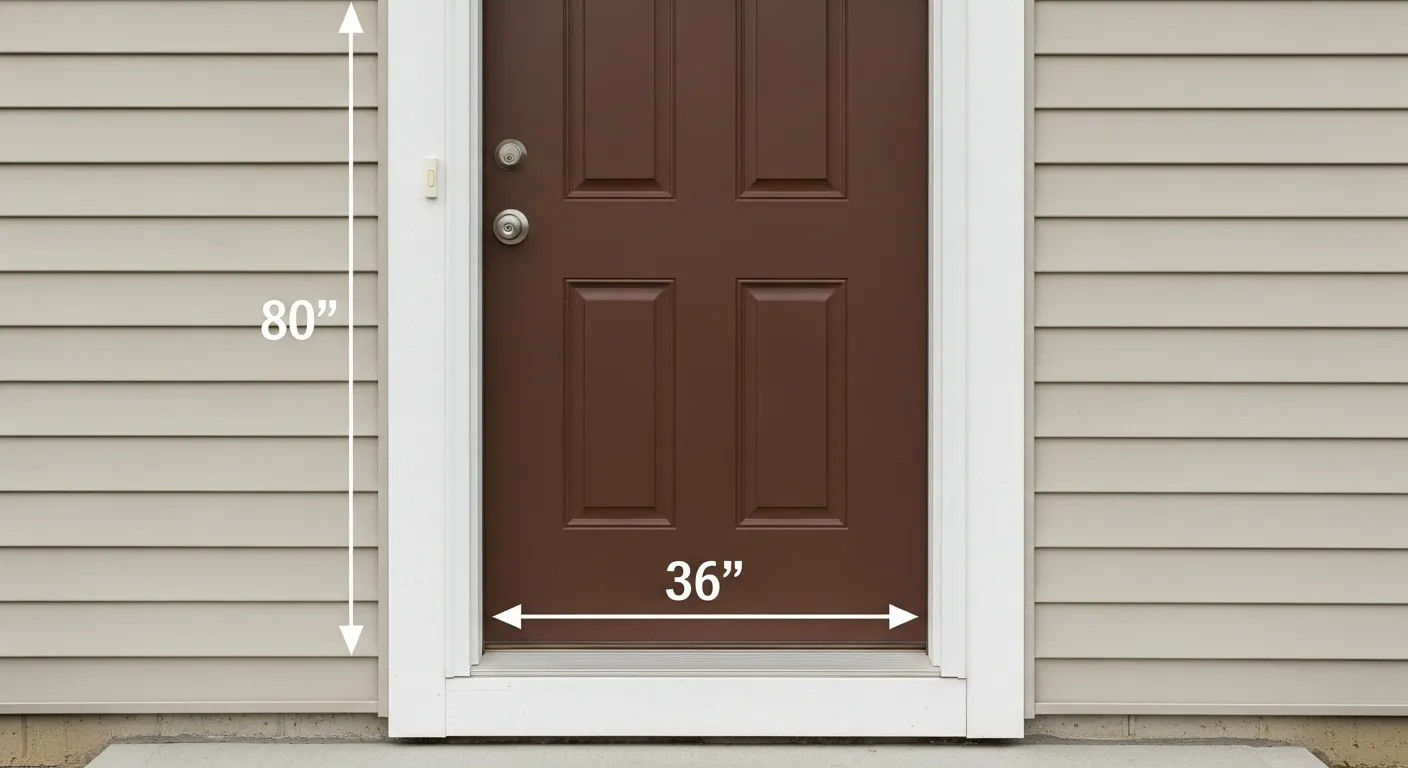
The International Residential Code requires the main entry door of a home to be at least 36 inches wide and 80 inches tall. There is no specific code for exterior doors that are not used as the main entry doors. However, keeping the 36-inch figure in mind is still a useful reference.
For secondary exterior doors, any width can technically be purchased and installed. However, lumber yards stock the most common sizes in large quantities, which often results in better pricing. The most widely available exterior door widths are 28, 30, and 32 inches.
Standard Door Width for Interior Doors
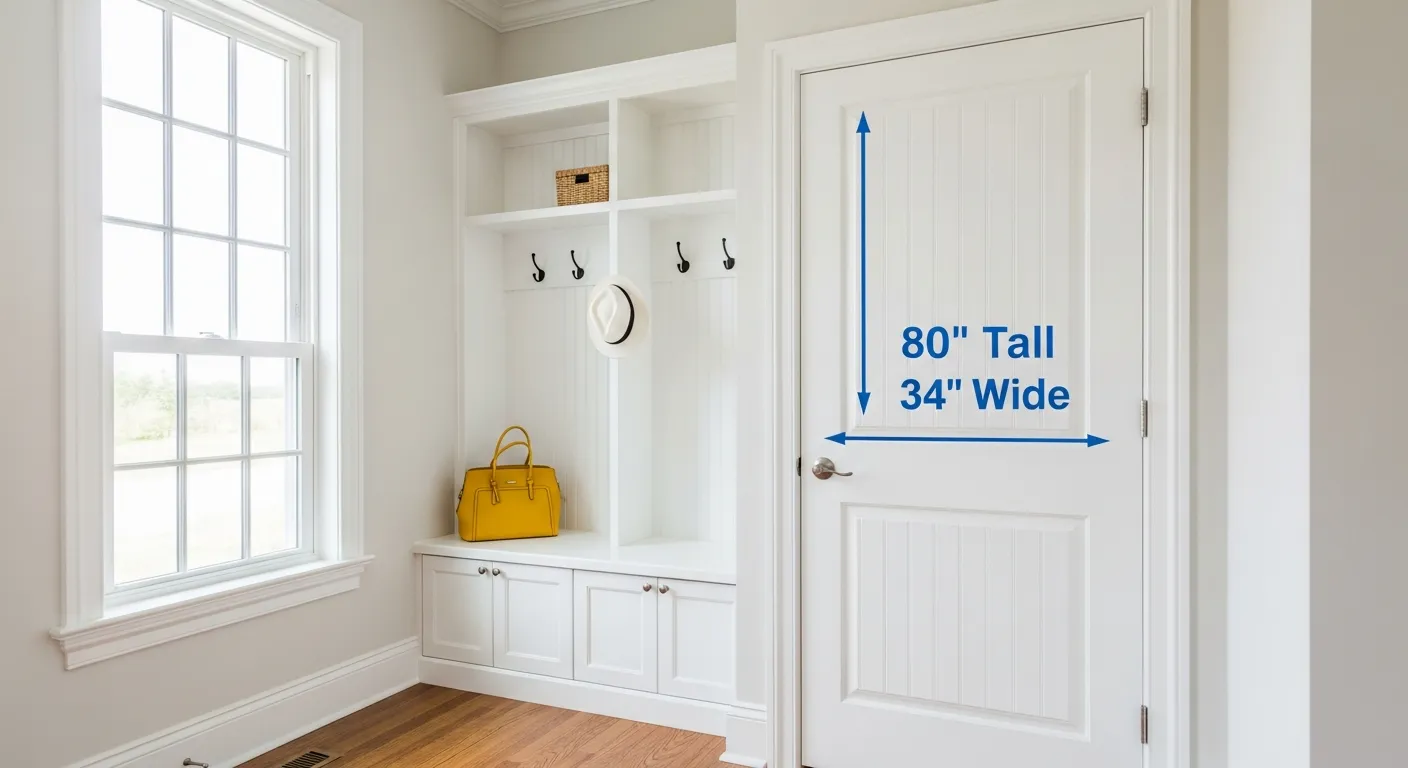
Interior doors generally follow a standard width of 34 inches. This applies to bedroom, bathroom, and hallway doors. A practical way to think about this measurement is to consider whether two people could reasonably pass through the door at the same time.
It is also important to consider if furniture such as chairs, sofas, mattresses, and other appliances could be moved through without difficulty. These dimensions are best suited for both home and office spaces. An exception to this is often the half-bath doorway. A half-bath door usually measures between 25 and 30 inches wide, depending on the style of door chosen.
What is the Standard Door Width for Wheelchair Access?
The Americans with Disabilities Act sets the door standard width at a minimum of 36 inches for homes that require wheelchair accessibility. The ADA standard in feet would be 3 feet. This makes sure that the doorways are wide enough for a standard wheelchair to pass through without any hassle for the user. This does not cause any damage to the frame or surrounding trim.
For homeowners, considering a renovation with accessibility in mind, it is worth evaluating all main doorways. This is crucial, especially in high-traffic areas such as kitchens, bathrooms, and entryways. If the existing doors in the home are narrower than the recommended width, it is best to widen them during renovation. This makes the space more functional and inclusive.
Types of Doors and Their Width
The type of door being installed also plays a role in determining the width. Below are two common door types and their width.
Sliding Glass Door

Standard width for a sliding door is 72 inches, or 6 feet. This standard width can hold two glass panels, one fixed and the other that slides open. For larger openings, sliding doors can extend 96 inches or beyond. This works well for spaces designed to create a smooth transition between indoor and outdoor areas. For narrower spaces, homeowners can choose doors that are 60 inches wide.
French Doors

French doors follow the same general exterior door standards in terms of width. Stock options are most commonly available in 30 and 32-inch widths per panel. Some manufacturers offer individual panel widths ranging from 24 inches to 42 inches.
How to Measure Door Frame Width?
Doors are not always perfectly aligned, which could be a problem, especially in older homes. To get an accurate measurement, the width should be taken at three points: the top, the middle, and the bottom of the opening. Once all the measurements are recorded, the smallest of the three should be used as a guide. This will help the door fit properly in the opening.
Conclusion
Measuring the width of the door frame is not complicated, but it does require attention to get the correct numbers. Whether replacing an existing door or framing a new one, it is best to work with standard measurements. This reduces costs and helps prevent mistakes. Accurate measurements from the start make the process of installation much smoother.