

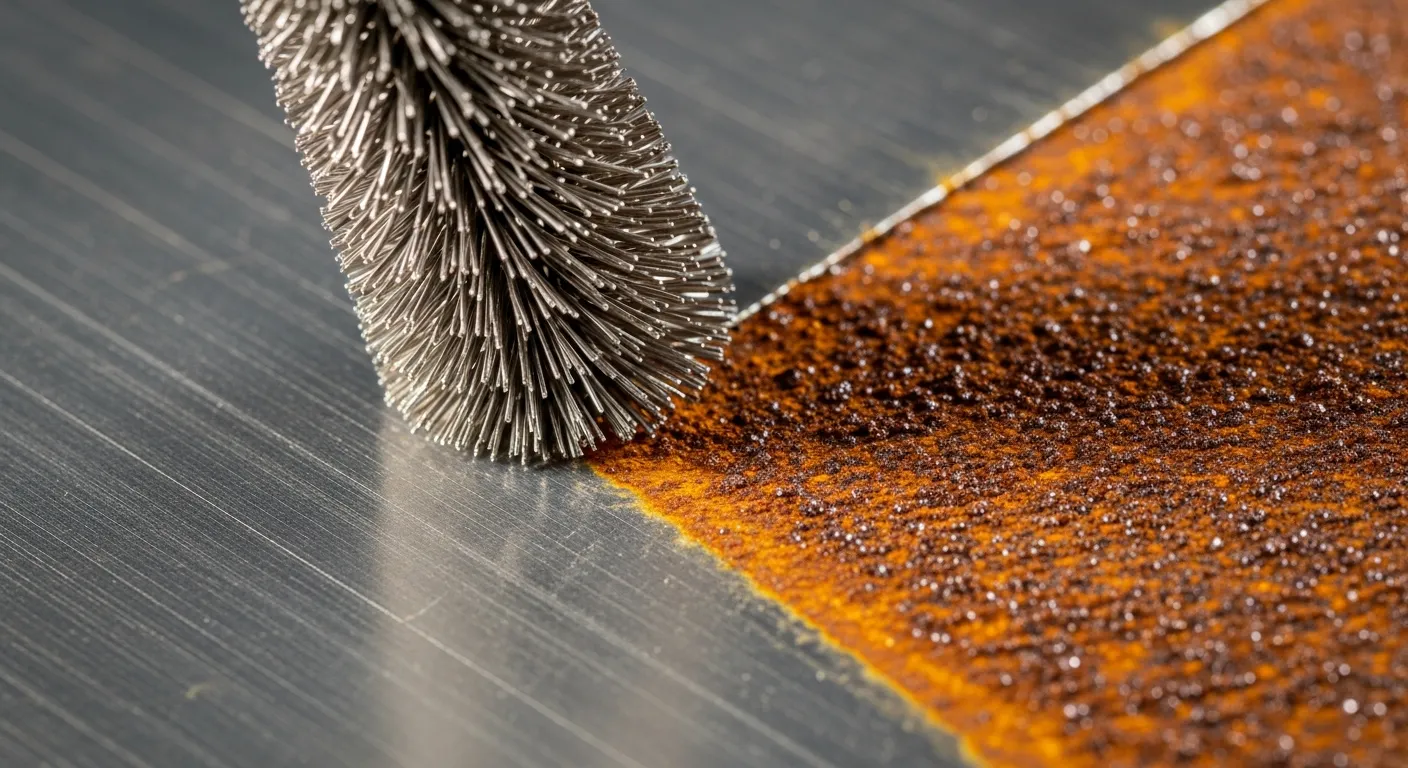
Despite being strong and durable, any metal surface can rust over time if not properly cared for. For several reasons, exposure to moisture or air can cause corrosion, ruining the external appearance of any metal item. However, a small rust shouldn’t be a reason to throw away the entire object. Using the right method, one can easily remove rust from metal and restore its original appearance.
This blog is about different easy methods to help you remove rust from your metal items.
Most Effective Chemical for Rust Removal
Chemical rust removal is one of the most popular and effective ways of reviving the shine and finish of metal tools and surfaces. Among several other options, citric acid and oxalic acid are among the most commonly used chemical rust-removal options. These solutions are known for effectively breaking down rust.
Citric Acid
Citric acid usually comes in powder form, which should be mixed with water before use for effective results. Place the rusty tools in a large container filled with the citric acid solution, ensuring they are fully submerged. Once poured completely, cover the container and leave it overnight to ensure the citric acid solution effectively breaks down the rust. In the morning, simply dry and clean the tools, and check if the solution worked. If there’s still some rust left, scrub it gently to get the remaining rust off before rinsing.
Oxalic Acid
If you want a chemical solution that shows instant results and does not require overnight waiting, oxalic acid is the right option. Choose a container that fits your tools comfortably, pour the oxalic acid mixed with water into it, and let it soak for about 20 minutes.
When using oxalic acid, wear gloves, a mask, and safety goggles, as it is highly corrosive and can cause injury if not used carefully. After 20 minutes, take out the tools and rinse them thoroughly to see the results.
| Note: It is also very important to conduct the activity safely and follow proper precautions when using chemicals. After using the chemicals, make sure to follow the disposal instructions mentioned on the product. |
Remove Rust Using Wire Brushes
It is suggested to use a handheld wire brush if rust appears on a large object that can’t be soaked overnight in a container. There are different types of wire brushes available in the market, designed for specific metals.
For example:
- A brass wire brush is suitable for cleaning rust from any type of metal surface.
- A carbon-steel wire brush is ideal for removing rust from iron and carbon-steel tools.
- Stainless steel wire brushes are perfect for cleaning rust from aluminum, copper, brass, and stainless steel surfaces.
Using a wire brush requires more physical effort than using chemicals; nonetheless, it is equally effective.
Effective Home Remedies for Removing Rust From Metal
Raw Potato and Dish Wash
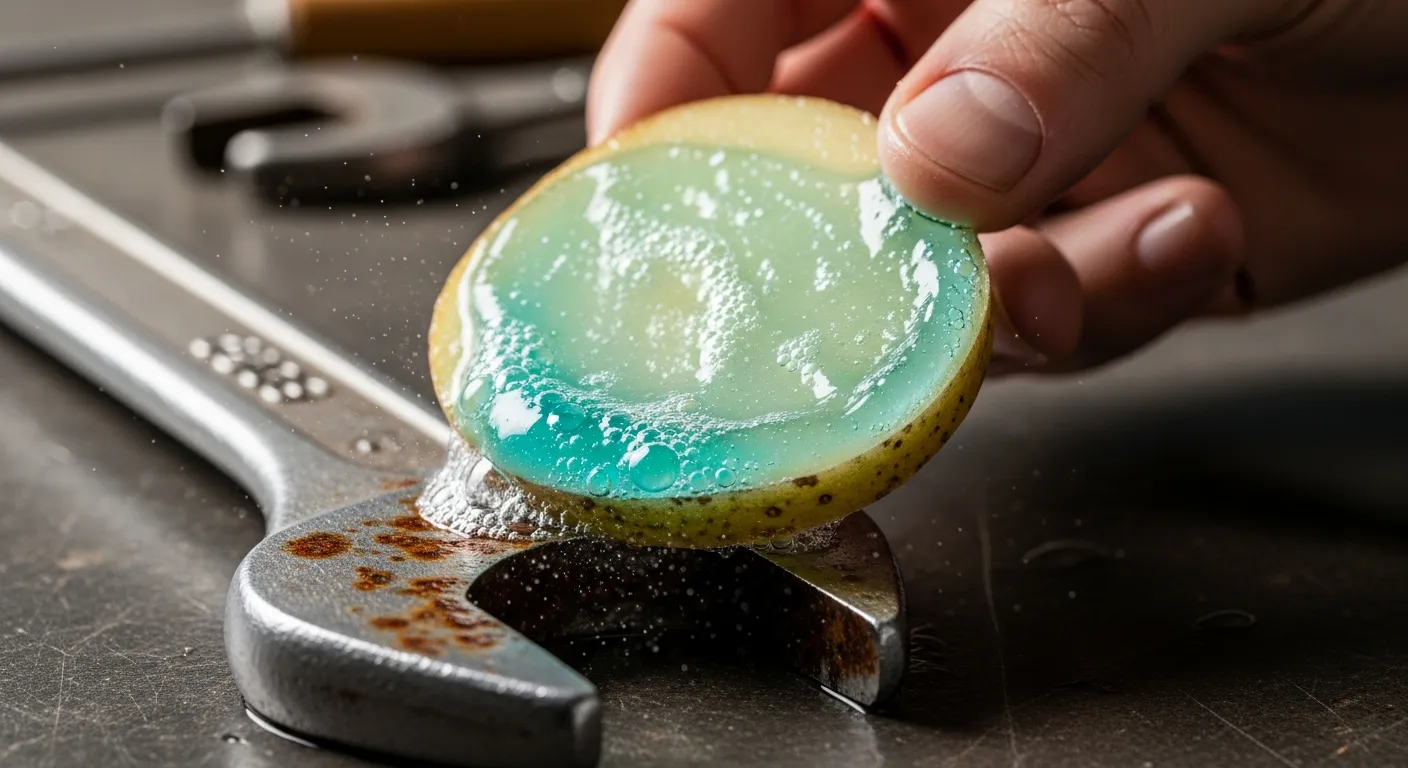
- Using a raw potato with dish soap is one of the most natural ways of cleaning rust off metal tools and surfaces.
- Apply the liquid dish soap on half a slice of potato and use it as a scrubbing pad.
- Gently rub the potato slice over the rusty surface to ensure the natural acids lift the rust away.
- This remedy is effective for removing small rust spots and gives quick results.
Lemon and Salt
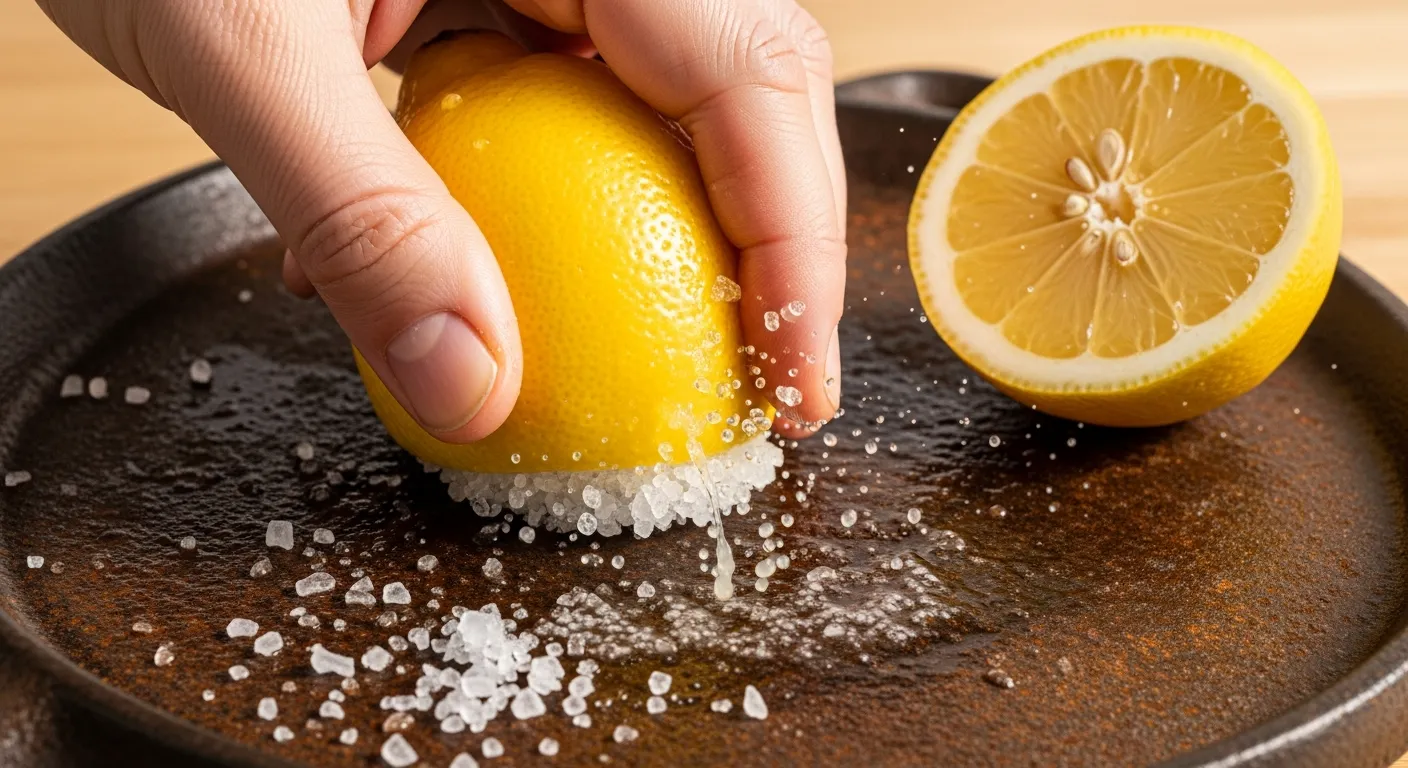
Lemon and salt are another easy home remedy used by many homeowners to remove rust.
- Cover the rusted surface with a layer of salt, then squeeze lemon juice over it.
- Let it rest for 30 minutes.
- Once the rust starts to break down, scrub the surface with lemon rind to completely remove it.
- Repeat the process twice if some rust remains after the first wash.
- End the process by rinsing with water and drying properly.
Vinegar Bath
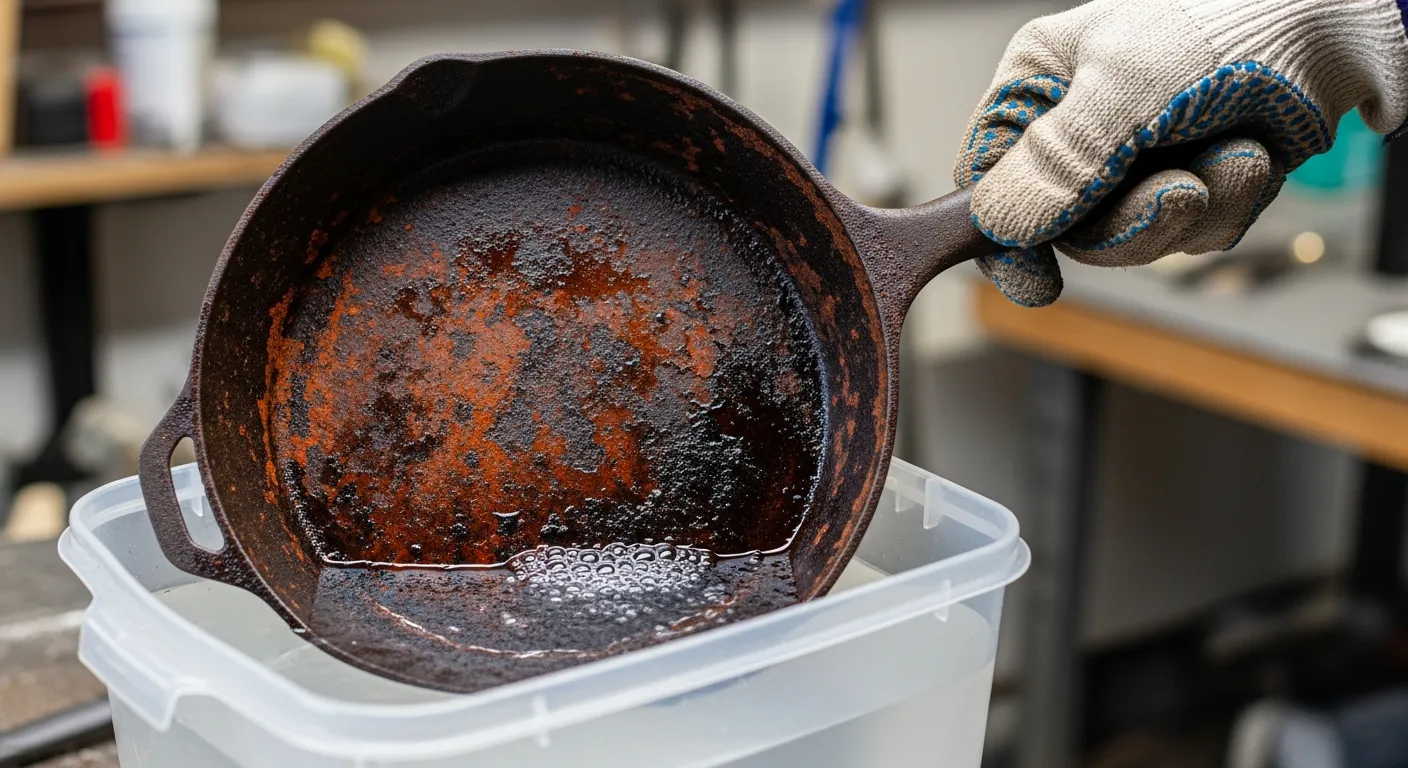
- To use vinegar for rust removal, effectively place your rusted item in a container.
- Let it soak overnight.
- In the morning, gently scrub away the loose rust using a metal brush or steel wool.
- If the object is too large to submerge, use a vinegar-soaked cloth rag and wrap it completely around the affected area for better results.
- If stubborn rust persists, you may need to repeat this method.
Baking Soda
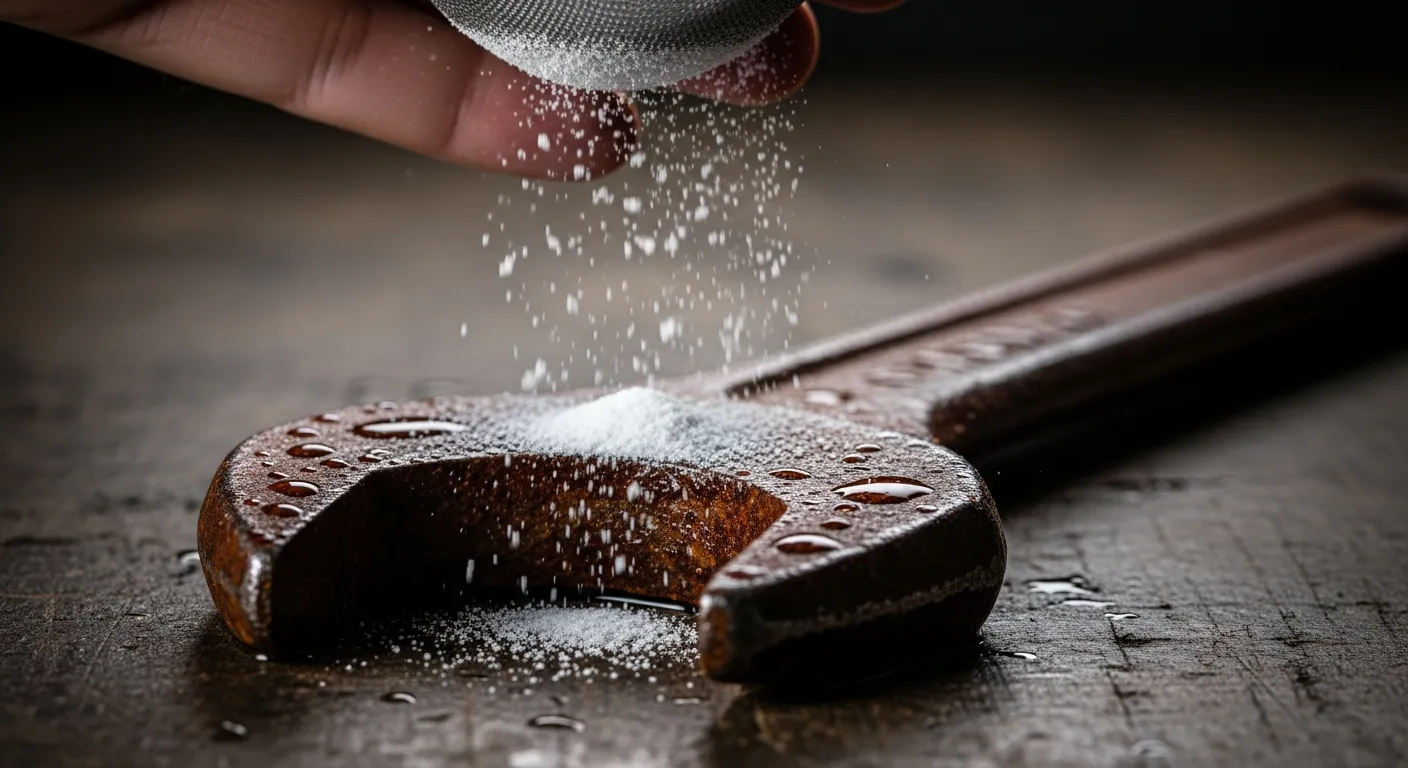
- Baking soda is one of the most commonly used budget-friendly home remedies for removing rust from metal surfaces.
- Use this by rinsing the metal item with water and shaking it slowly.
- While it's still damp, sprinkle baking soda over the rusted areas completely .
- Let the baking soda drops sit there for an hour to ensure the rust comes out.
- Later, scrub the metal surface with a wool, metal brush, or scouring pad for pans to remove loose rust.
- Finally, thoroughly clean the metal surface with water and dry it with a towel.
Diesel
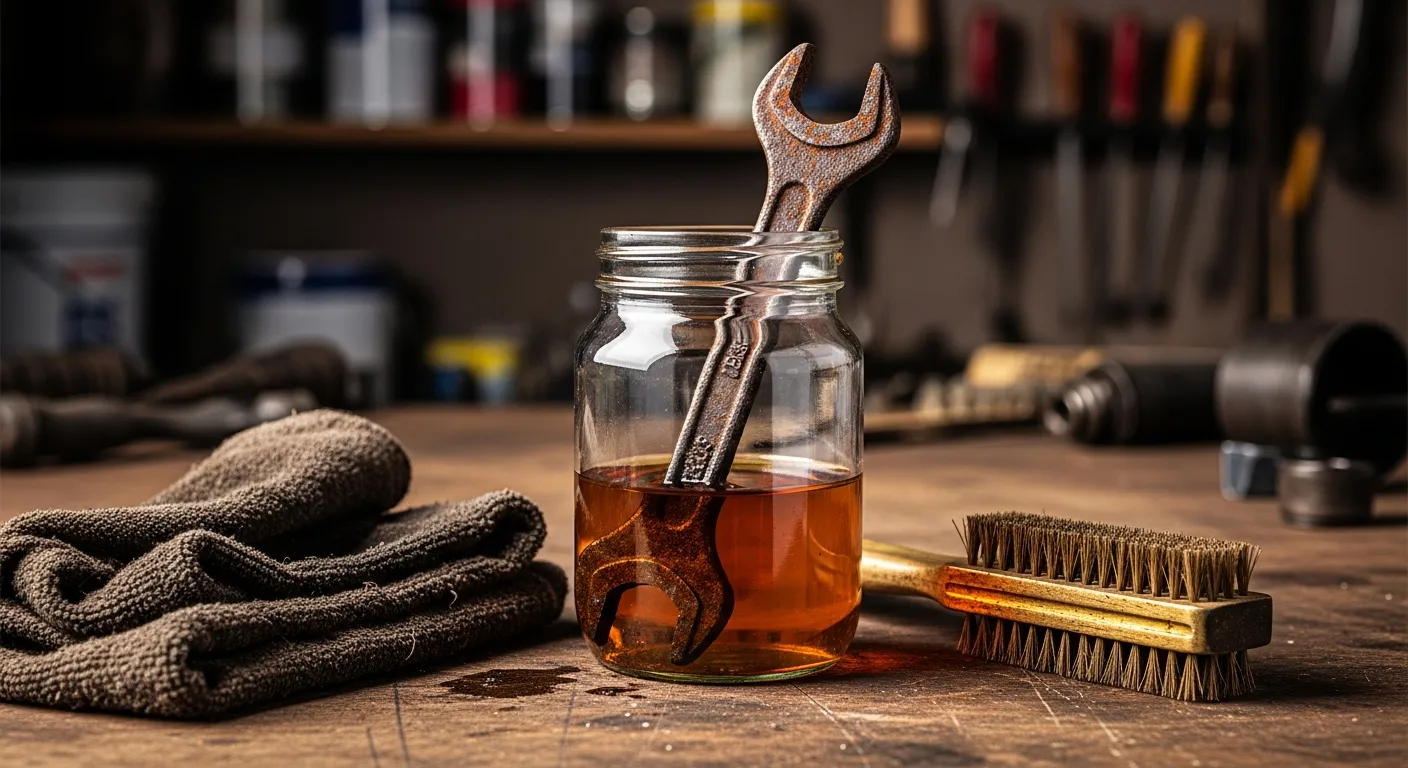
Diesel is yet another effective way to remove rust from the metal. All you have to do is soak the tool in diesel for around 24 hours, then clean it using a brass brush. Finally, wipe the tool’s surface with an old rug.
Conclusion
Regular maintenance of metal items can substantially increase their lifespan and performance. Nonetheless, it is crucial to choose the right cleaning method based on the metal's size, type, and condition to achieve better results. Timely care and attention of your metal items will preserve their functionality and look for years.


