
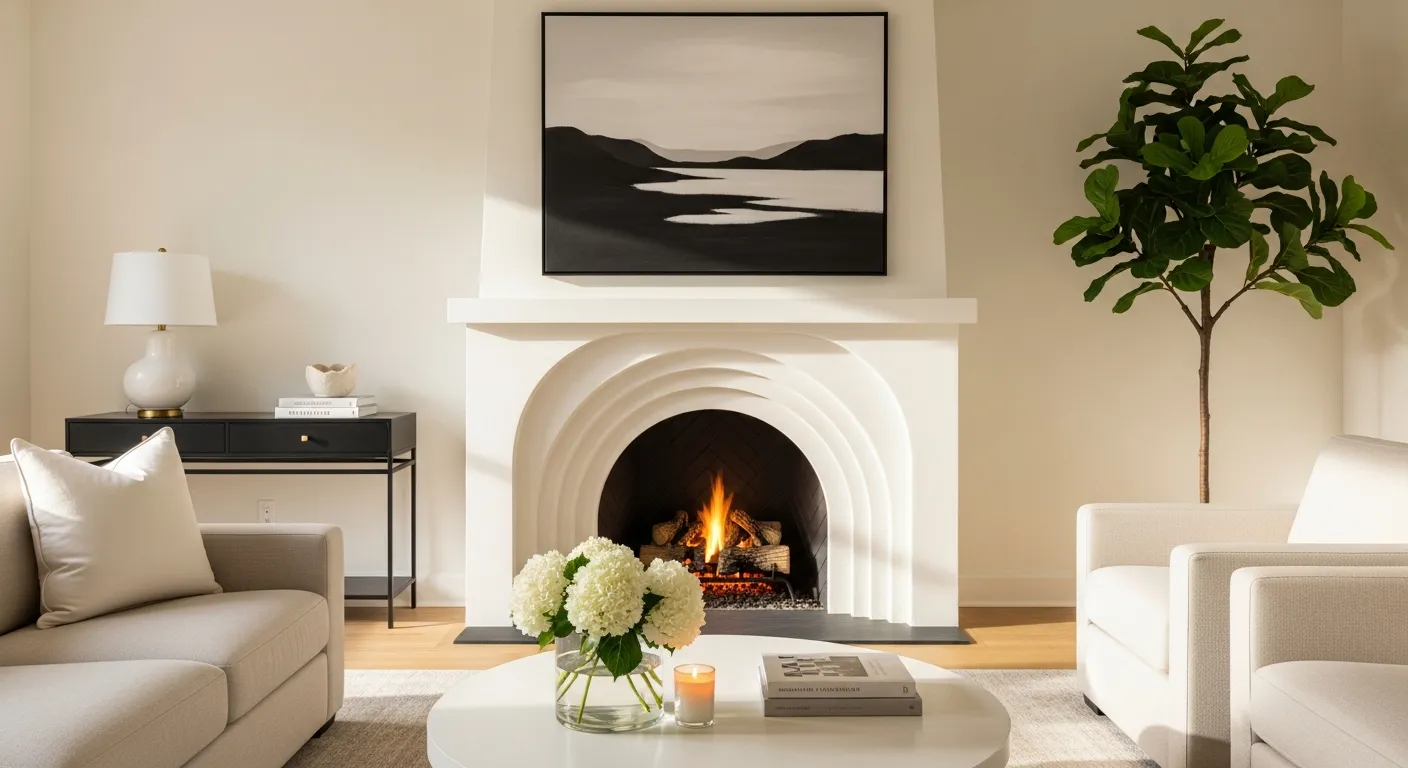
A fireplace is the focal point of your living room. But due to consistent heating and occasional sparks, especially during winter, the area around it fades and wears out. This is usually caused by the fact that regular paints cannot survive the extreme conditions. That’s why it is important to choose the right coating, like heat-resistant paint.
Most homeowners prefer heat-resistant paint for fireplaces to keep them looking fresh and new for years. It handles the temperature well and can prevent issues like peeling, cracking, and discoloration. This blog will discuss heat-resistant paint and explain in detail how to paint the fireplace.
What is a Heat-Resistant Paint for a Fireplace?
Heat-resistant paint is a durable coating that lasts for a long time, even when exposed to extreme temperatures from gas or wood-burning flames. Most heat-resistant paint contains silicone and ceramic ingredients that help it maintain its integrity as temperatures rise. Some paints can withstand temperatures above 600 degrees Celsius, making them a perfect choice for areas around the fireplace.
Over time, heat can damage paint on metal, brick, masonry, or stone surfaces, as well as fireboxes, mantels, and surrounding walls. It can also weaken the usual paint. This paint protects the area around the fireplace while reducing the risk of rusting (on metal) and surface damage.
The heat-resistant paint comes in various finishes and colors, which allows you to choose the one that matches your interior. This gives your space a fresh and modern look.
How Durable is Heat-Resistant Paint?
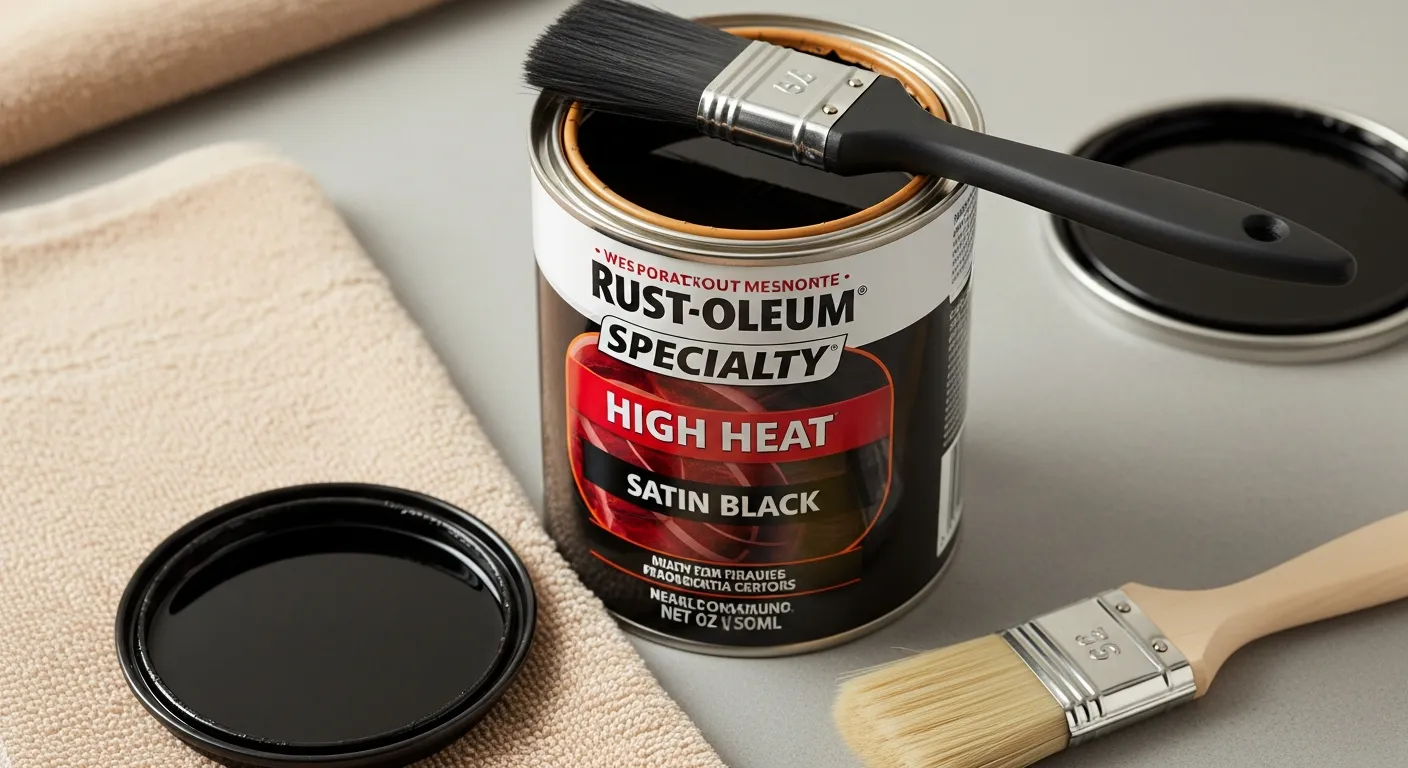
Heat-resistant paint is durable and performs well when applied correctly. The paint can handle heat well and resist peeling, cracking, and discoloration. It is easy to clean; all you need is a soft cloth. Also, consider recoating to ensure consistent performance.
Are Heat-Resistant and Fire-Resistant Paints the Same?
No, both are quite different, and to understand how they compare, here is a table for a clear breakdown of their differences -
| Features | Heat-Resistant Paint | Fire-Resistant Paint |
| Main purpose | Handles high temperatures | Slows flame spread |
| Best for | Metal, stone, brick, masonry | Wood, plywood, OSB, trim |
| Reaction to fire | Does not burn easily | Expands to form insulation to give enough time to evacuate |
| Fire protection | Limited | Strong |
| Use | Direct heat exposure | Fire risk reduction |
| VOC profile | 450 g/L | Less than 36 g/L |
| Fire safety standards | ASTM E119, ASTM E84, ASTM D2485, and NFPA | Chapter 7A CBC, ICC ESL Listings (1205, 1206, 1213 CAN/ULC), ASTM E84, California State Fire Marshal, ASTM D5116 Organic Emissions, Low VOC per ASTM D3960 |
Tips to Paint the Fireplace
Choose the Right Paint
Not all fireplaces are made of the same material. So, the paint required will be different for each surface, such as -
- Brick and Stone: Bricks and stones are porous materials that need acrylic latex paint. Ensure it is heat-resistant if you plan to light a fire regularly.
- Metal Fireboxes or Iinserts: It is advised to use a high-temperature paint, especially formulated for metal surfaces exposed to consistent heat.
- Tile: If your fireplace is tiled, consider using a durable latex or epoxy-based paint. Also, before painting, make sure to use a bond primer.
| Notes | Standard wall paint can crack and peel; hence, it is advised to avoid using it. |
Consider the Heat Zones
If you regularly use your fireplace, keep in mind that not all areas should be painted with standard paint. It is advised to avoid painting with standard paint inside the fireplace or on surfaces directly exposed to the fire. Instead, use a heat-resistant paint that is designed for the specific areas.
Choose a Color That Complements the Space
Do not rush with the color decision, as the paint will last for a long time. Choose shades of white or off-white that brighten a room and make the space feel cozier and more contemporary. Whereas charcoal or navy blue can give a dramatic appearance. If you have a more rustic interior, consider warm earth tones.
How to Paint the Fireplace With a Heat-Resistant Paint?
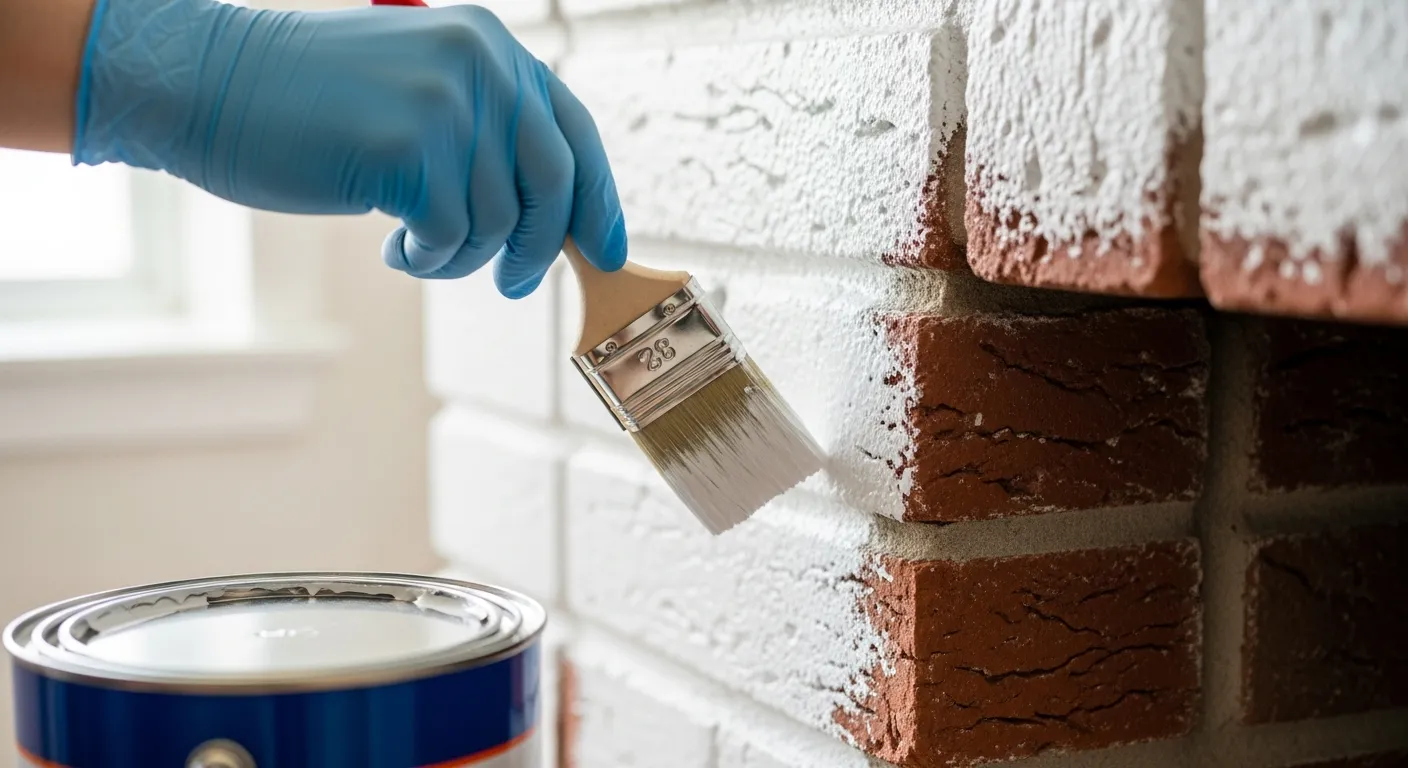
Here are some easy ways to paint a fireplace -
Prepare the Surface
Before painting the surface, ensure to clean it first. It is best to use a wire brush to gently clean the debris from the fireplace's brick and mortar. Also, pay attention to the loose material in the mortar lines, and inspect if it requires any repair before painting. Once all debris and loose materials are cleared, use a vacuum to remove dust from the fireplace.
Clean the Area and Fireplace
After you vacuum the area, deep clean the brick to remove any remaining soot or mineral deposits. If left as is, the dust deposit can affect the primer and topcoat, causing them to chip or peel. To wash the brick, you can use a sponge with a powerful degreaser or cleaner.
| Notes | It is advised to test a small amount of degreaser or cleaner on a hidden portion of the wall to make sure it does not fade the color. |
Prime First
Priming is important when painting any surface. This helps the paint bond to the surface and resist stains and discoloration from the smoke or soot. It is important to opt for a stain-blocking masonry primer for a stone or brick fireplace and a bonding primer for tiles.
| Notes | You can find primers rated for high temperatures to prevent the paint from peeling later. |
Have the Right Tool Handy
Purchase a high-density foam roller for a clean, finished look. This is because brushes can leave stroke marks on the surface. If the surface is made of stone or brick, consider using a thick-nap roller and a good-quality angled brush to ensure the paint reaches the mortar joints and crevices.
| Some Tips | It is best to paint several thin coats rather than one thicker coat. It also lasts longer and looks better. |
Paint the Fireplace
After the primer has dried properly, use a 2” brush to apply the paint to the mortar lines and cracks. Then apply the paint with a mini roller to the remaining wall. After the first coat dries, apply a second coat for a longer-lasting finish. Once done, let it cure for at least 72 hours.
Conclusion
Painting the fireplace with heat-resistant paint is a practical requirement because the area around the fire pit is exposed to heat, which can cause paint to peel and warp. Consider the tips in this blog and have the fire pit painted the right color.