
Determining door swing direction is essential because it ensures safe exit during emergencies, easy mobility for daily traffic, and more. However, most people often wonder how to determine the direction. Once the door is hung and you realize it’s fixed the wrong way, redoing it wastes your time and money. I've walked into more than one rental where the bathroom door swung inward and clipped the vanity every single time, because whoever installed it just copied the door next to it instead of measuring the room. Swing direction isn't a formality. It's the one decision that decides whether a doorway actually works.
Handing vs. Swing: Two Different Terms to Understand the Door Swing Direction
People often use "door handing" and "door swing" interchangeably, but they are not the same. Handing tells you which side the hinges sit on: left or right. Swing tells you whether the door travels into the room or away from it. You can have a right-hand door that swings in or out, depending on how it's hung. If you're still unsure how to know the hinge position correctly, we've covered how to tell if a door is left-hand or right-hand in more detail, which is worth checking first if the terminology itself is the confusing part.
What Actually Decides the Right Direction?
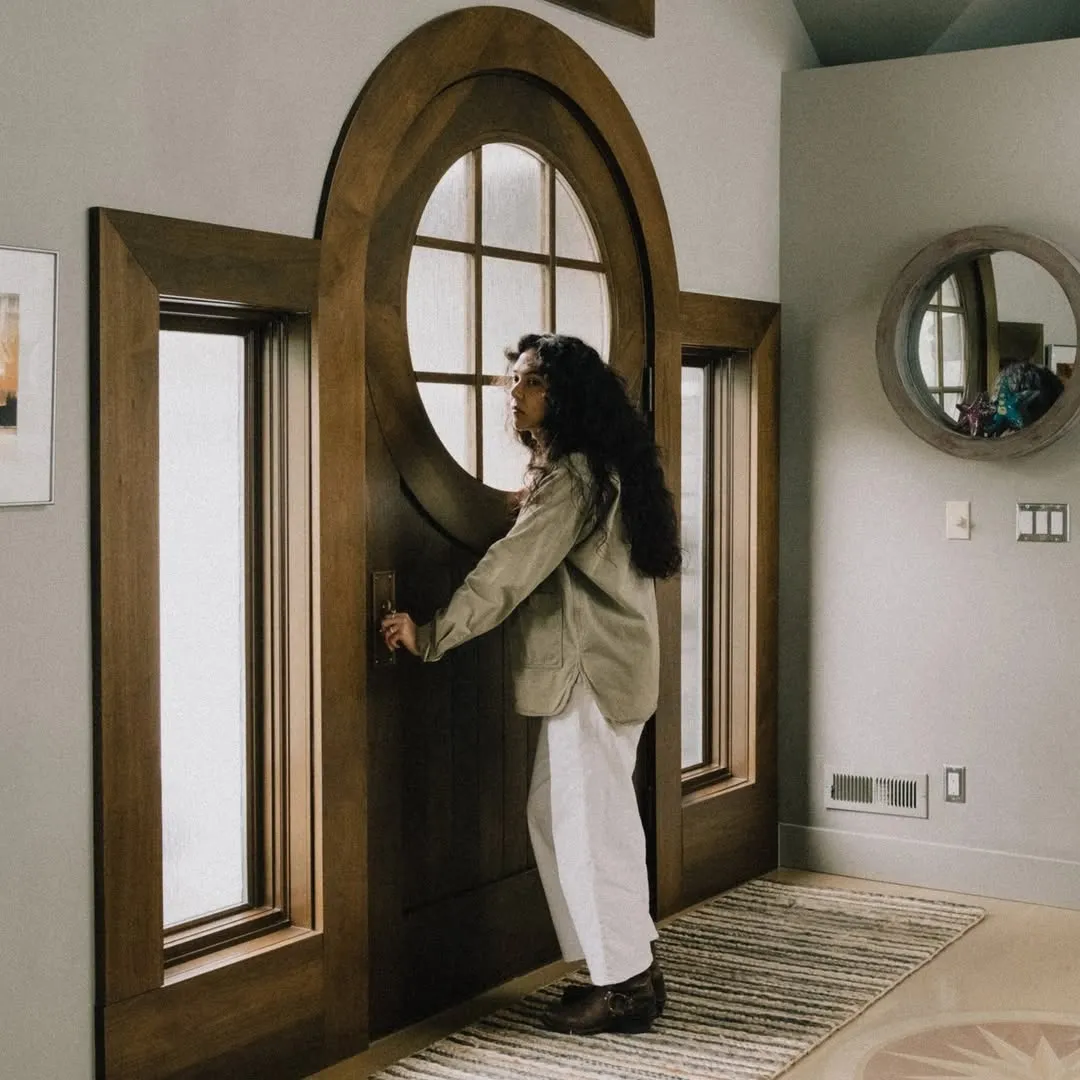
There's no single "correct" swing for every door. It depends on what's on the other side.
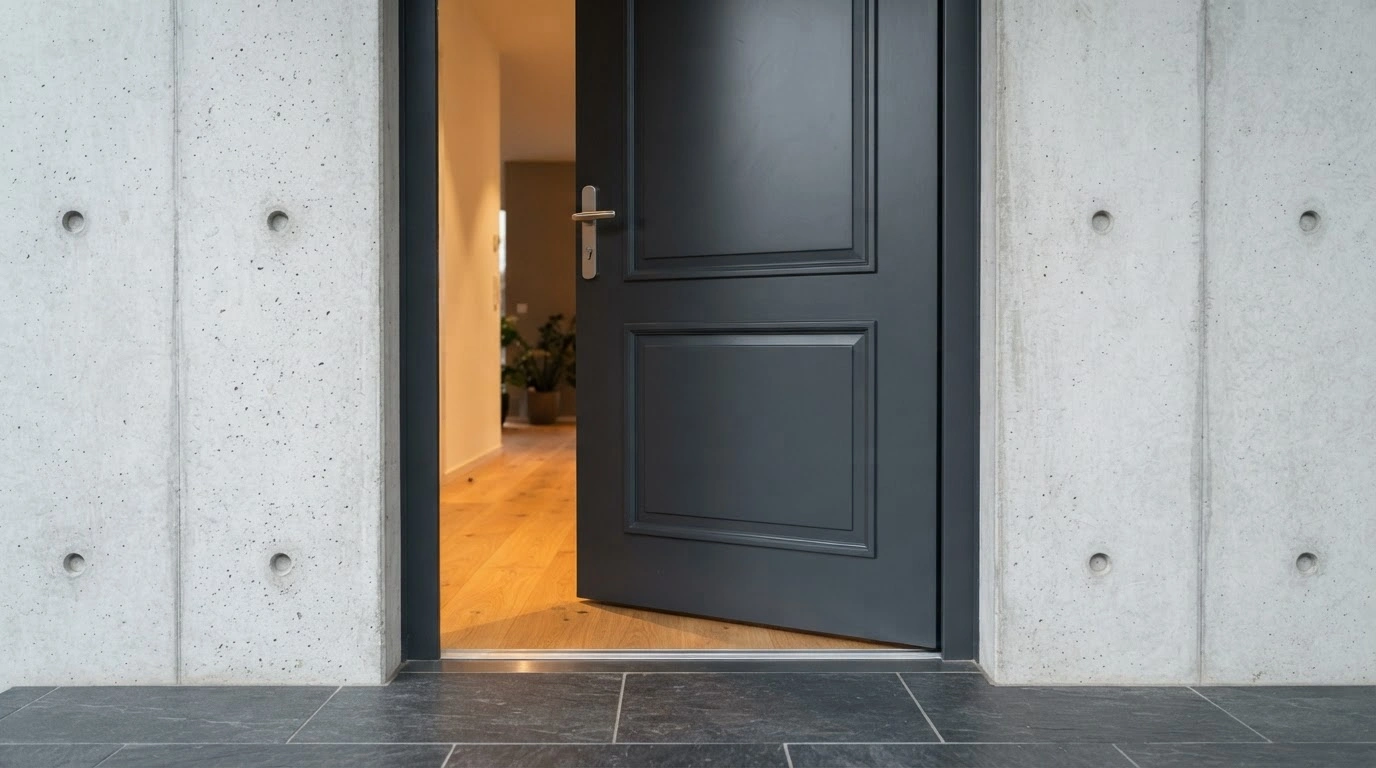
- Exterior Entry Doors - It always swing inward in U.S. homes. It keeps hinges and weatherstripping protected from weather elements and stops the door from becoming an obstacle on a porch or walkway.
- Bathrooms - This is where I disagree with a lot of the generic advice floating around that says bathroom doors should always swing outward "for safety." In practice, most U.S. bathrooms are too small for that. An outswing door in a hallway creates its own hazard, blocking foot traffic every time it opens. Outswing doors make sense only if the bathroom is large enough that an inward swing would trap someone against a fixture if they stand near the door. For a standard 5x8 bathroom, inswing is usually a better option.
- Closets - It benefits from whichever direction leaves the most usable floor space, usually swinging away from the nearest dresser or bed, not toward it.
- Bedrooms - Door swings are conventionally inward, mainly so the door doesn't block a hallway other people are using.
None of this is guesswork once you stand in the room and walk through it with the door open both ways. That fifteen-minute test beats any general rule.
How to Determine the Door Swing Direction?
The door direction can be determined by the following points:
- Stand outside the main entrance door, facing the door, and check the hinge location: the hinge on your left is a left-hand door, and the hinge on your right is a right-hand door.
- Another way is to open the door completely and stand inside the doorway with your back against the hinge jamb. The hand closer to the doorknob is the door's “hand.”
Building Codes Do Weigh in (Just Not Where Homeowners Expect)
For most single-family homes, code doesn't dictate residential interior door swing. But it does apply to higher-traffic spaces. Under the International Building Code, doors serving a room with an occupant load of 50 people or more must swing in the direction of egress travel, meaning outward, toward the exit path ("Side-hinged swinging doors, pivoted doors and balanced doors shall swing in the direction of egress travel where serving a room or area containing an occupant load of 50 or more persons or a Group H occupancy").
That's why a home office converted into a small event space or an in-law suite used commercially can suddenly trigger a swing-direction requirement most homeowners never think about. If you're renovating anything that isn't a plain single-family layout, spend a few minutes checking the actual code language rather than assuming residential rules apply (exact wording and local amendments vary by state and city, so always confirm with your local building department). See the code section on ICC's official public viewer.
When You Discover the Swing is Wrong?
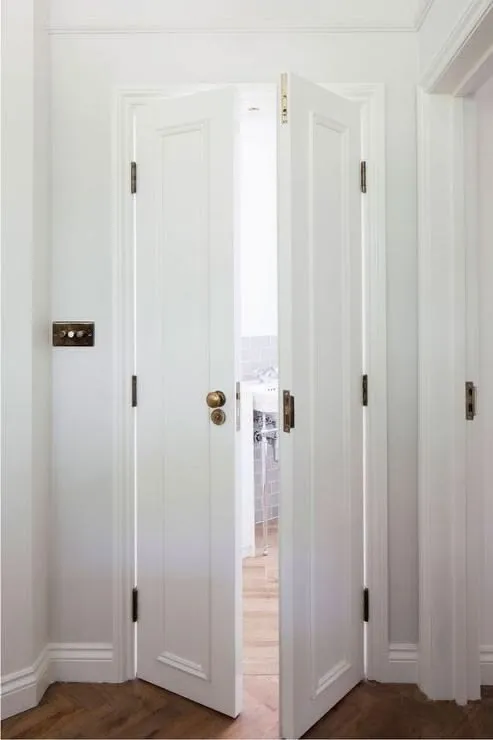
Sometimes you don't find flaws in the door swing direction until the door's already hung, hitting the bed frame, blocking a switch, or swinging into a stair rail. The positive thing is it’s a fixable problem, not a reason to replace the door. We've laid out the full process for changing door swing direction without buying a new door, including where people usually get the hinge mortises wrong. And if the confusion is specifically about right-hand doors, which way they open and why that differs from left-hand, this breakdown of right-hand door swing covers it directly.