
If you think that barn doors are only used for farmhouse-style homes, then you should rethink. In fact, they are also used for rustic cabins, coastal retreats, and contemporary homes. Barn doors have become a stylish, functional choice for modern homes.
Barn doors bring a beautiful rustic touch to any space, which is perfect for creating an attractive focal point. Beyond their aesthetic appeal, barn doors also work beautifully as room dividers and are especially useful in smaller spaces, where traditional swing doors may not work as efficiently. This blog explores the various types of sliding barn doors to help you choose a style that complements your interiors and fits your space.
What is a Sliding Barn Door?
Sliding barn doors are simply barn doors that slide over, instead of swinging, like a traditional door. They don't fit into the door frame and are usually larger than the opening so that they can cover the space completely. The door slides along a track fixed to the wall above the doorway or to decorative molding.
You can also attach a wooden header to the wall studs for added support, and fit the track into it. If the wall studs are already in the right place, you may not need to add a header. To move along the track, the sliding barn door uses wheels or rollers.
If you are wondering about the material, metal rollers are usually best, as they typically last longer than nylon or wooden alternatives. However, metal hardware can be noisier and requires more care to prevent rust. The bolts used to attach the hardware should also be long enough to anchor securely through the door.
Sliding Barn Doors Ideas (For Every Room)
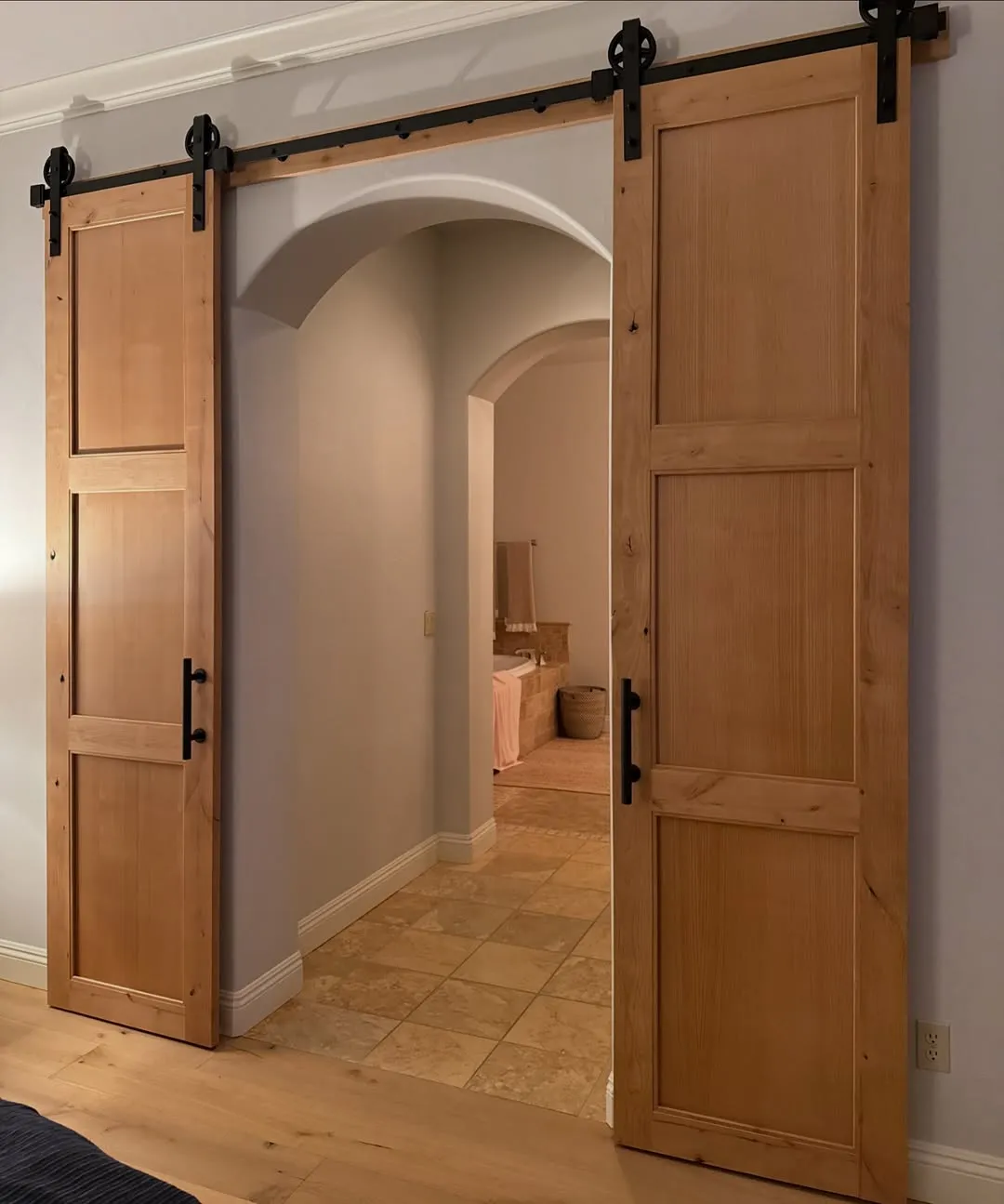
Today, barn doors are widely used in every home style, and they look good in every room. They are popular for more than just their rustic look. The best part is that they take up less floor space and make a strong visual statement. This solves the problem of small spaces where installing a swinging door isn't an option.
Bedroom Sliding Barn Door
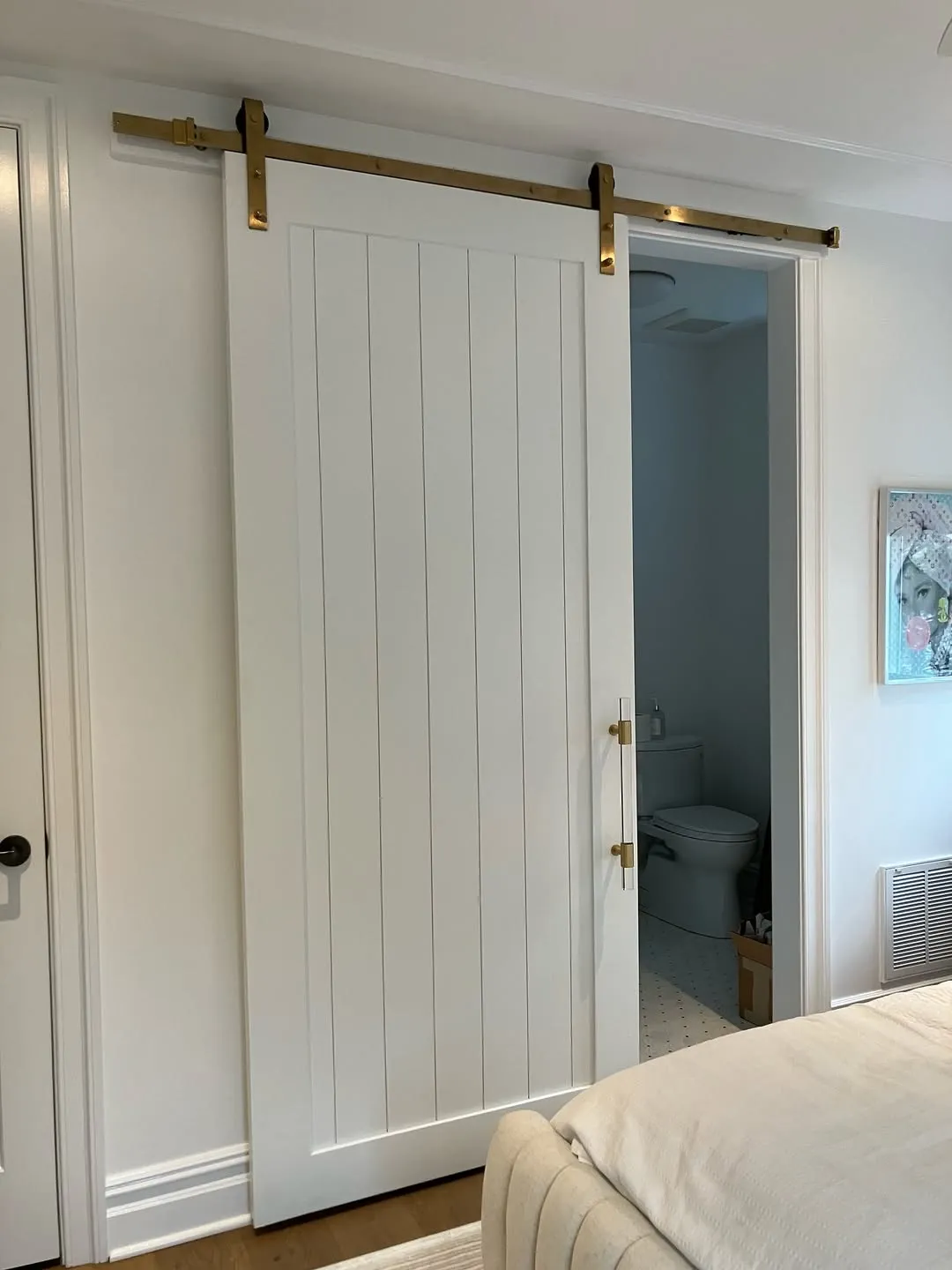
Sliding barn doors are ideal for bedrooms because they slide sideways instead of swinging into the room or hallway. This saves floor space without blocking walkways or furniture. This also works for an open-plan layout. For a primary bedroom, it is best to use a large single barn door made from natural wood, or paint it.
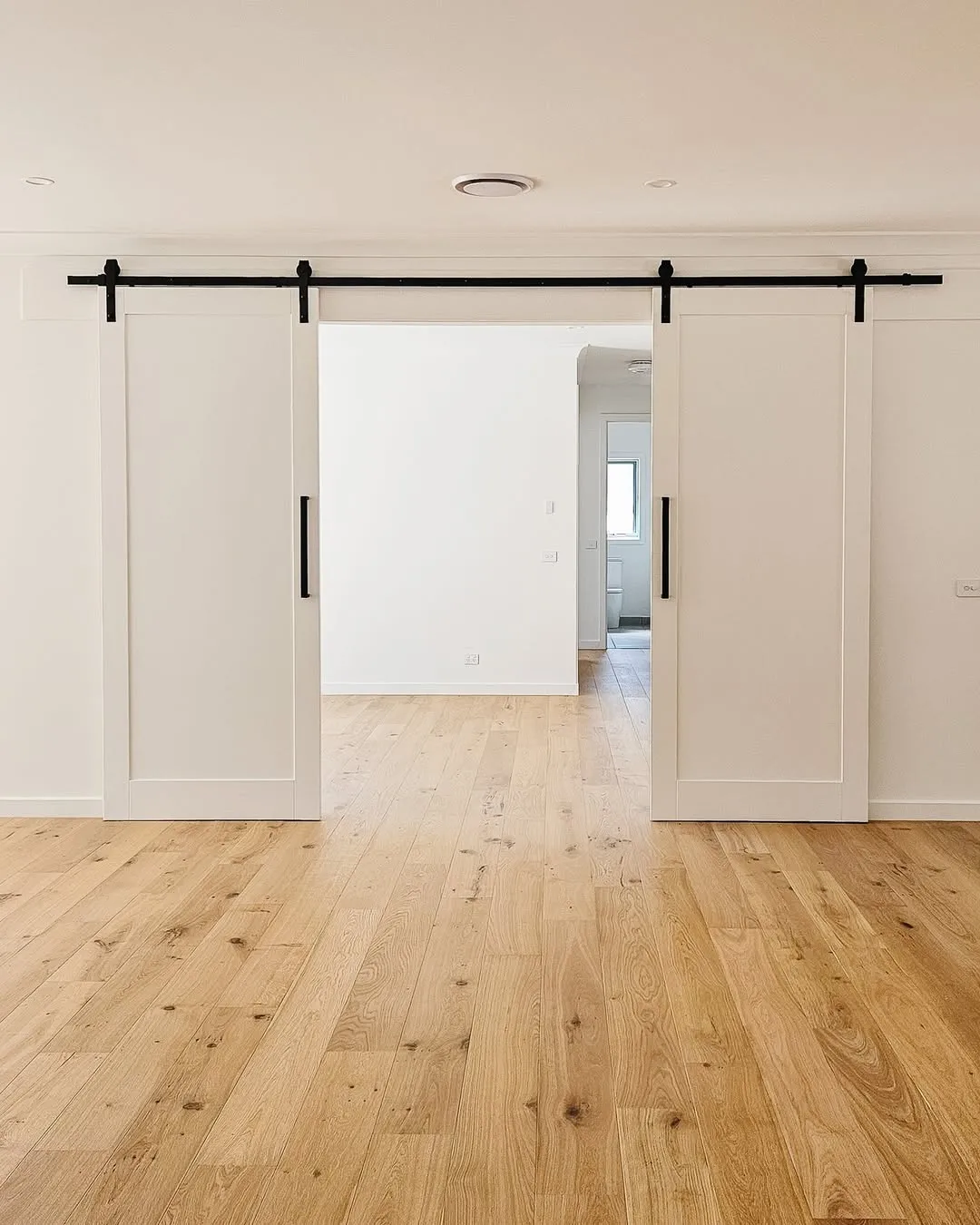
If you have a huge bedroom entrance, you can use two doors that meet in the middle and slide outward. This creates a beautiful yet dramatic look. For closets, consider sliding barn doors, which are often the best alternative to bifold or traditional sliding doors. They offer a more substantial, custom look.
Bathroom Sliding Barn Door
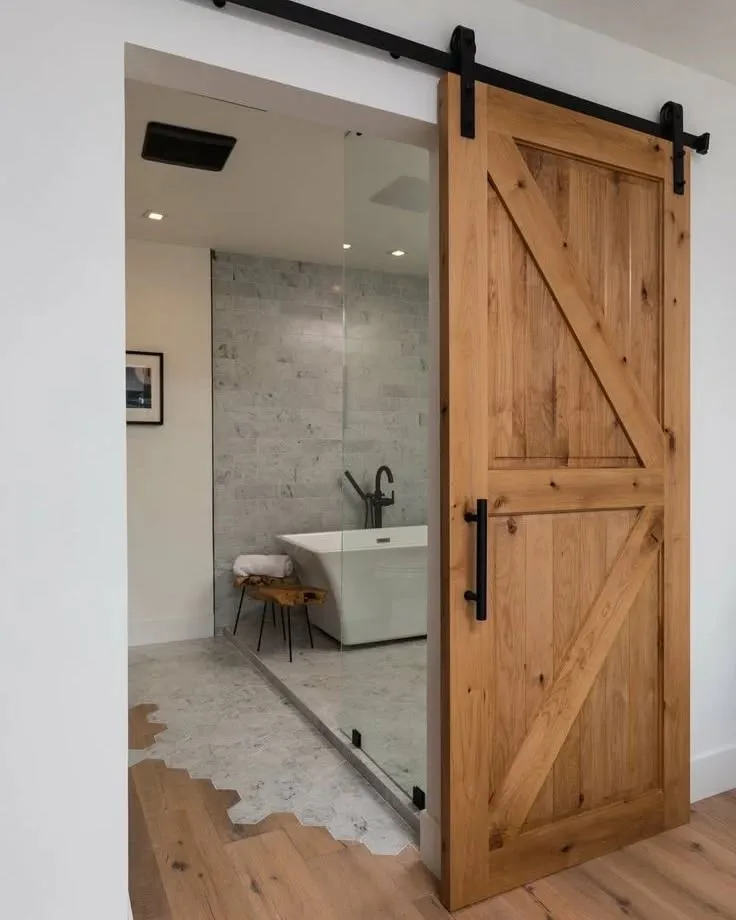
If you have a smaller hallway or an obstruction that makes installing a swinging door difficult, a barn door is one of the best choices—it slides along the wall rather than taking up extra spacey.
Standard barn doors may have gaps between them, which can cause privacy issues. Instead, you can choose a barn door with a flush bottom edge and a good floor guide to minimize the gap. You can also choose frosted glass panel barn doors (with wooden frames), which work well for shared bathrooms where you still need some light between spaces.
Home Office Sliding Barn Door
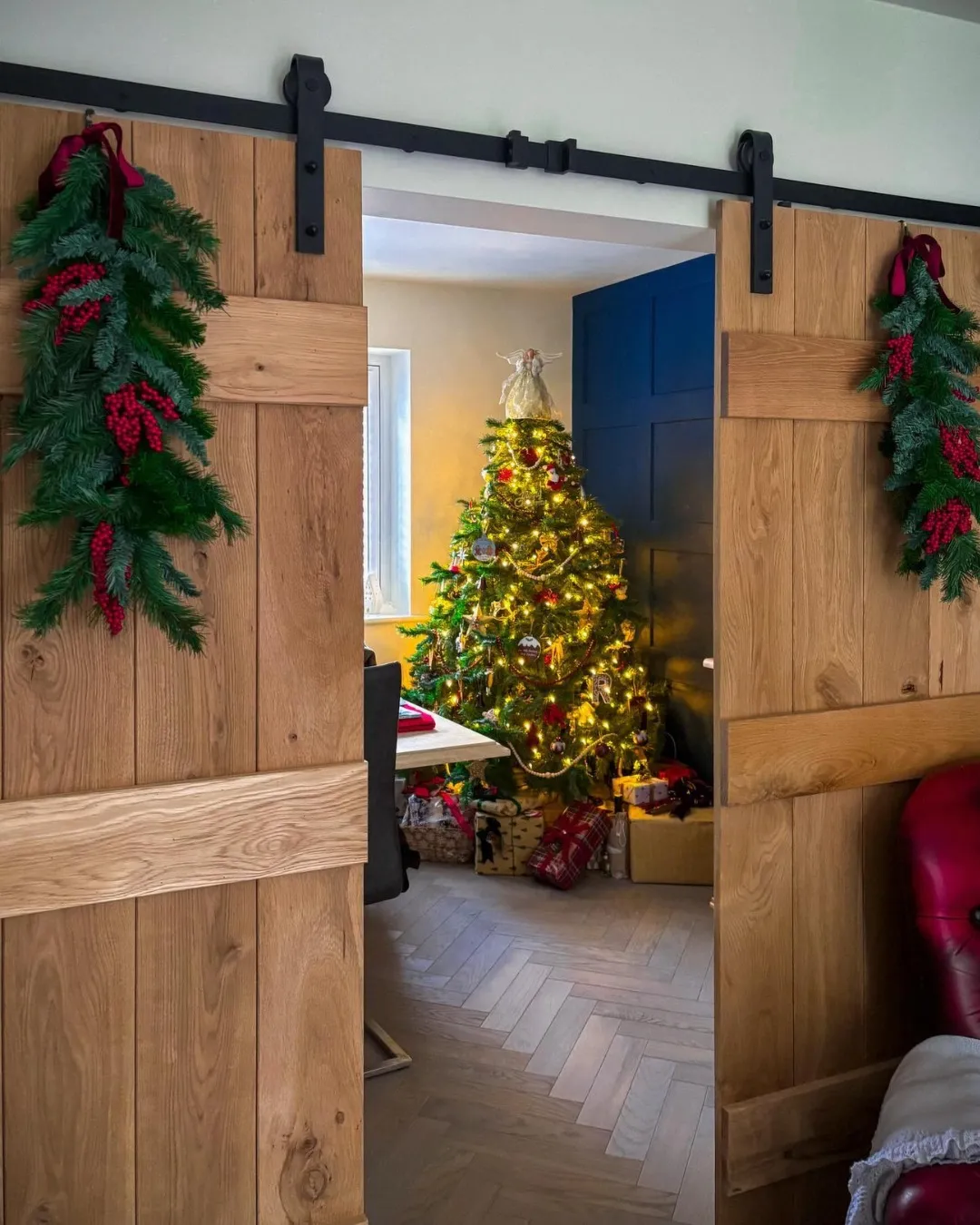
If you have little space, such as a corner in the living room or dining space, that you want to transform into a home office, you may need a door to work without distractions while keeping privacy intact. A barn door is the best option because you can close it when you need to focus and open it when you're not working.
Kitchen and Pantry Sliding Barn Door
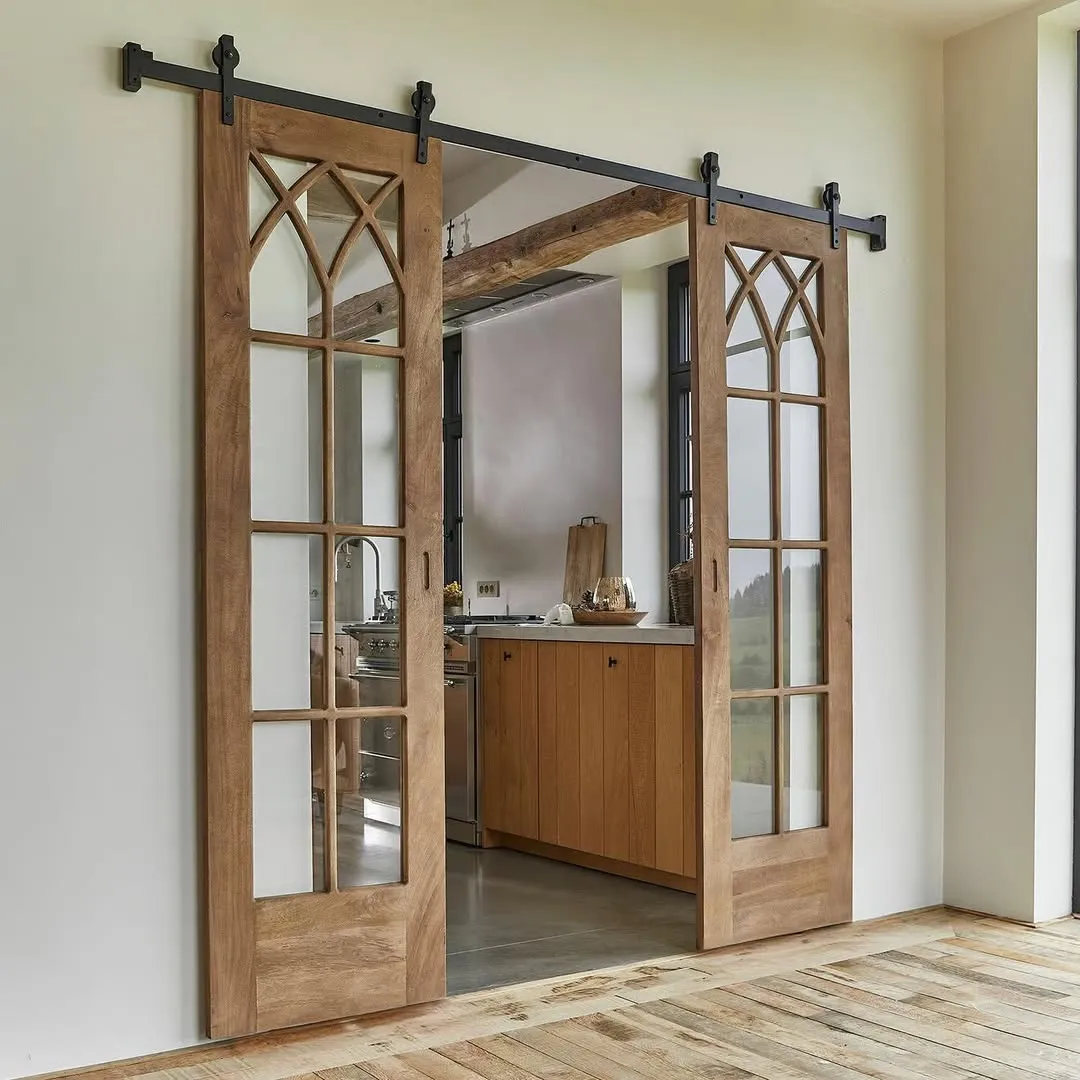
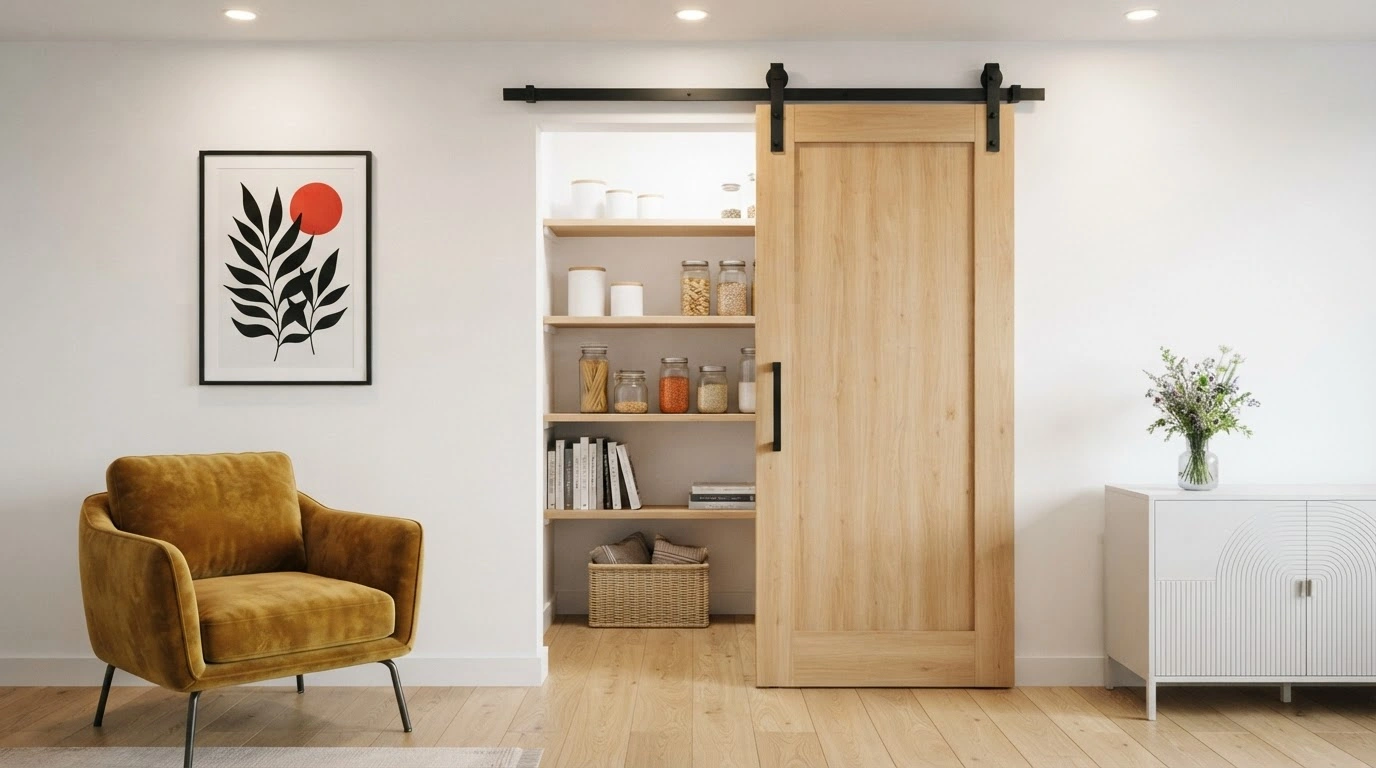
A barn door is the perfect door type to separate the kitchen from the pantry. As it slides sideways, it won’t block the traffic into the kitchen. The door doesn’t have to look like a utility door, since you can customize it to suit your needs and kitchen interior.
You can either stain the wood door or paint it to achieve the desired finish. It also gives you the flexibility to separate the dining room from the kitchen (if it is an open floor plan). You can also keep the door open whenever you want to make the space feel connected.
Living Room Sliding Barn Door
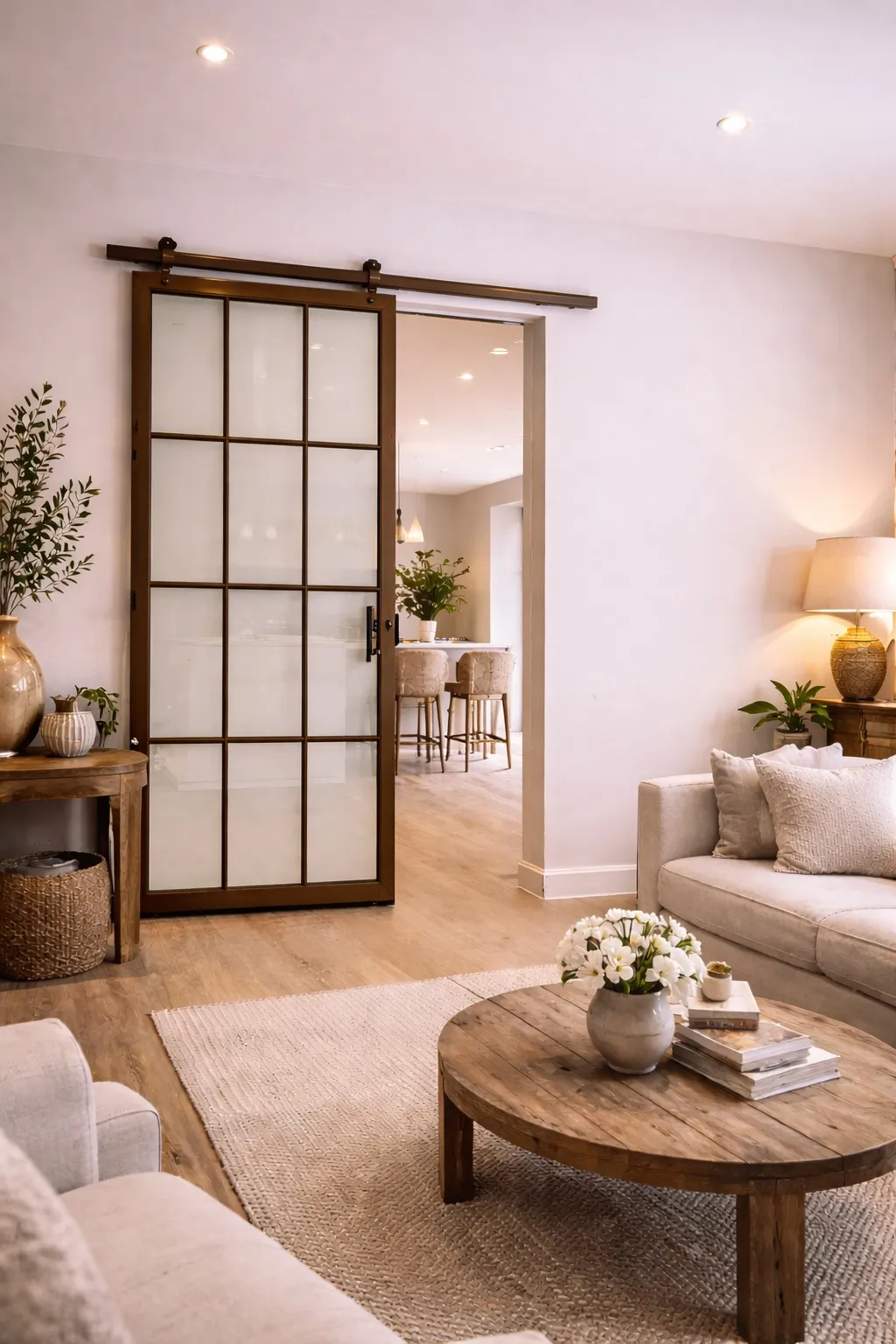
Sliding barn doors in the living room are most commonly used as room dividers. They can separate the living area from a dining room or a sitting room from a hallway. Installing a barn door adds flexibility by letting you open or close the connection between spaces as needed.
A solid-wood statement barn door is also a great option. You can add some decorative hardware, which can also work as a focal point in the living room. With the right decor, it can also function as a piece of art when not in use.
Laundry Room and Utility Spaces
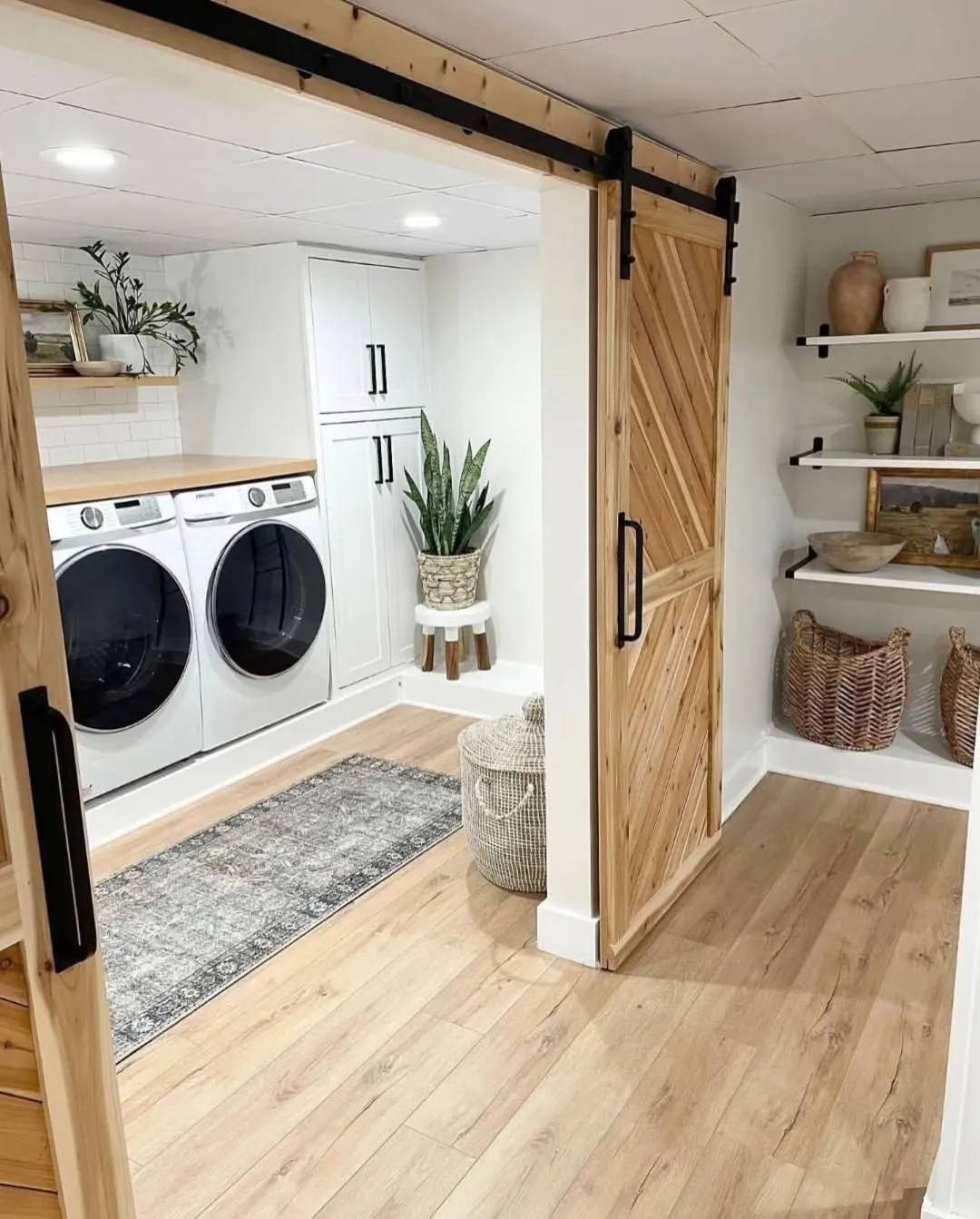
Standard swing doors may not open fully and can be blocked by the washing machine and dryer, making the space feel cramped. A barn door solves both problems. It doesn't block the space when open, giving full access to everything inside.
What Are the Types of Sliding Barn Doors?
Here are some common types of sliding barn doors, such as -
Bi-Parting Door
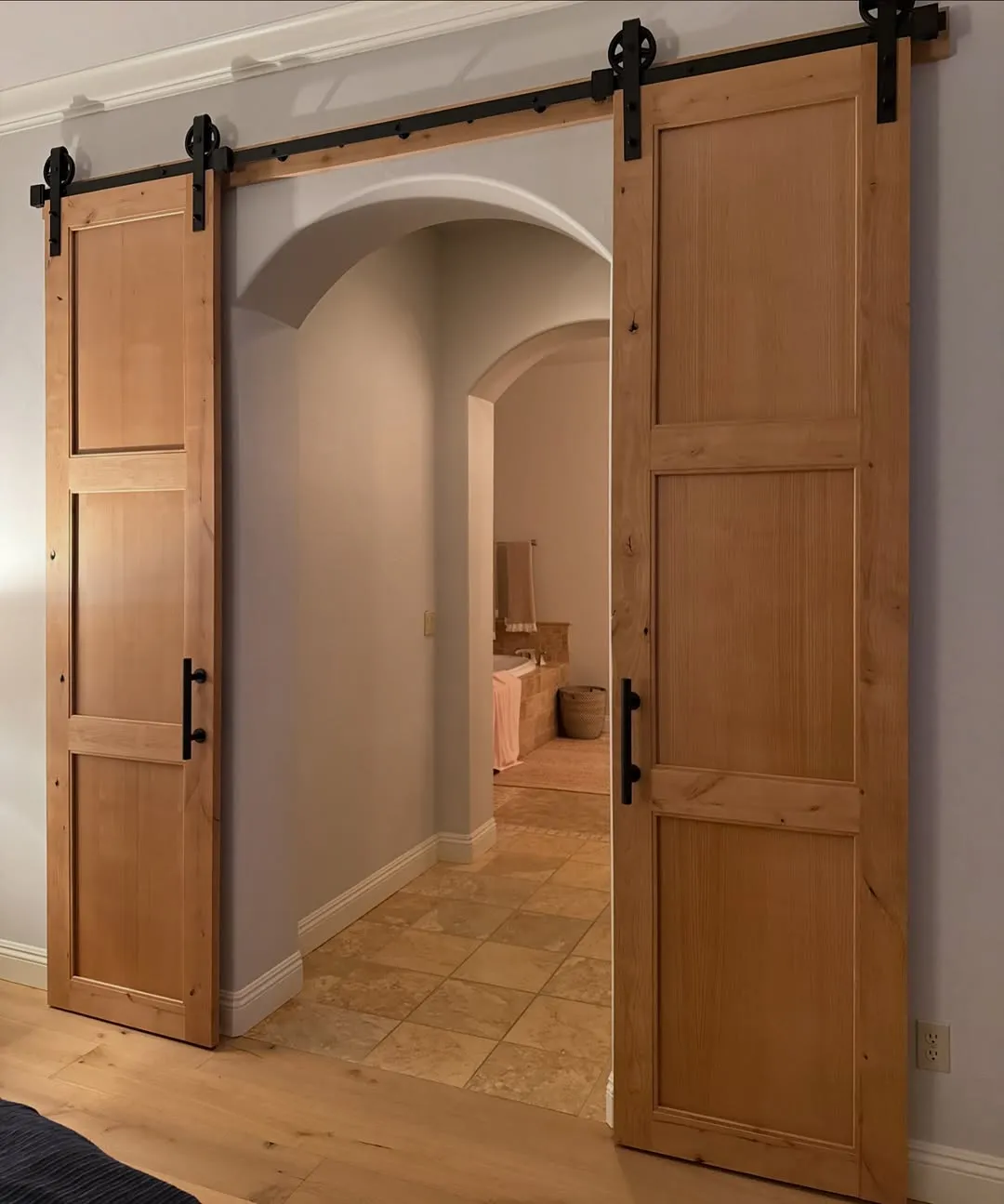
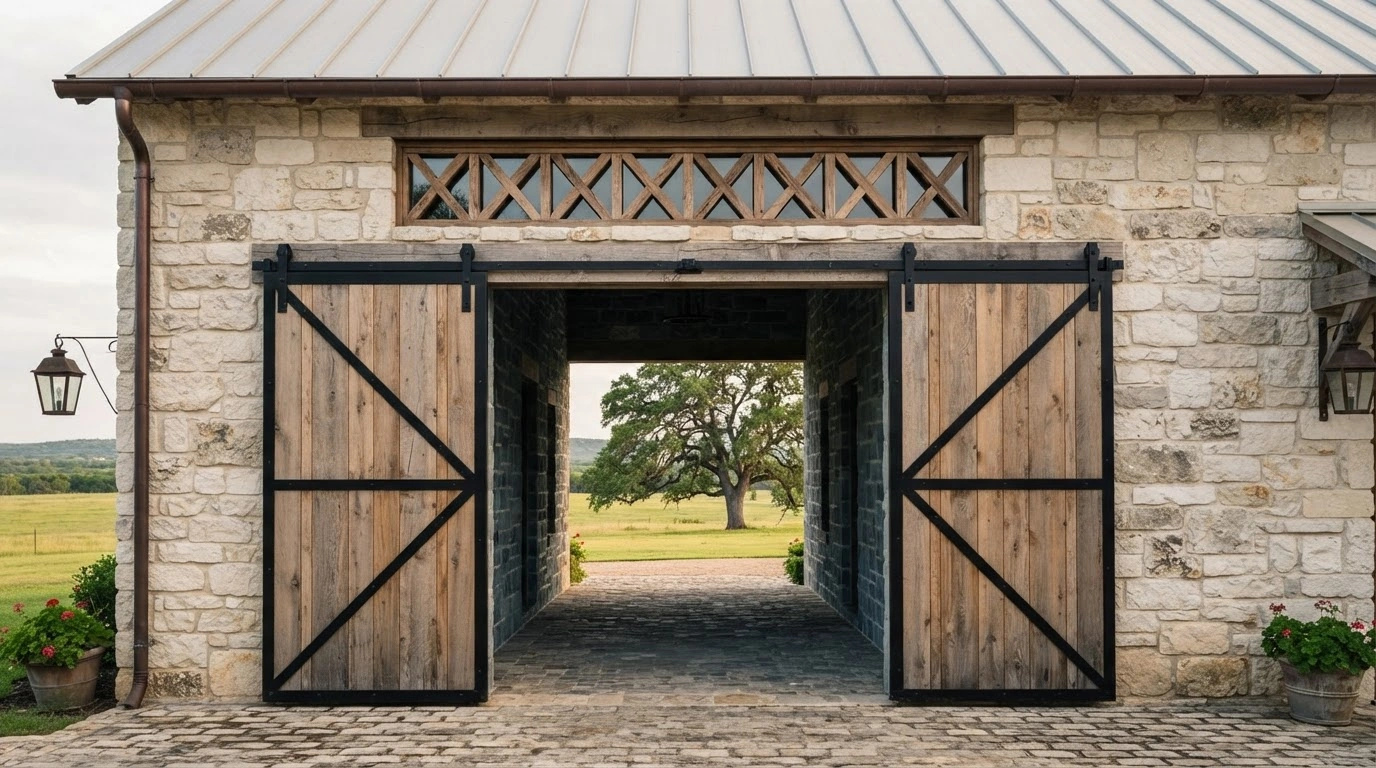
A bi-parting door is a common choice for homes, and is best suited for rooms with enough space to slide on both sides. These doors have two panels that open in opposite directions, allowing them to sit on either side of the opening when opened completely.
Single Door
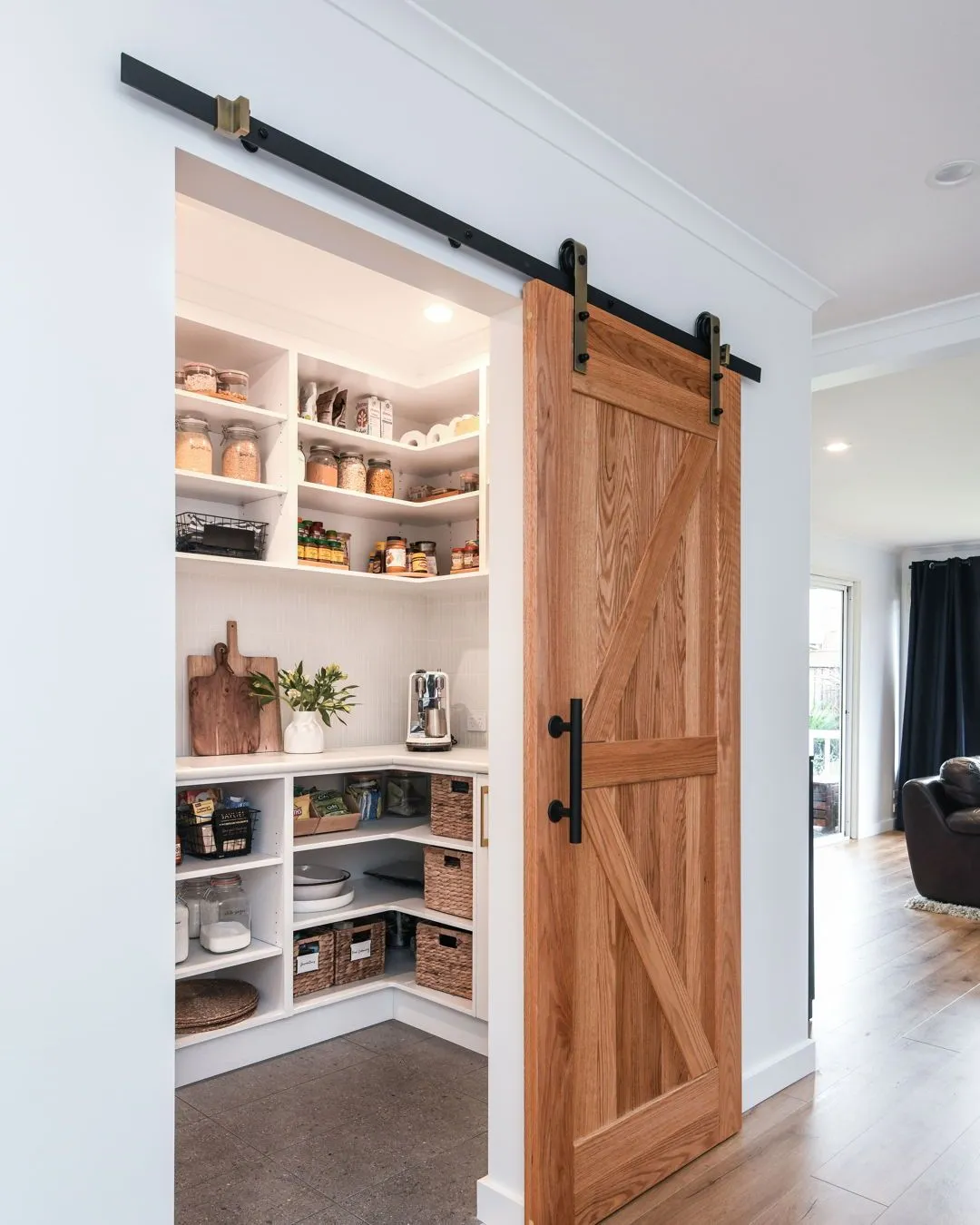
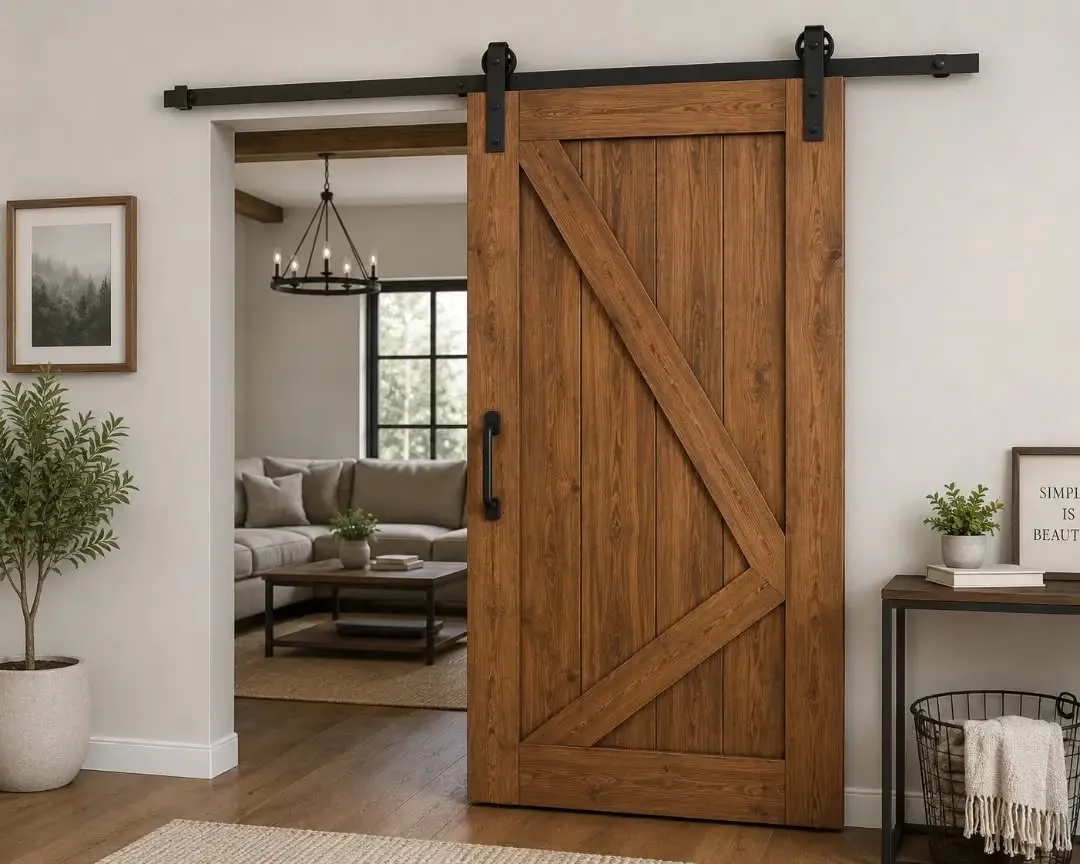
This is one of the most common door types, sliding either left or right. This is best for small openings, as long as you have enough space for the door to slide. It is also a good choice for wide doorways, as long as there is clear space beside the frame for the door to slide open fully.
Bypass Door
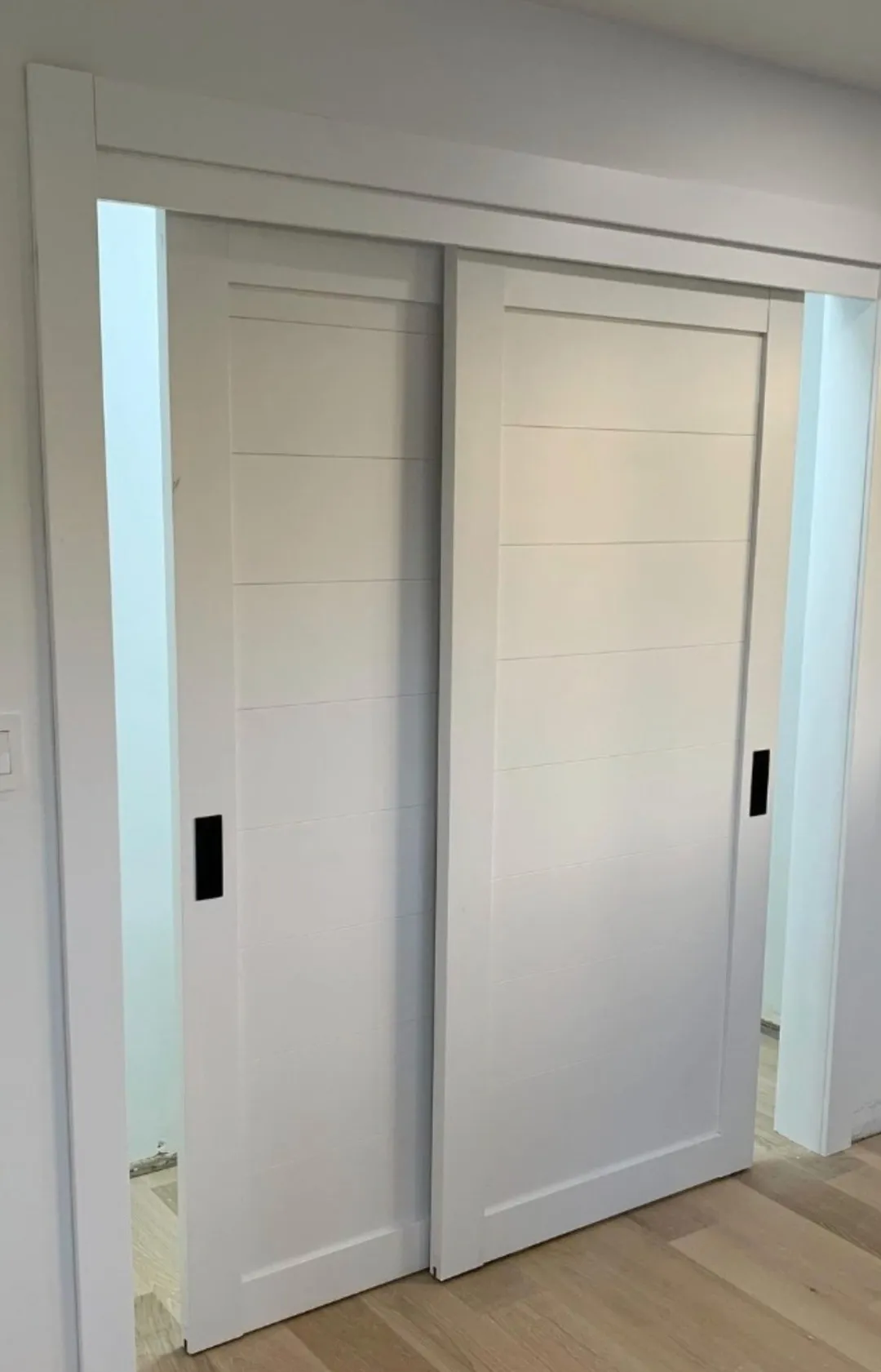
A bypass door is best for areas where there isn’t much space on either side of the opening. This type of door overlaps and slides over one another, leaving space on the other side to enter or exit a room. However, this is a complex and expensive door type and may not suit those who want doors to open completely from both sides.
Mirrored Door
Mirrored barn doors can function as both a door and a mirror. This is the perfect solution for a bedroom or closet where you need access to mirrors. Mirrored barn doors can also brighten a space and make a small room feel larger by reflecting light.
Glass-Panel Barn Door
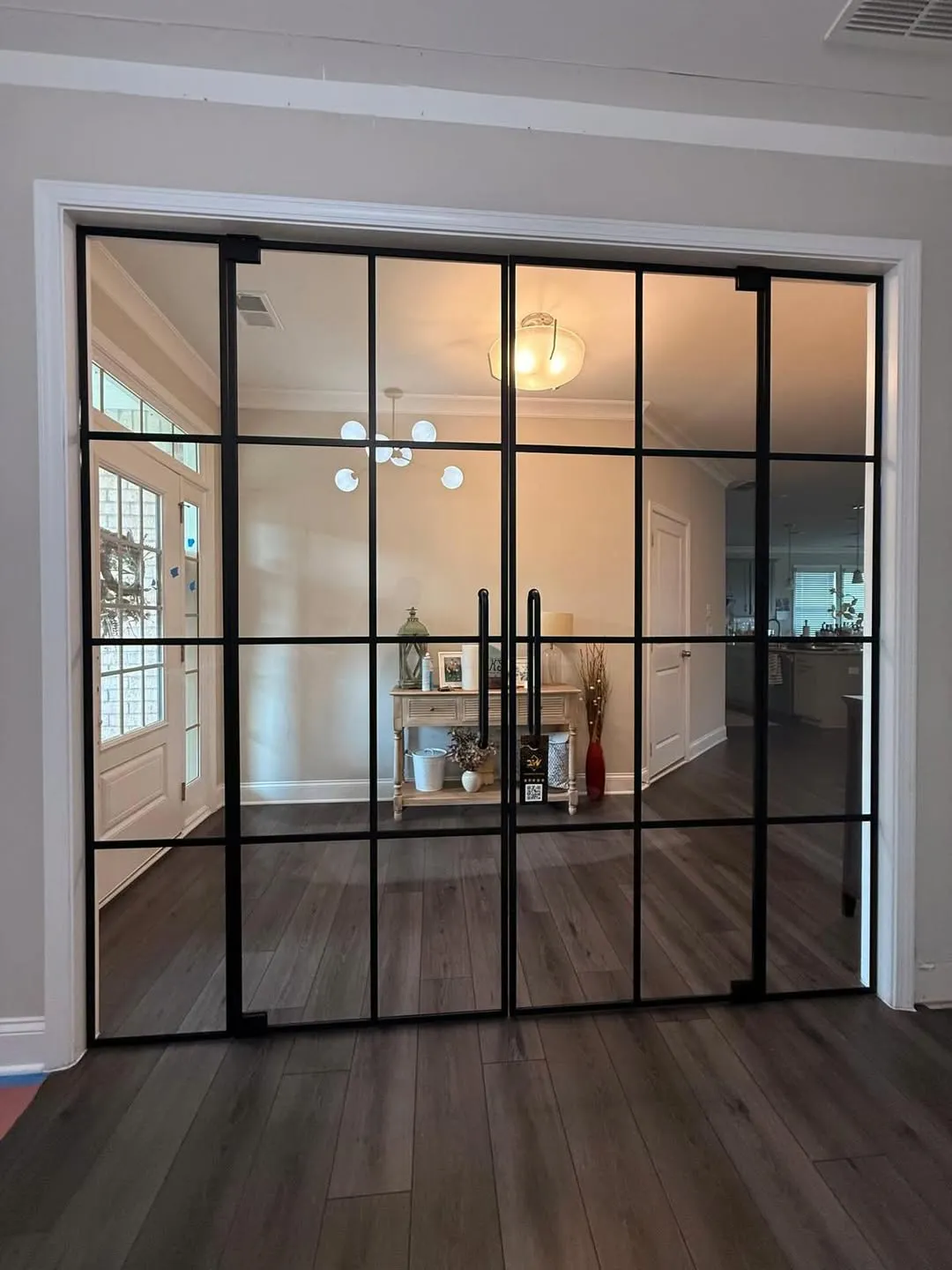
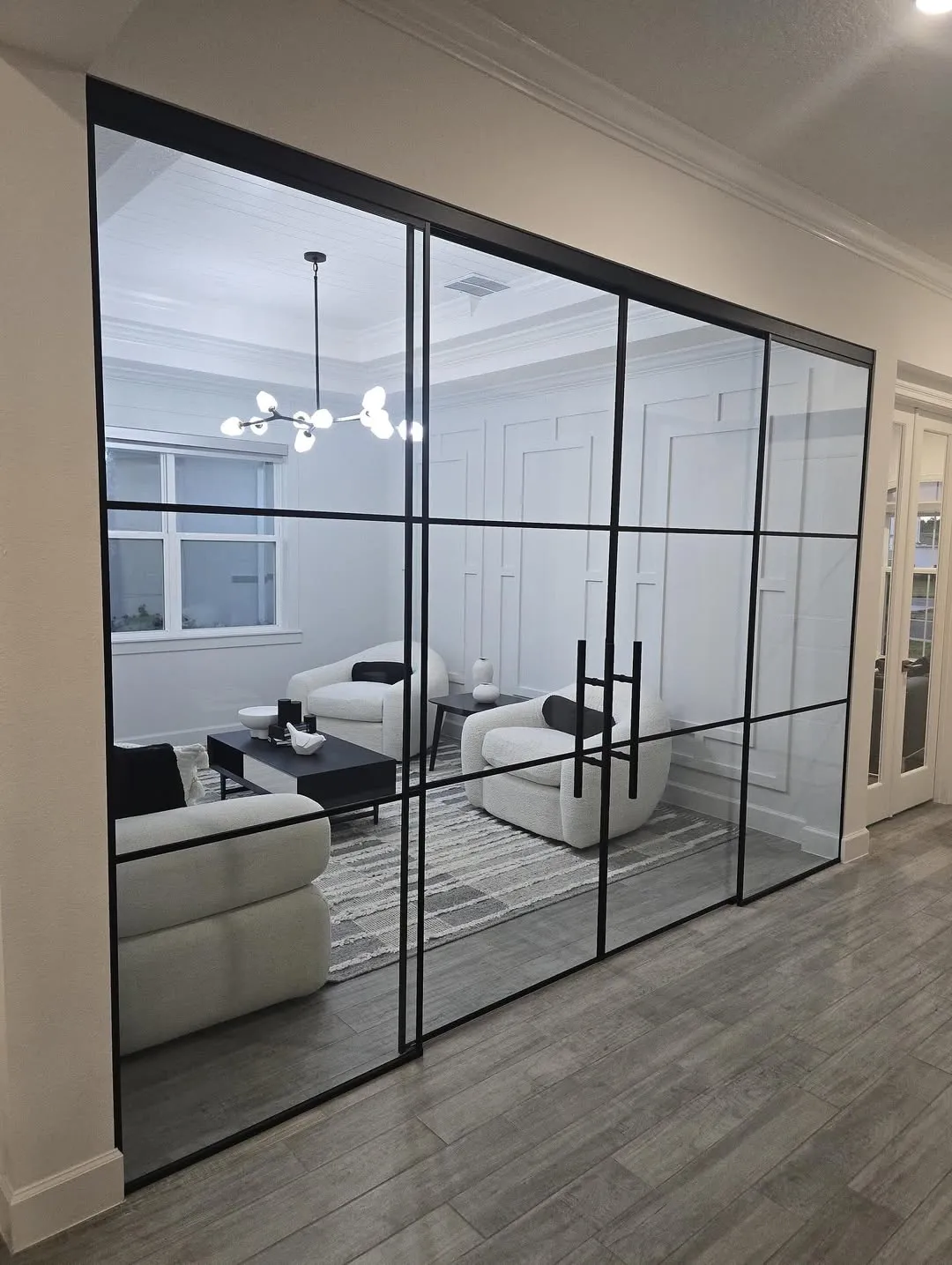
Glass-panel barn doors let natural light flow into the room. These are made with tempered glass and framed in metal or wood, depending on your preference. If you are concerned about privacy, you can opt for frosted or etched designs. They also add an elegant touch and work well in modern homes and offices.
Industrial Barn Doors
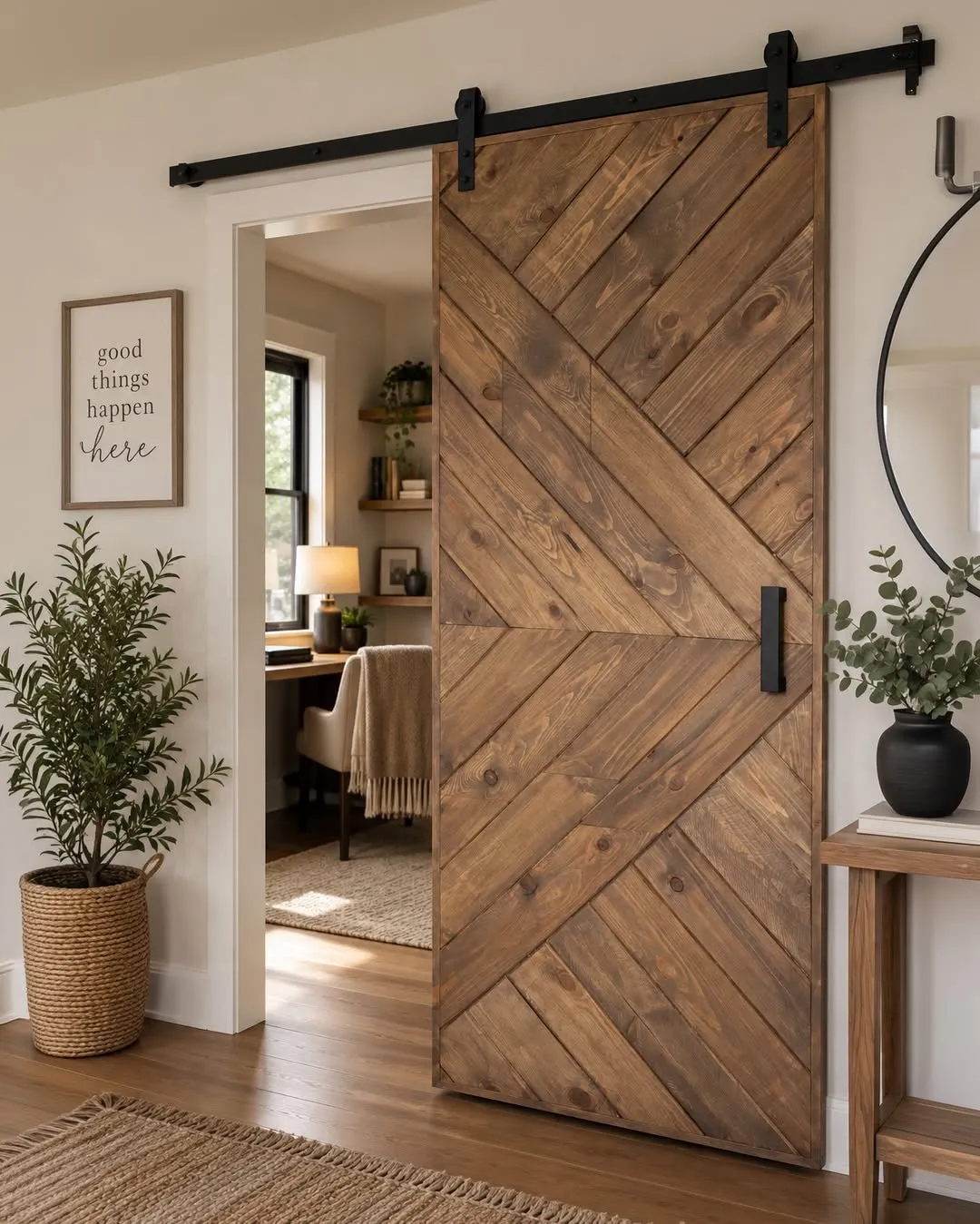
Industrial barn doors are best for rustic-modern homes, as they make a bold statement and are popular in urban settings.
What Are the Different Styles of Barn Doors?
There are several varieties of barn doors to choose from, such as -
-
Rustic Barn Doors: They feature classic X- or Z-braces that resemble traditional, old-school barn doors. They have a distressed finish, visible knots, and weathered textures, which makes them perfect for country cabins, farmhouse-style homes, etc.
-
Modern Farmhouse Barn Doors: These doors have both modern and traditional features. They have cleaner lines and come in softer colors, such as white, gray, or natural finishes.
-
Mediterranean Barn Doors: They feature ornate carvings, arched tops, and wrought-iron accents paired with glass panels for a timeless aesthetic.
-
Southwestern Barn Doors: Southwestern barn doors feature beautiful earthy tones, handcrafted textures, and rustic iron hardware. Some may prefer to incorporate tribal patterns or a rugged wood finish.
-
Contemporary Barn Doors: These are simple, modern door types with smooth surfaces, minimal hardware, and neutral tones.
What Are the Advantages of Sliding Barn Doors?
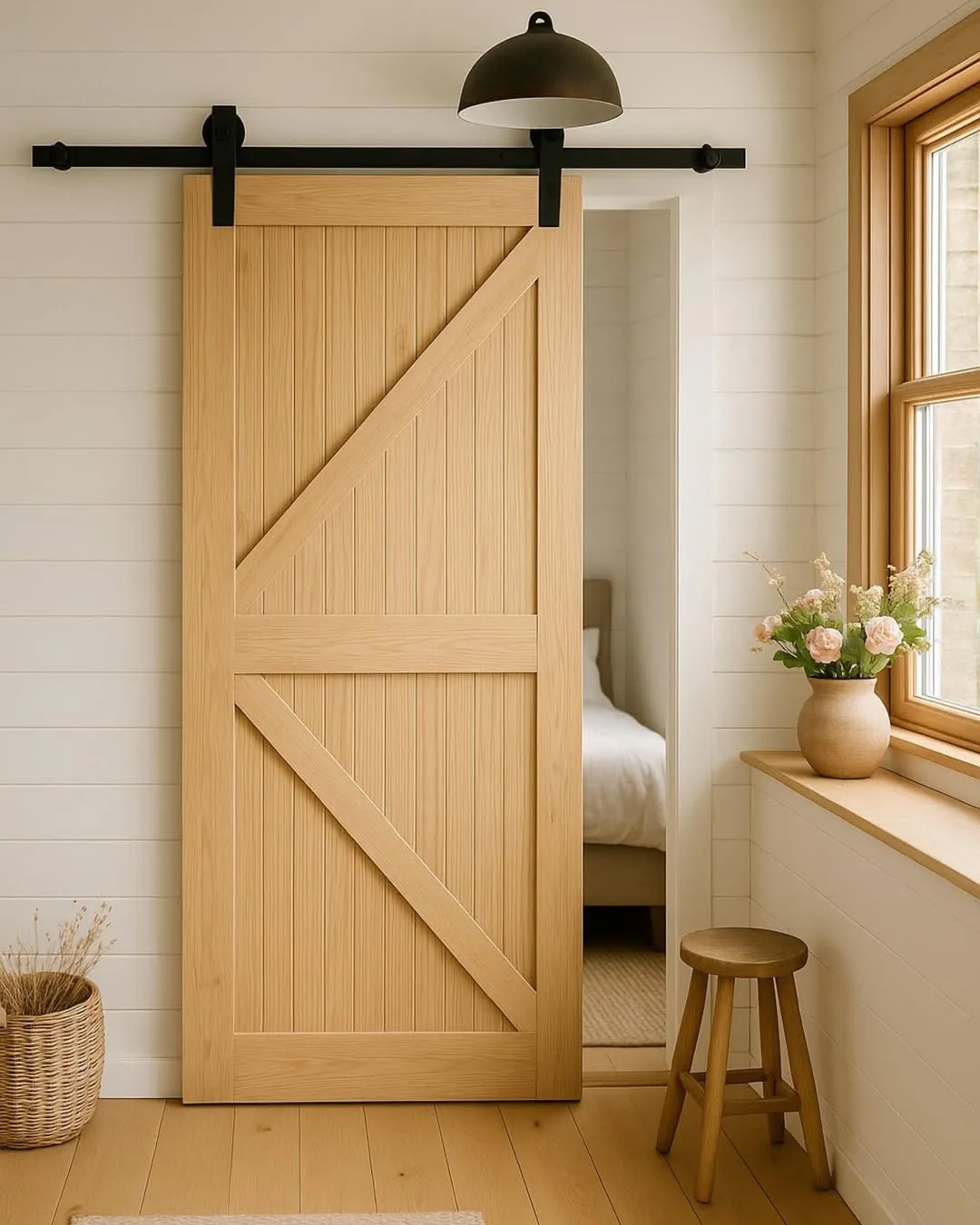
Here are some advantages of opting for sliding barn doors -
Aesthetic Appeal
Many interior designers and homeowners choose sliding barn doors for their aesthetic appeal. With their natural wood look, these doors add character and warmth to a space while making them the room's focal point. These doors can complement a wide range of styles, such as farmhouse, modern, contemporary, etc.
Saves Space
Sliding barn doors solve the most common space-related problem. Unlike swing doors, they don't block the passage because they open parallel to the wall. They work best in small rooms, narrow hallways, and tight entries, and can even serve as a room divider.
Accessibility and Usability
If you have older adults at home, then sliding barn doors are the right choice. They require less effort to open and close, making them suitable for homes with people with limited mobility. However, people with specific disabilities, such as limited hand strength, may find it difficult to operate some sliding barn doors. This depends on the door's weight and hardware.
Can Last Longer
Solid-wood doors can last longer. However, you must take care of the hardware and metal parts, such as tracks and handles. These must be rust-resistant and properly maintained to stay like new year-round. Also, conduct regular inspections to ensure the system continues to perform well.
What Are the Disadvantages of Sliding Barn Door?
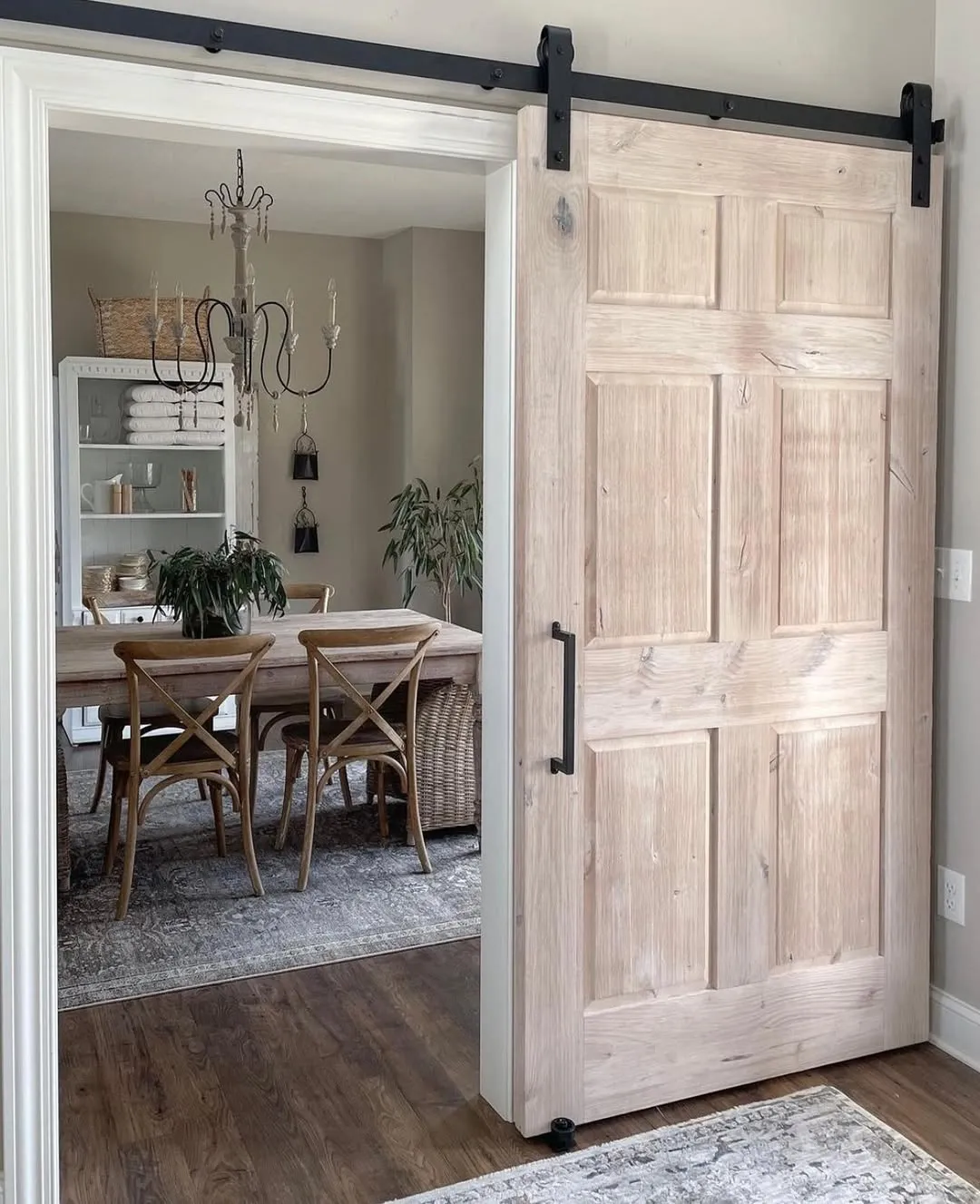
Along with the advantages of sliding barn doors, there are certain disadvantages, too, such as -
Limitations in Design
Sliding barn doors can trend for one season, but as trends change, your preference for this door type might change too. So, if you are considering installing a sliding barn door in your home, make sure it suits the changes you might make later.
You can retain the wooden texture or choose different colors, stains, and hardware finishes to help the door blend with future decor without major changes.
Privacy and Sound
Many people might face privacy issues with sliding barn doors. The sliding door can cause that may allow sound and light to pass through. This might be a problem if you use the barn door for a bedroom, bathroom, or home office.
Sometimes, weatherstripping or additional hardware may not fully seal the gaps. So, if you want privacy, a conventional door is the right choice.
Installation and Maintenance
Properly installing a sliding barn door requires accurate measurements and strong structural support. Attach the tracks and rollers securely so they don't loosen. If they loosen, the door may not slide properly or may become difficult to operate.
Second, barn doors are heavy, so make sure the wall is sturdy enough to support the track and door. Dust and debris may also accumulate on the track; making it difficult to slide over time. Maintain and clean the tracks so the door doesn't stop midway. In addition, doors also need regular adjustment to stay level.
How to Choose the Perfect Sliding Barn Door For Your Home?
When you choose a sliding barn door, it is important to consider the practical and aesthetic factors -
- Consider the barn door's size and material.
- Make sure the door fits the available space in your home.
- It should also match the interior home decor.
- Consider the overall budget, as you will need to purchase track hardware in addition to the door. The hardware alone may cost around $60 to $400, or more, depending on the quality.
- If you hire a professional, it may cost an an additional $450-$750.
These factors help ensure the sliding barn door looks good, works well, fits your lifestyle, and complements your home.
Can You Upcycle Bifold Doors into Sliding Barn Doors?
If you are tight on budget, have an old bifold door, or want to explore sliding barn doors without investing much, you can DIY barn doors using your bifold doors. Here’s a step-by-step guide to upcycle your bifold door into a sliding barn door -
- Remove the hinges and sand the door thoroughly so that the surface is smooth.
- Measure the door and available wall space to choose the right track size.
- Cut the track pieces according to the measured size.
- Attach wooden planks to the door using Liquid Nails, wood flue, and screws to give it a barn-door appearance and structure.
- Once everything is in place, the old bifold door can slide along the track like a barn door.
This is the best way to reduce waste and turn the bifold door into a functional sliding barn door.
What Wall Space is Needed for a Sliding Barn Door?
Of course, you need enough wall clearance to install a sliding barn door so it opens completely. A good rule of thumb says “you need at least 2x space of the door in wall space.” This ensures you have enough wall space beside the doorway for the door to slide open without hindrance.
In addition, do not forget to consider the following -
- Existing door trim, casing, baseboard, and base molding
- Thermostats, switches, outlets, and shelving
- Wall vents
- Placement of the furniture
- Weight rating of the barn door track systems
- Structural blocking near the opening (if any)
To install a sliding barn door, it is best to call a professional. DIY is okay if there’s little to no blockage around the wall. However, if there is any blockage, a professional can assess the space and make necessary adjustments (if needed).
What Are the Best Alternatives to a Sliding Barn Door?
Sliding Pocket Doors
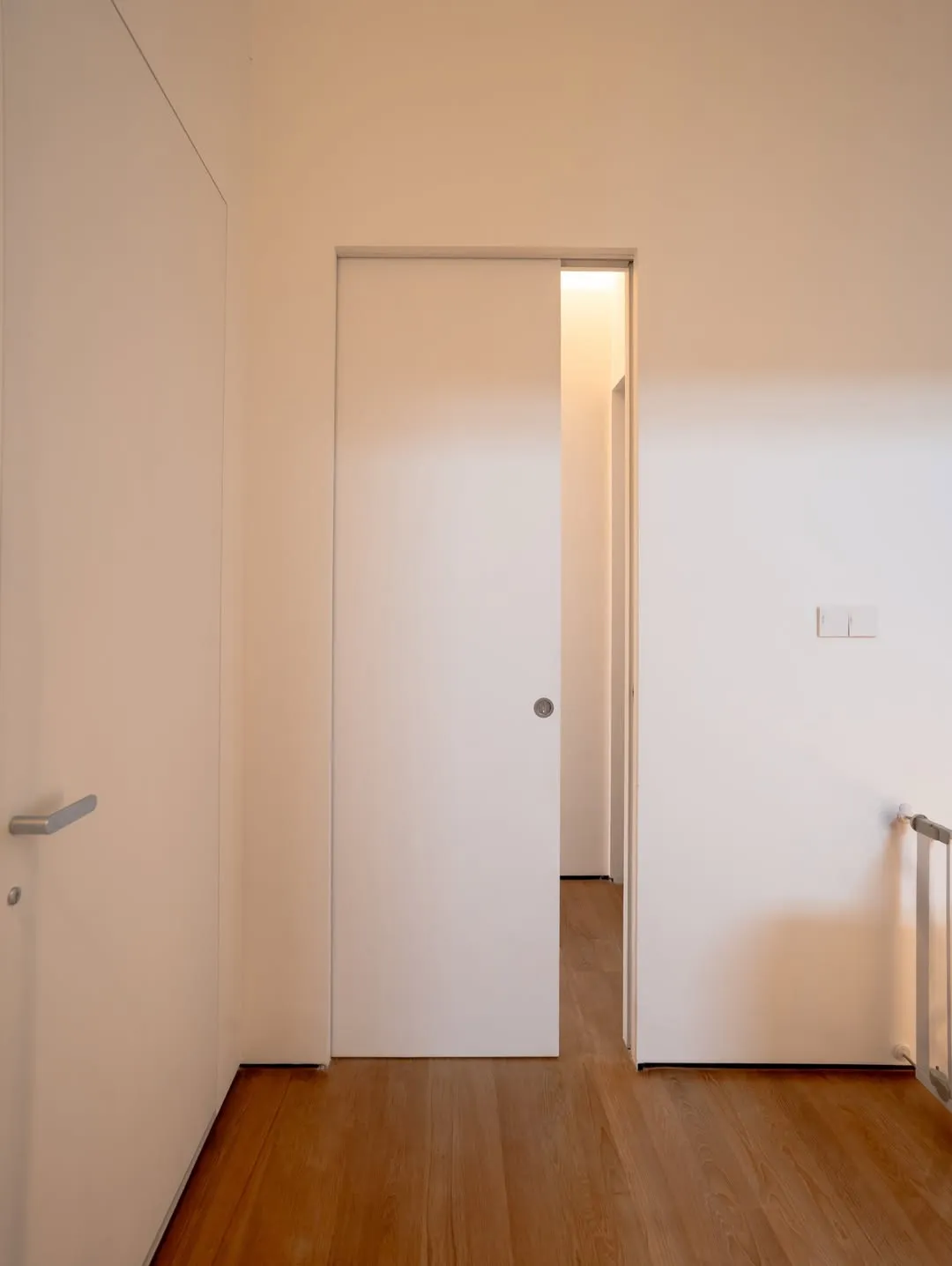
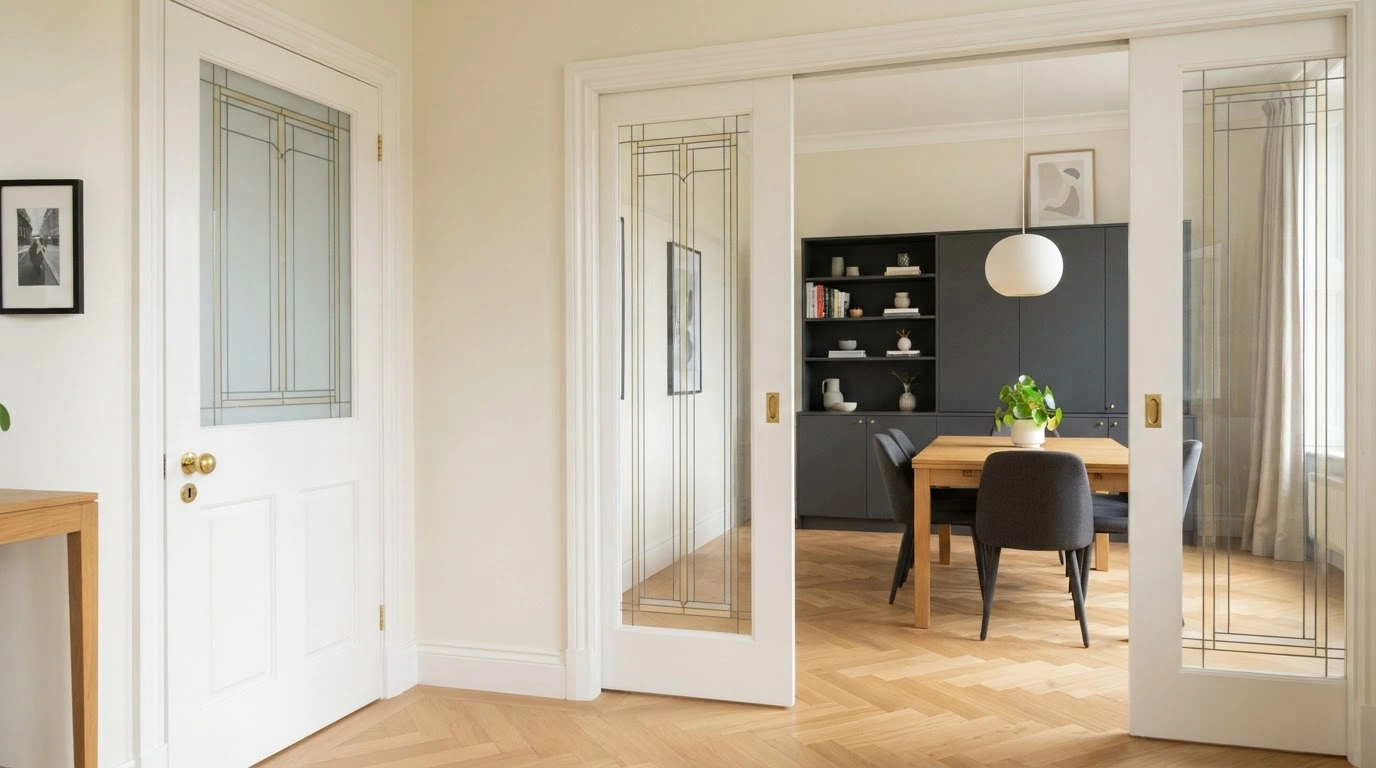
If you are looking for an alternative to sliding barn doors, you can opt for sliding pocket doors. This door opens into the wall cavity, making it completely invisible when fully open.
Sliding pocket doors are best for areas that have limited space. Unlike barn doors, they level with the surrounding wall or frame so that there’s little to no visible projection. They also blend well with the room and surrounding space.
Hinged Barn-Style Doors
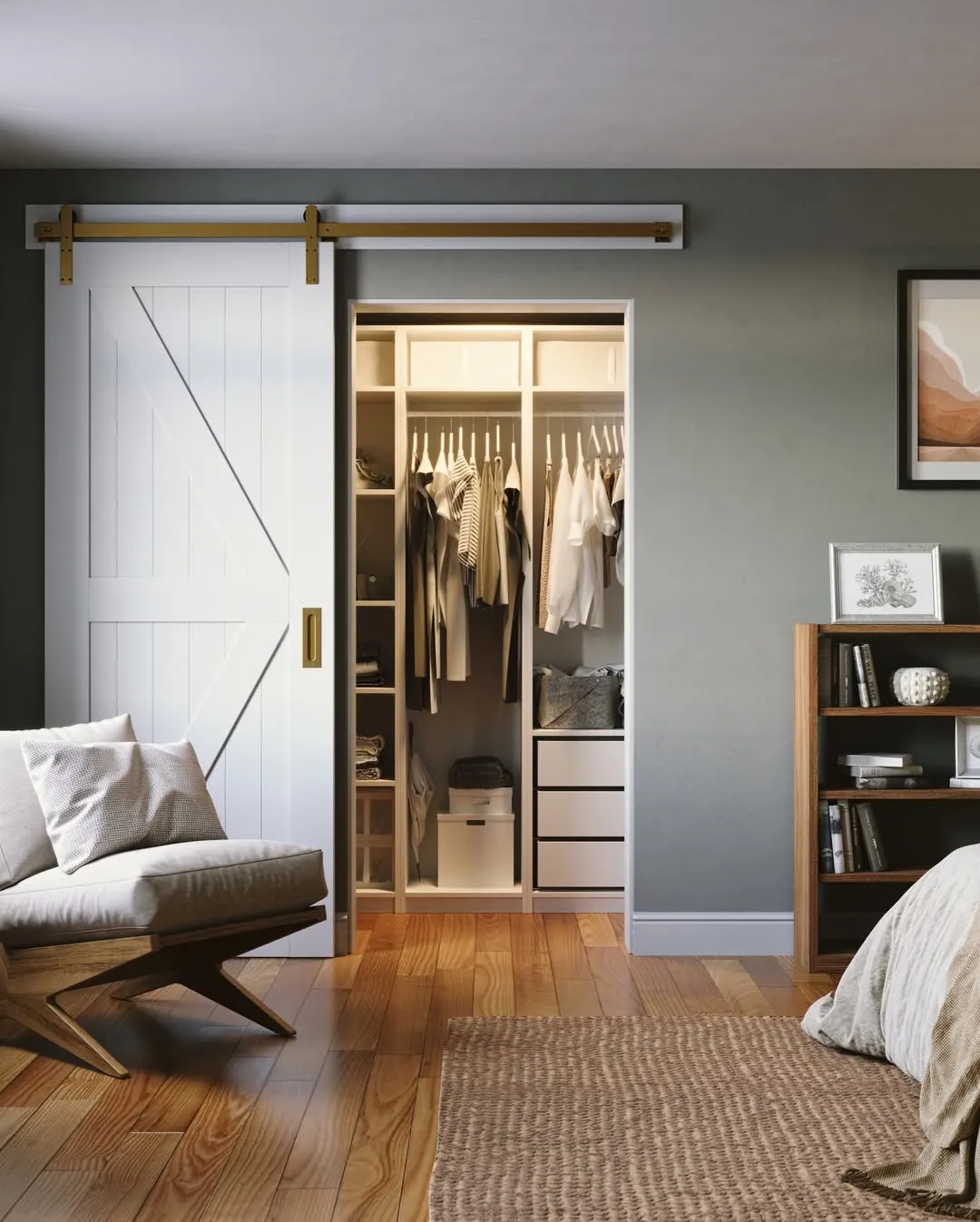
Hinged barn-style doors are also one of the most popular door types and a good alternative to sliding barn doors. They have the same rustic appearance as barn doors but function like a standard door. They swing open on hinges and work best in larger spaces with enough clearance around the door.
Conclusion
Sliding barn doors are versatile, offering both practicality and style. There are several options to choose from. You can choose from bi-parting, single, or even bypass doors, with different styles and patterns, depending on your home's interior. They're popular because they take up less space, which is great for tight areas like a narrow hallway. With all the advantages, privacy remains a concern, as there is always a gap between the doors.