

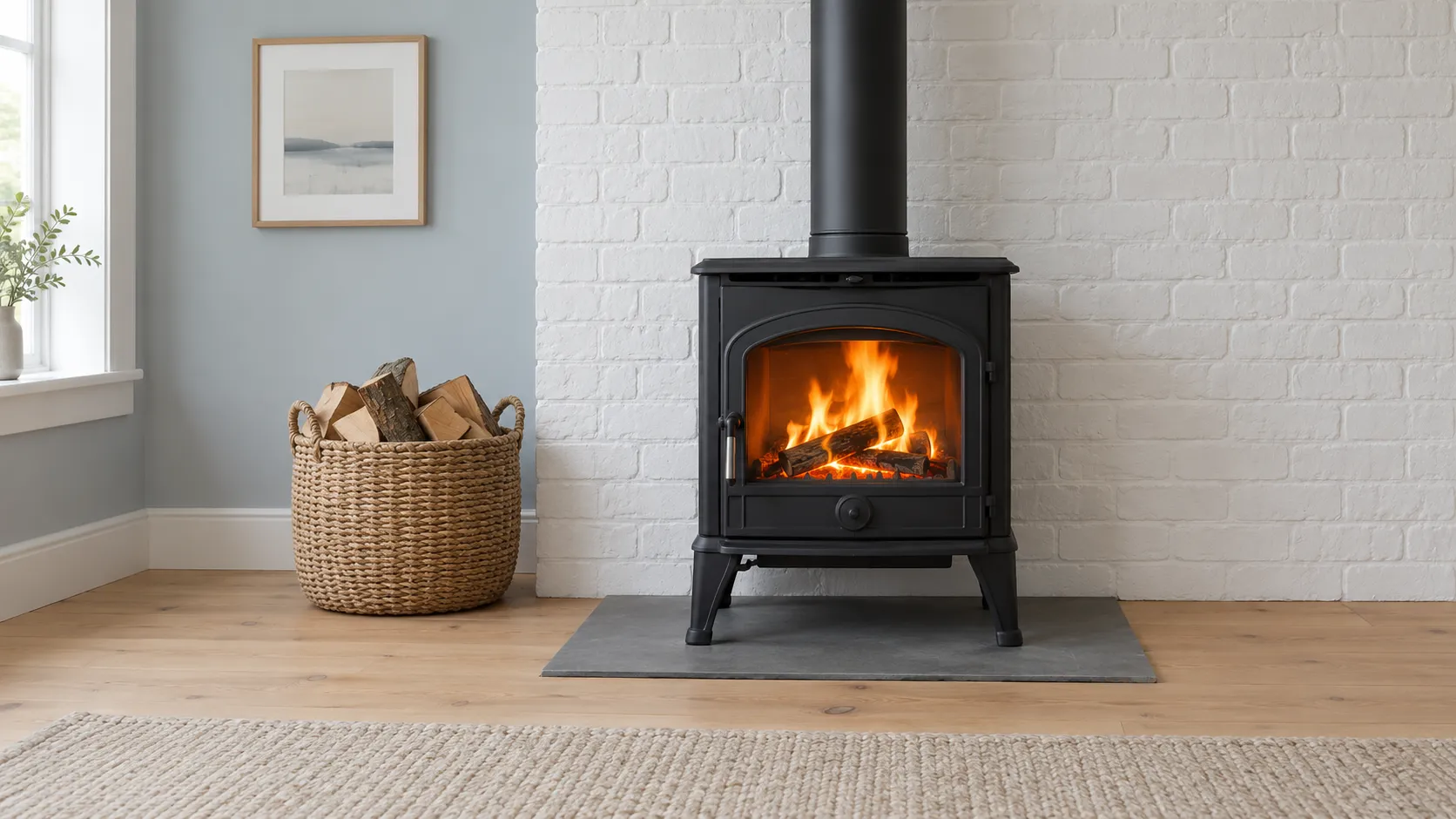
With the drop in temperature, homeowners often use wood stoves to warm themselves. However, the problem with these stoves is that they emit excessive smoke if not used properly and can also cause safety hazards. There are multiple reasons that lead to these problems, such as burning things that should not be burnt, overfilling the stove, and many others. This blog covers the list of things you should avoid burning in the wood stove and a few other tips to avoid fire hazards.
What Should You Never Do With a Wood Stove?
Homeowners often commit some mistakes that cause fire hazards. It usually happens due to a lack of adequate information regarding the items you should burn or avoid. Here is the list of the things you should avoid with a wood stove:
Don't Burn Unseasoned or Wet Wood
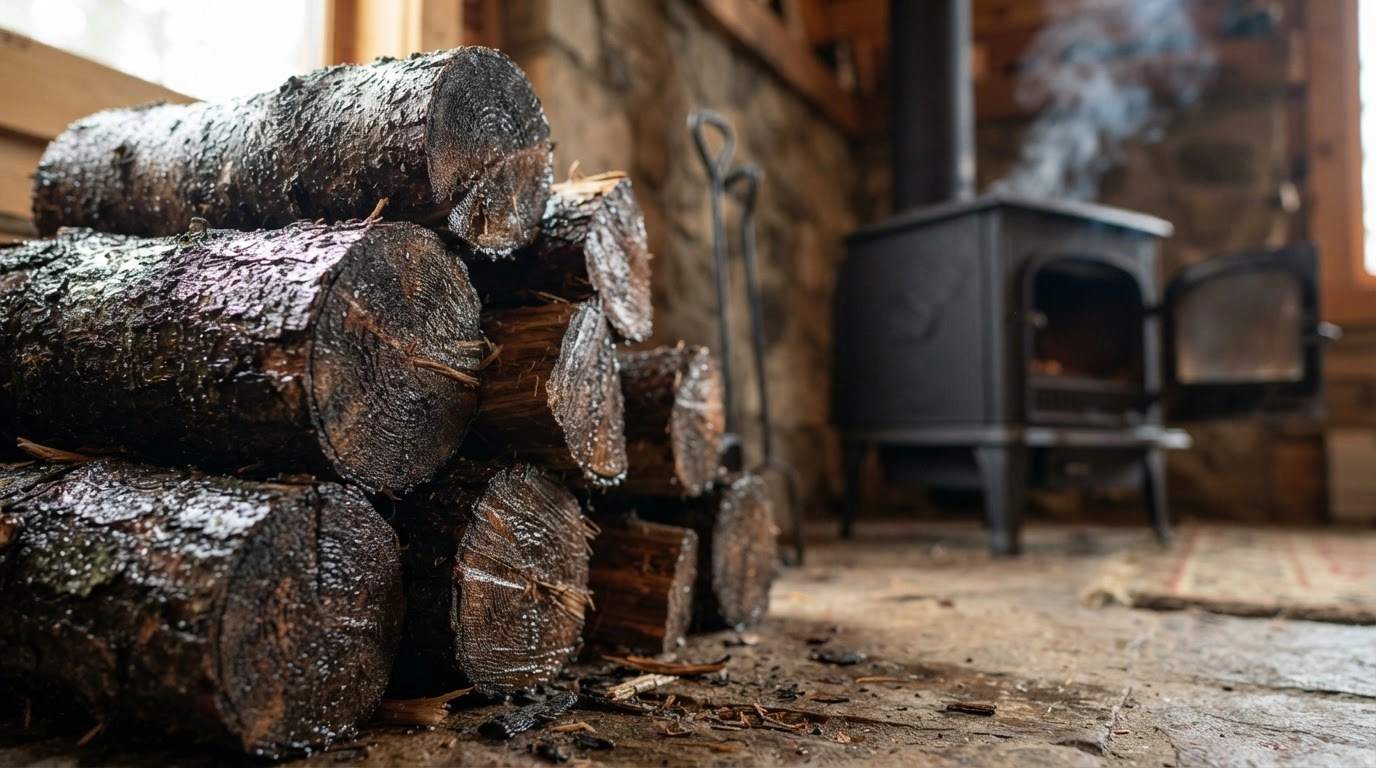
The wrong wood type can produce more smoke rather than heat. One such wrong item is “unseasoned or wet wood”. Wet wood has high moisture content that causes a smoky fire, resulting in less heat production and creosote build-up in the chimney. This build-up can cause a chimney fire.
| Some Tips | Always use wood that has been dried for at least 6 months and has a moisture level of less than 20%, which can be measured on a moisture meter. |
Don't Overload Wood in the Stove
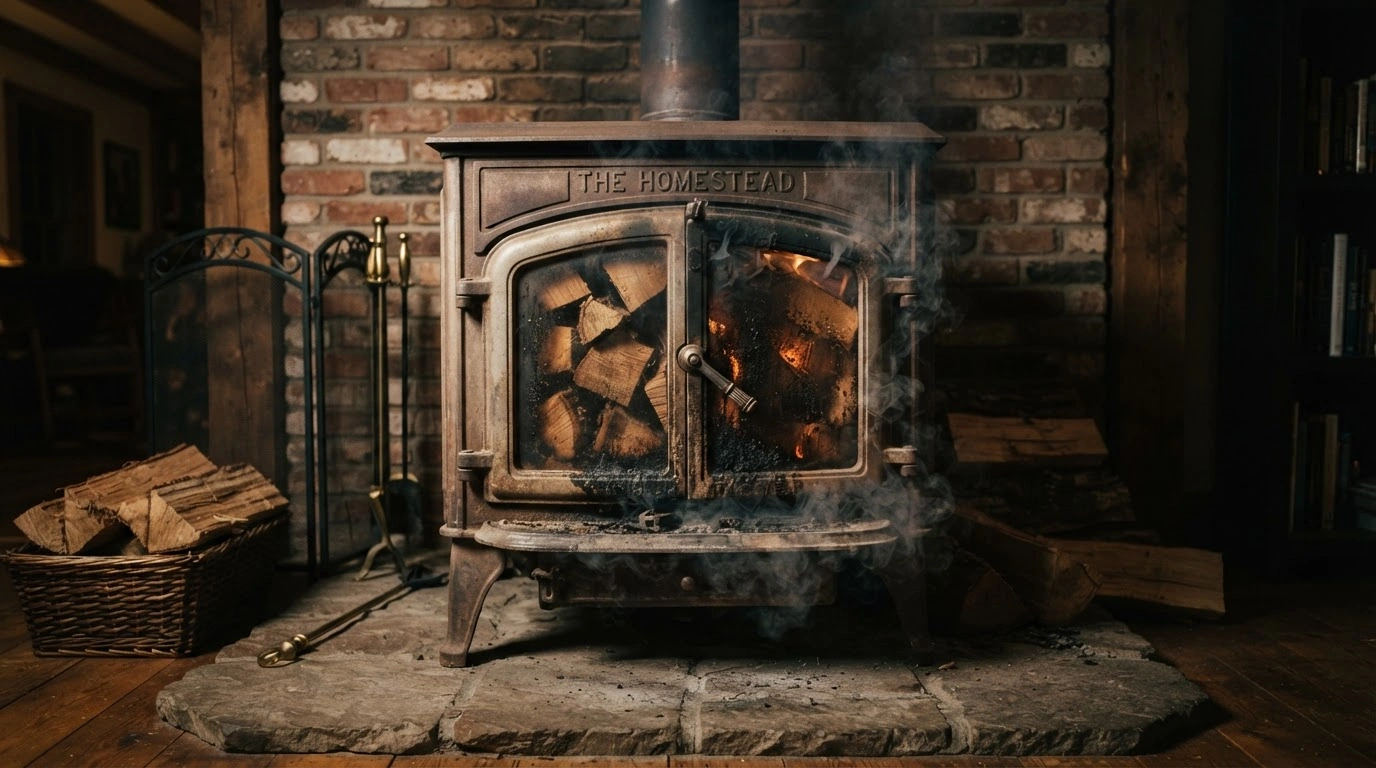
At times, homeowners tend to overpack the stove with wood in a rush to warm up things, without realizing that it could be highly dangerous. An overfilled stove hinders the airflow, producing more smoke and creosote build-up, which increases the risk of chimney fire.
| Some Tips | Wait until a few logs have burnt down and then add more wood to the stove. |
Never Place Combustible Items Too Close to the Stove
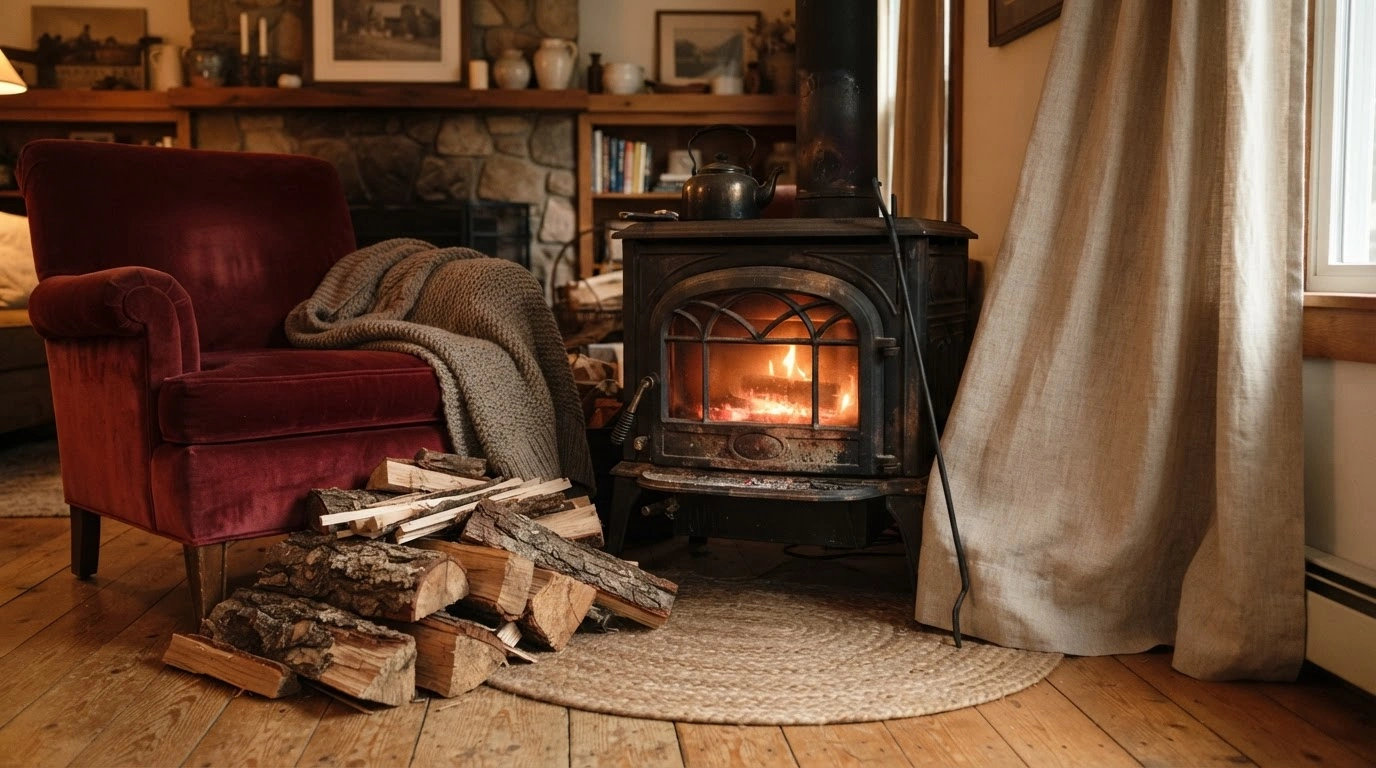
Place combustible items at a safe distance of 3 feet from the stove. Items such as furniture, curtains, decorative items, or even the wood used in the stove should be kept away from the stove to avoid fire.
| Some Tips | Check the wood stove regularly |
Don't Ignore Smoke or Carbon Monoxide Alarms
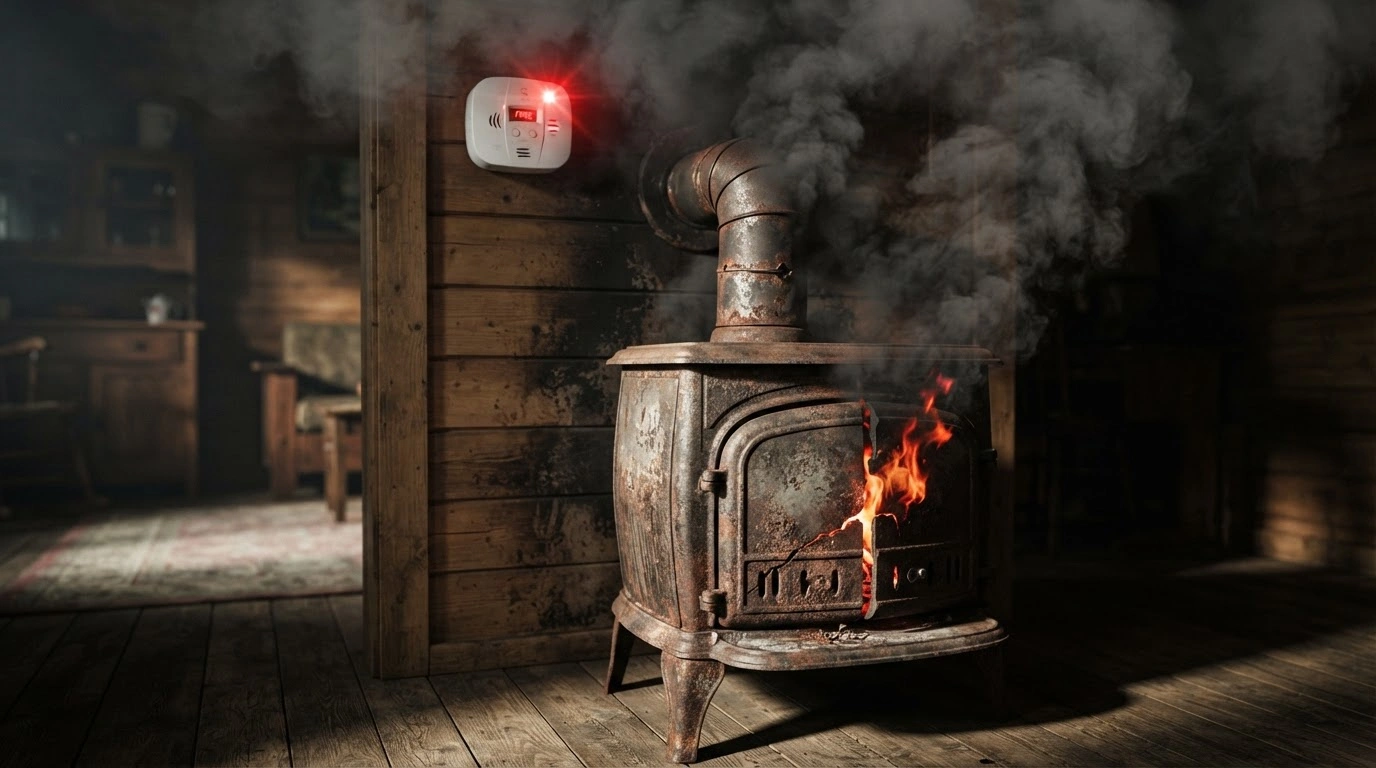
Despite regular maintenance, there could be a fire risk with wood stoves. Hence, never ignore any warning signs of smoke or carbon monoxide alarms because it may be an indication of a malfunctioning burner. These signs can be in the form of excess smoke or soot buildup, issues starting the fire, shooting out flames from the chimney, or any noise or smell from the stove.
| Some Tips | As soon as you notice any of these signs, stop using a wood stove and call a professional for inspection and repair to ensure safety from potential fire hazards. |
Don't Make DIY Modifications to the Stove or Chimney
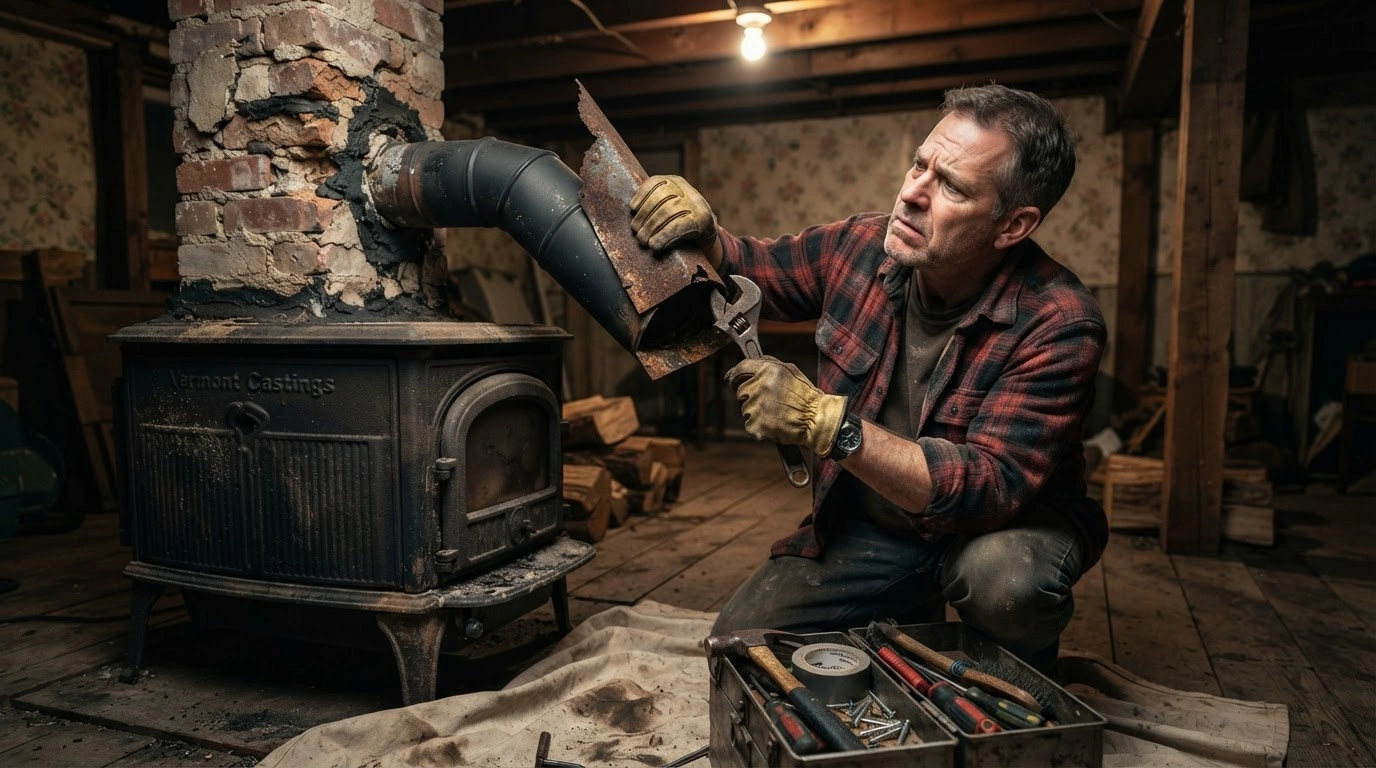
It is not recommended to make any changes to the stove or chimney because insurance companies have a clause that any repairs or changes should be done by a certified person only. If it is not done by a certified person and there’s any issue with the stove, the insurance company won’t settle the claim.
Don't Burn the Wrong Materials
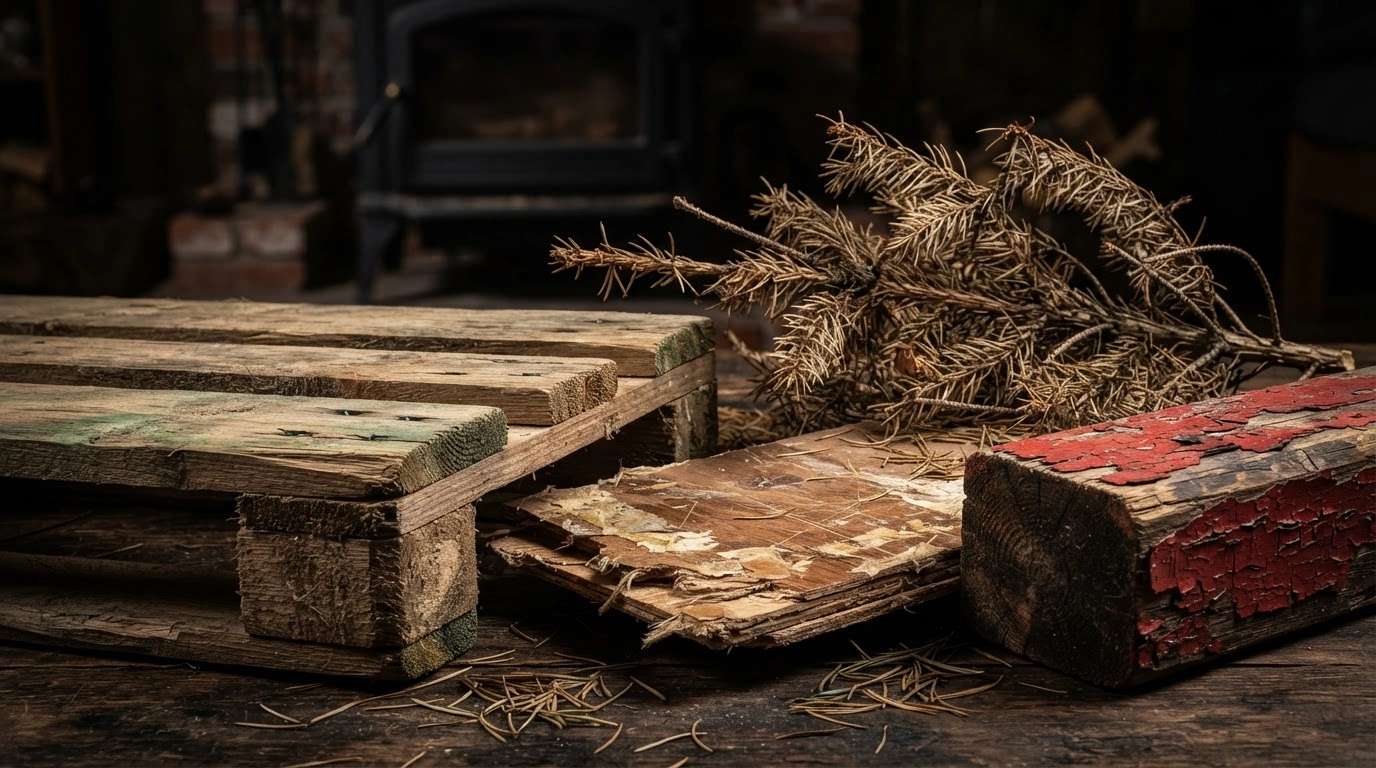
Burning the wrong material can cause the burner to emit more smoke, increasing the risk of fire. Therefore, knowing the things you should completely avoid can help. Here is a list of the items you should never burn in the wood stove:
- Wood Pallet- Wood pallets are mostly treated with preservatives, so when it is burnt, it emits harmful fumes, causing damage to the stove, human health, and the environment.
- Christmas tree- You may find it tempting to cut a Christmas tree and burn it, but never do that. This is because it contains resins and wax content that can cause permanent damage to the stove. Even the pine needles have high energy content, which is fatal for a stove.
- Old Furniture- Burning old furniture should be avoided because it contains plywood or chipboard or glues, which emit harmful fumes when burnt. Such fumes can damage human health and the environment, along with damaging the stove.
- Painted or Varnished Wood- When painted wood is burnt, the paint emits harmful chemicals, damaging the appliance and the flue. These fumes are highly toxic and can be harmful, especially for those with respiratory problems.
- Pressure-treated Wood- Avoid burning pressure-treated wood because it has preservatives that can cause health issues when burnt.
- Freshly Chopped Wood- Freshly cut wood has a high moisture content (around 80%), so burning such wood results in higher emissions of smoke. Therefore, let it dry for a few months, which may take 12-18 months.
- Plastics- It produces toxic chemicals and adds to the pollution, damaging your health and the environment; hence, don’t burn plastics.
- Construction Materials Containing Glue (Chipboard, Plyboard, or MDF)- Burning construction materials emits harmful gases because these materials have glue and curing chemicals. It can cause damage to the chimney liner as well as the appliance.
- Cardboard- It also contains glue and other resins, which is harmful to your health and the appliance. Hence, avoid burning cardboard.
- Waste- Don’t burn household waste in the stove because the stove is meant to burn dry wood fuel and not waste. These wastes emit harmful fumes, damaging the environment.
- Rotten Wood- Though rotten wood is not dangerous, when it is burnt, it releases an unpleasant odor.
How to Use a Wood Stove Safely
The safe use of a wood stove can add to the coziness in extreme cold weather without the fear of fire hazards. Here are some of the tips to safely use a wood stove:
- Keep flammable materials at least 3 feet away from the wood stove.
- Get the chimney cleaned regularly by a professional.
- Collect ashes of the burnt wood in a metal container with a lid and place it 10 feet away from your home.
- Open the door of the stove only while loading or stoking the live fire. Otherwise, keep it closed.
- Always place the stove on an approved stove board.
- Get the stove chimney and flues inspected at the beginning of the season. If any cracked flue liners or broken or missing bricks are noticed, get the repair done immediately.
- Check the moisture content of firewood because moisture content of more than 20% can emit harmful fumes, causing health hazards.
- Maintain a clean chimney and flue for smooth functioning of the wood stove system.
Conclusion
A wood stove is commonly used in winters across the cities to keep the indoors warm. It is a safe option, but only if you consider a few safety tips discussed in this blog, such as burning completely dry wood and avoiding burning painted wood and many more similar items. It will save the appliance, as well as your health and the environment, from damage.