
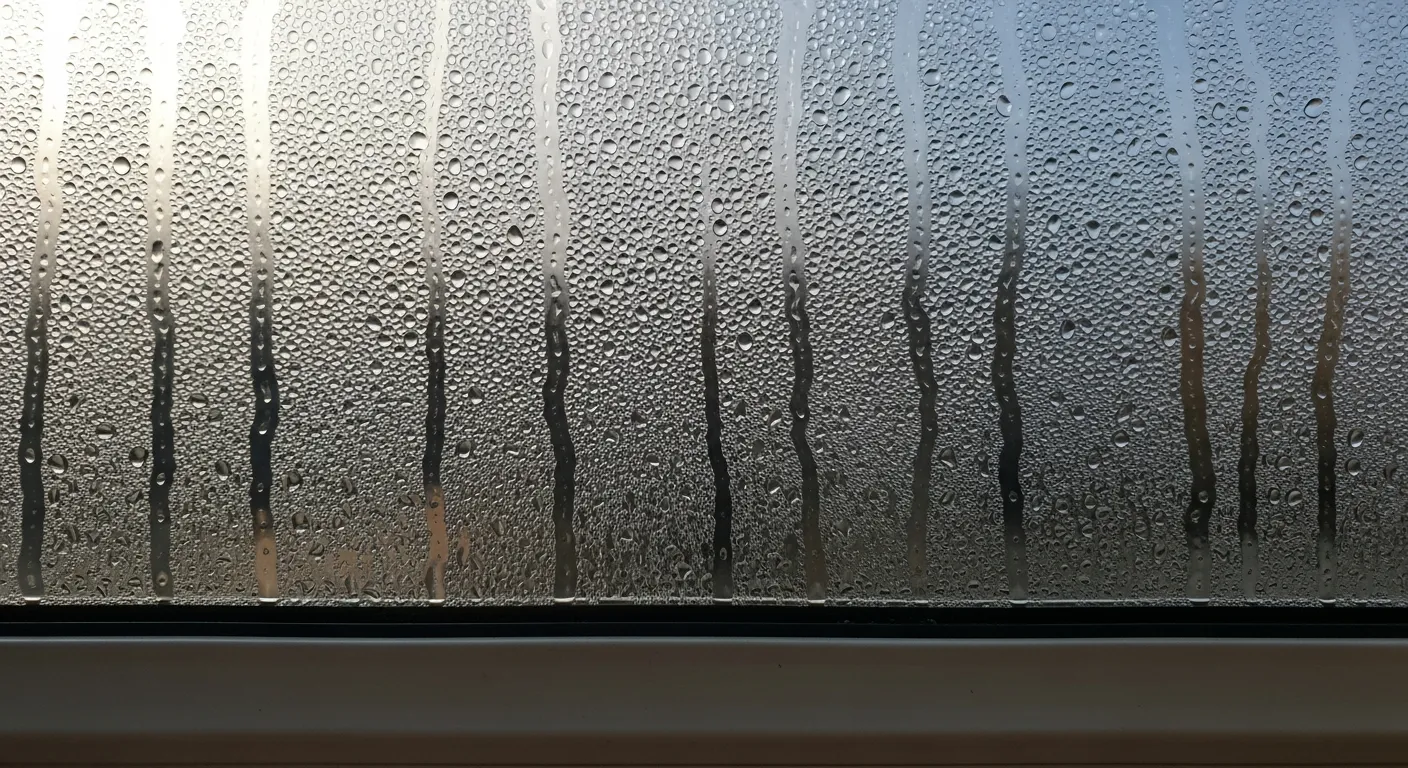
Imagine that you wake up on a damp autumn or winter morning and look out of the window for a beautiful view, but you end up with a hazy view due to a film of water droplets. This is a common sight, especially during winter or autumn. Whether condensation happens on the inside or outside of the window, the main reason is a temperature and humidity difference. This blog explains the factors that cause condensation on your windows and tips to tackle this problem.
What is Condensation?
When humid air comes into contact with a cold surface, the air's humidity condenses into tiny water droplets; this is called condensation. It takes place on windows, as their surfaces are colder than those of insulated walls.
Problems Caused by Window Condensation
Condensation might not seem to be a major problem, but if ignored for a prolonged period, it can cause bigger problems. A few problems caused by condensation on windows include:
Mold Growth
If windows remain damp for a long time, mold can grow, affecting indoor air quality and posing health risks. This happens because mold prefers a damp environment.
Injury to Windows and Nearby Areas
Continuous moisture buildup can cause the paint to peel, warp wooden frames, and damage the wall structure around your windows.
Poor Insulation
If condensation occurs regularly, it indicates poor insulation or sealing around your windows, which can cause heat loss in winter and cool air loss in summer. This will make the home feel uncomfortable and may increase your energy bills.
Increased Wear and Tear of Windows
Continuous condensation can damage your windows, especially if moisture enters the gaps or joints. In the long run, it can damage the windows' structural integrity, requiring an early replacement.
What Causes Window Condensation?
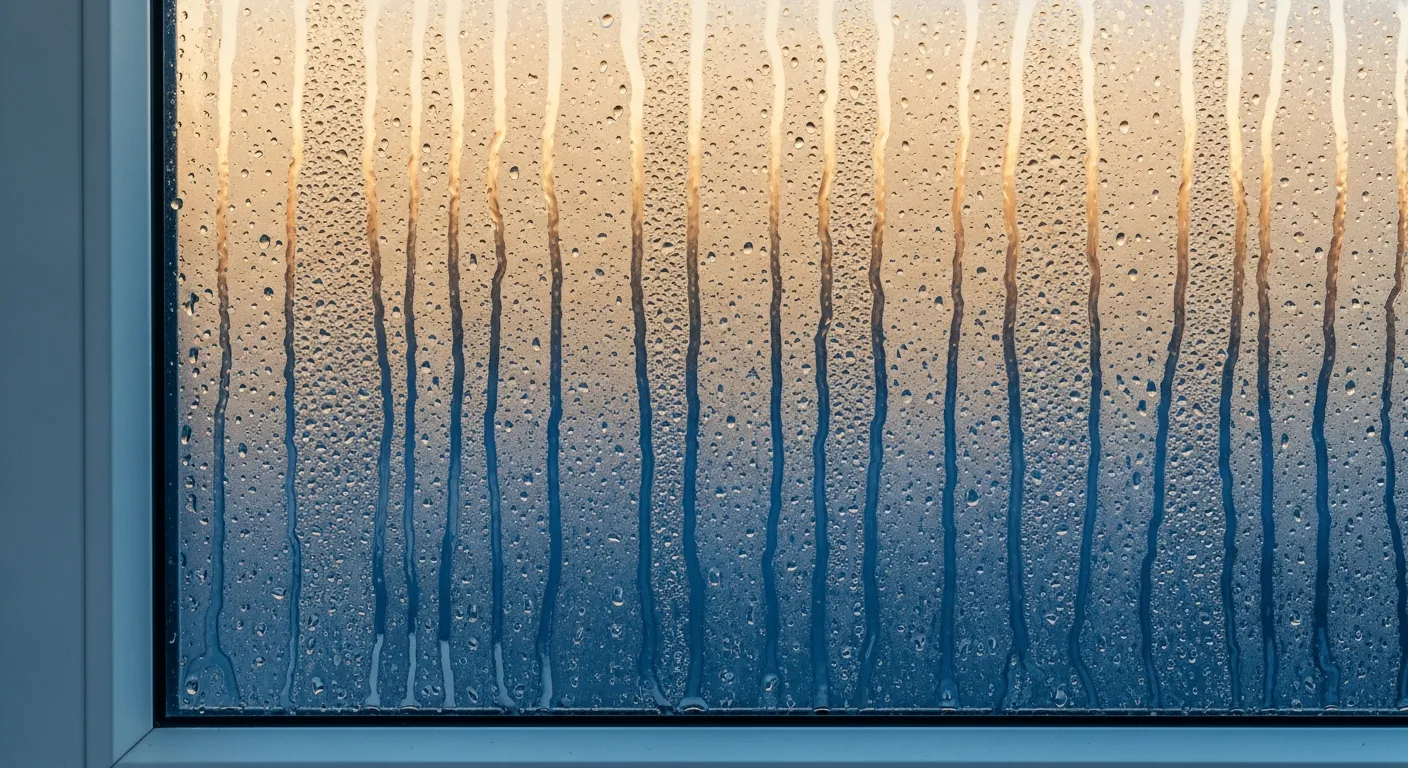
Before solving the problem, let us first understand why condensation happens. Here's why this occurs:
Temperature Difference
When it's cold outside, your windows are among the coldest surfaces in your home. When warm air from inside comes into contact with the cool window surface, condensation occurs.
High Humidity Levels
Window condensation is usually seen in homes with higher indoor humidity than outdoor humidity. Moisture is released into the air with activities like cooking, bathing, and even breathing.
Improper Ventilation
If air doesn't flow properly, then it may cause moisture buildup and increase the chances of condensation.
Ineffective Windows
Older or single-pane windows lack proper insulation, making them more prone to condensation. To tackle the problem, consider upgrading to energy-efficient, double or triple-pane windows.
Seasonal Changes
When indoor heat clashes with the cold outside, a large difference in temperature can lead to intense condensation.
Overuse of a Humidifier
Overuse of humidifiers can cause excess moisture in indoor air, increasing the risk of condensation, especially on cooler surfaces and windows. Make sure to adjust the humidifier settings to maintain an adequate indoor humidity level to reduce the problem.
Condensation on Inside Windows: Causes and Prevention
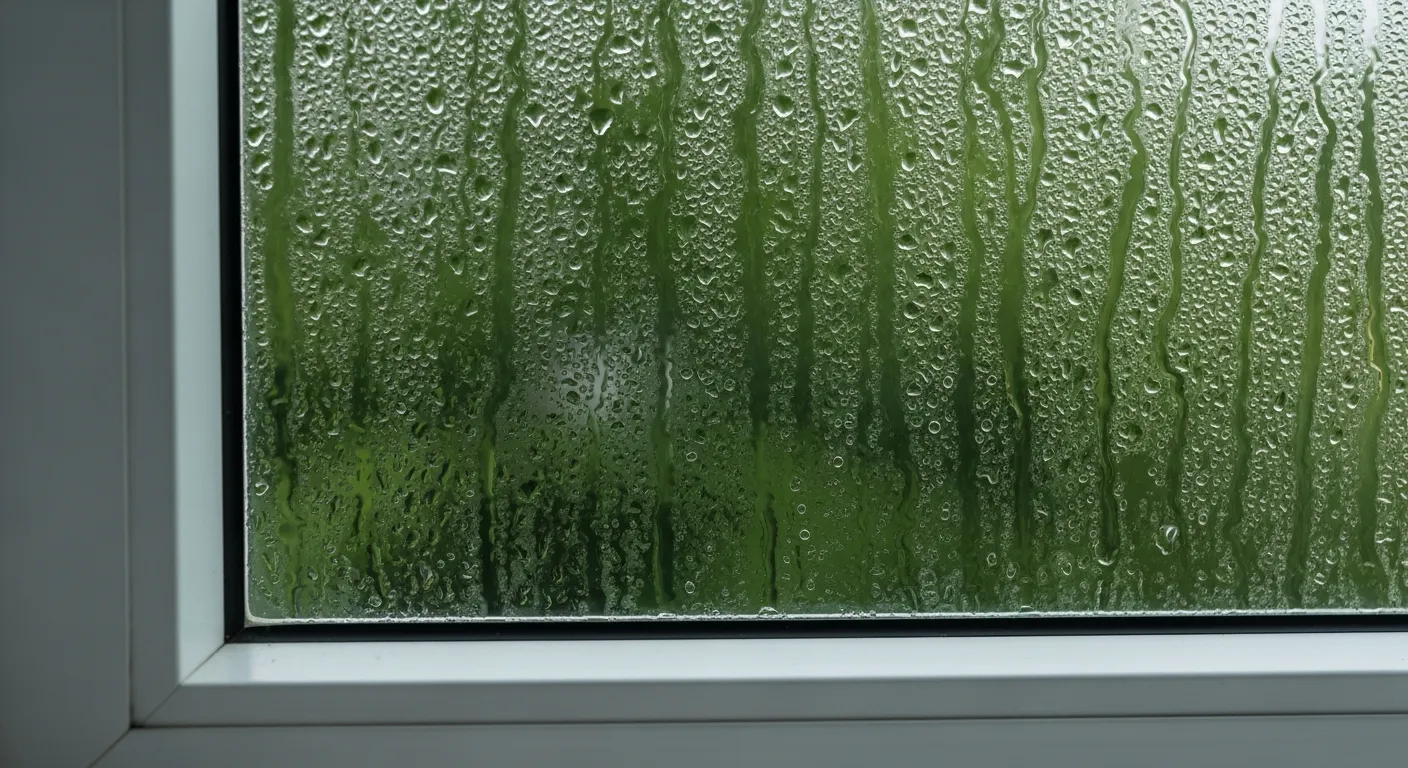
Condensation on the inside of your windows can be annoying, leaving drops on the floor, blurry outdoor views, and even frozen glasses. Before you tackle this problem, let us first understand the cause of indoor condensation.
Cause:
Condensation on the inside of your windows happens because of the humidity inside your home. Humidity is moisture released into the air during cooking, showers, laundry, and even breathing.
Prevention:
- Ensure venting of all gas appliances, clothes dryers, and exhaust fans is done to the outdoors. Ventilate your attic and crawl space. Using a good vapor barrier, cover the crawl space floor.
- Turn on the exhaust fans while cooking in the kitchen. Turn on the bathroom fans when you take a shower. Let the fans run until your mirror is clear, but make sure to turn them off on time so they don't overheat.
- Keep the window drapes open during the day so warm air can escape through the windows.
- Turn on the ceiling fans to ensure better airflow.
- Consider keeping firewood outside your home or basement.
- If there's a forced-air furnace, ensure your home is well-ventilated with a fresh-air intake installation. If your home is small, consider installing an air-to-air heat exchanger.
Condensation on Outside the Windows: Causes and Prevention
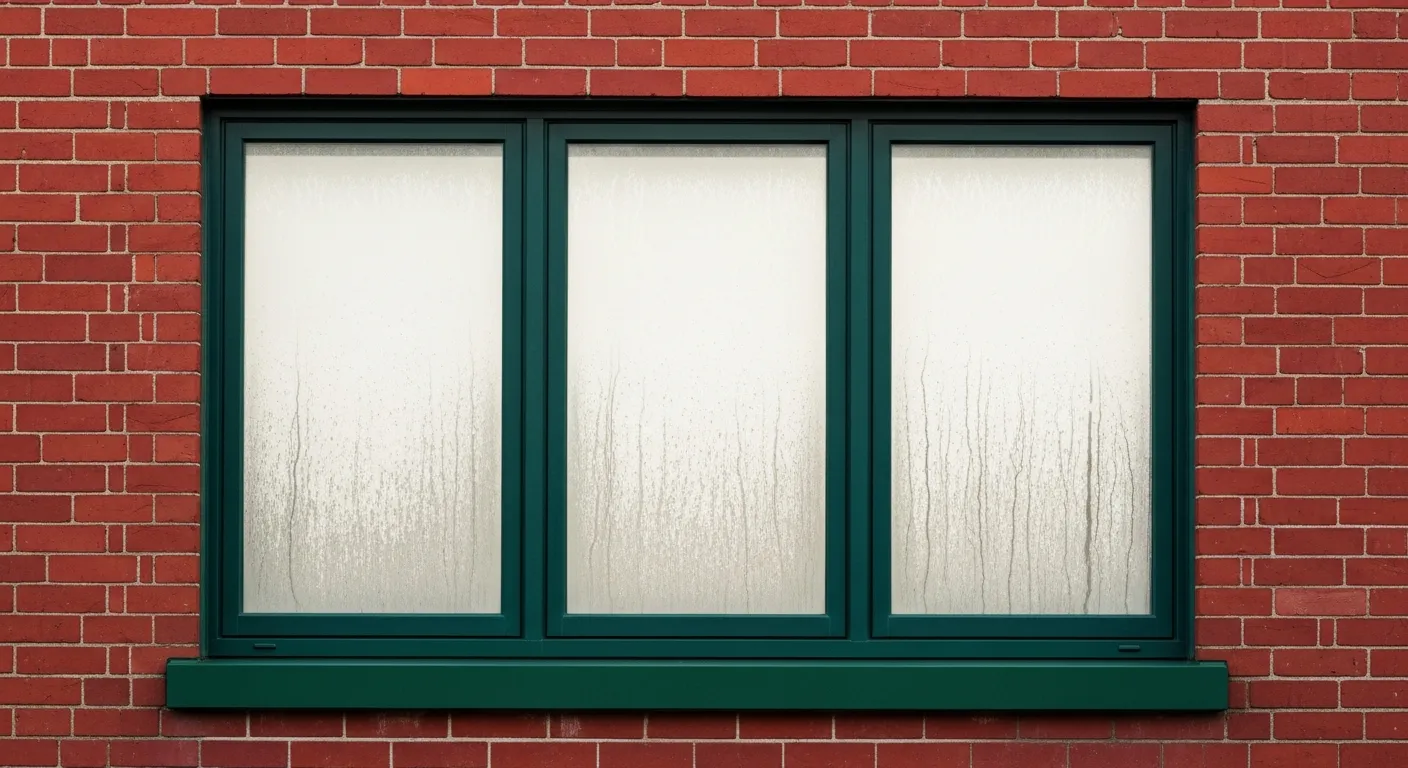
Just as grasses get wet on summer mornings, the windows also condense from dew.
Cause:
Condensation on the outside of your windows occurs when the glass is cooler than the dew point (the temperature at which water vapor condenses into liquid water droplets). The window on the outside experiences condensation during the spring and fall mornings when humidity is higher and nights are cooler than days.
Prevention:
There's no need to worry about the condensation that happens on the outside of your windows. This usually happens because of dew and will dry up as the sun rises.
Condensation Between Window Panes
The main reason condensation happens between window panes is because of a seal failure. If the seal gets damaged, it may allow moisture to seep in between the glass. Therefore, if you notice condensation between your window panes, consider replacing the window.
Conclusion
Window condensation is typically caused by high humidity, temperature differences, seasonal changes, and other factors. However, there's nothing to worry about with occasional condensation. However, if it happens regularly, there is a risk of window damage, mold growth, and energy waste. The good news is that window condensation can be easily prevented through simple ways like proper ventilation, turning on the exhaust fans, etc. A proper understanding of causes will help you to reduce window condensation.