If you prefer a simple, unique house with an open floor plan, minimal decoration, earthy colors, and more, Mid Century is the perfect style for you. This style, known for its timeless design, simplicity, and connection to nature, emerged after World War II and has since become one of the most popular. This blog highlights the key features of mid-century houses, their history, and the different styles.
History of Mid-Century Houses
The American lifestyle shifted after World War II. They started prioritizing comfort, family time, and a closer bond with nature. Mid-century modern houses that spread across America's suburbs brought this lifestyle shift to life. These houses had large windows with views of the garden and backyards, open living spaces for family time, and some technological upgrades. These upgrades, usually in the kitchen, made the homeowner’s work easier by reducing the time spent cleaning and giving more time to spend with family.
Different Styles of Mid-Century Houses
The mid-century modern architecture can be divided into three styles:
International
This architectural style was heavily influenced by international architects who focused on simplicity, with almost no decoration. The homes were generally finished with stucco.
Contemporary
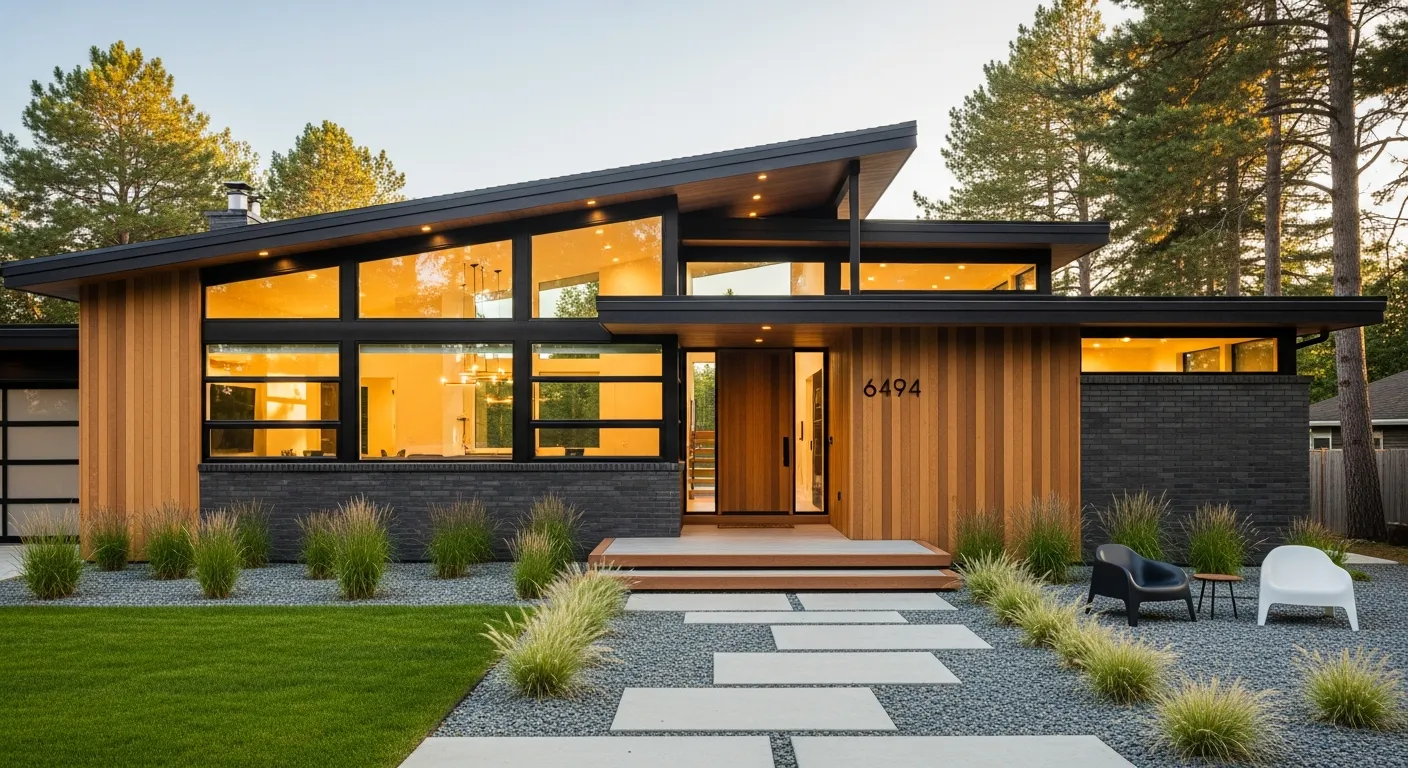
Modern, contemporary homes are known for clean lines, tall windows, and the use of organic materials like wood, brick, and stone. Most contemporary homes also have asymmetrical exteriors, with windows that reach the roofline, and exposed ceilings and beams in the interior.
Organic
Many architects focused on blending the house into the natural surroundings. They used natural shapes inspired by their surroundings rather than sharp lines and right angles. Therefore, organic mid-century houses built in different areas would look entirely different. An organic midcentury house built in the desert would have a completely different look from that built in the forest.
Features of Mid-Century Style Houses
Here are some key features of mid-century modern houses:
Clean Lines
Clean, straight lines are a key feature of mid-century modern architecture. This style uses flat panes and geometric shapes to create spaces that look orderly yet simple.
Use of Natural Materials
Mid-century modern houses use natural materials like wood, stone, and glass. These materials are either untreated or partially finished to retain their natural beauty and appear authentic.
Open Floor Plans
The open floor plan is indeed another vital feature of mid century homes, which gained popularity because it created a sense of spaciousness and a seamless flow from one room to another. This natural flow of spaces allowed easier communication between family members.
Connection With Nature
Large windows and glass sliding doors are common elements of mid century modern houses. These features let natural light into the house and provide a clear view of the outdoor area, such as the garden and backyard. All these help in creating a better connection with nature.
Functional Furniture Design
Furniture designs are an important feature of mid-century interiors; hence, iconic pieces like the Eames Lounge Chair and the Noguchi Coffee Table are perfect choices for such homes, serving both form and function.
Variation in elevation
These homes are split-level and have varying elevations. Like all split-level homes, mid-century homes feature staircases connecting all the rooms of the house, and walls are divided by brick or glass. The cabinets and fireplaces in the middle of the room add to the authentic split-level look.
Timeless Ideas To Create A Mid-Century Style House
1. Clean Lines Displayed Through Natural Materials
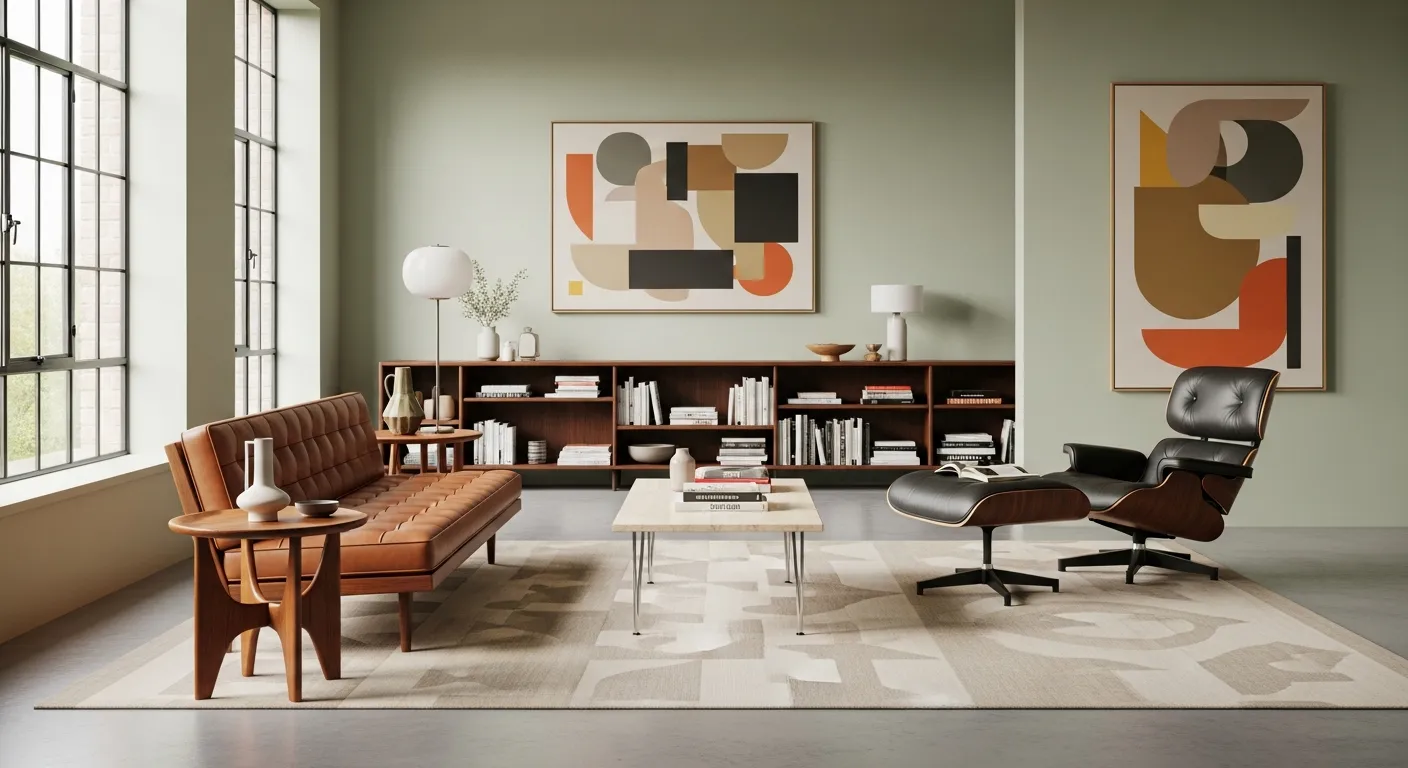
Mid-century modern style eschews fussy design; instead, it features clean, simple lines realized in natural materials that create a sleek, sophisticated look. Mid-century style is also a statement.
2. Use Mid Century Materials
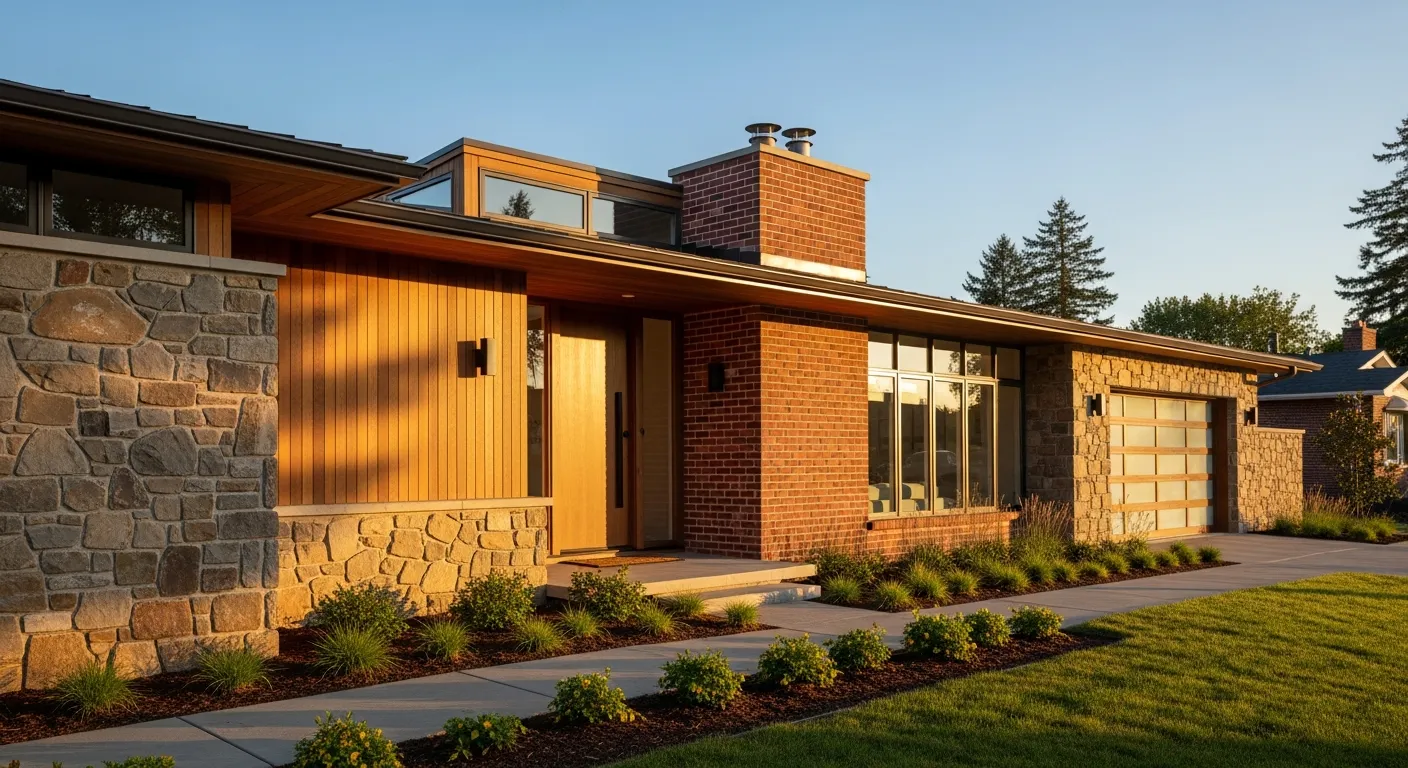
Using natural materials like wood, brick, and stone is one of the key features of mid century houses. The natural appearance, durability, and authenticity of these materials give the home a timeless look. Using any of these materials brings the mid-century aesthetic to life, but using all of them together in the house creates the true feel of a mid-century space.
3. Use Classic Mid Century Furnishing
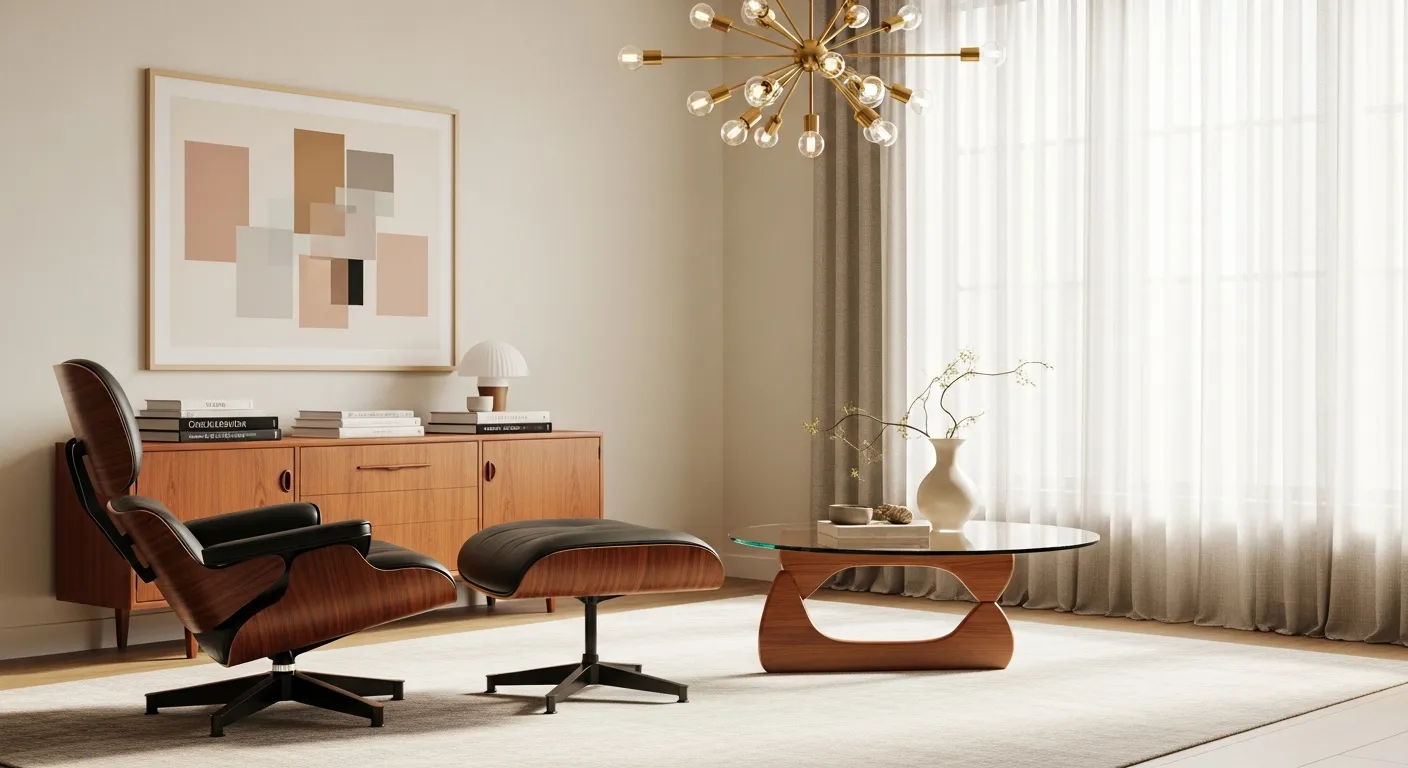
Though mid century design seems quite extensive, adding a few elements like classic furniture, decorations, and a few design ideas can simply help you achieve the mid century look without a complete renovation.
4. Use an Authentic Warm Color Palette
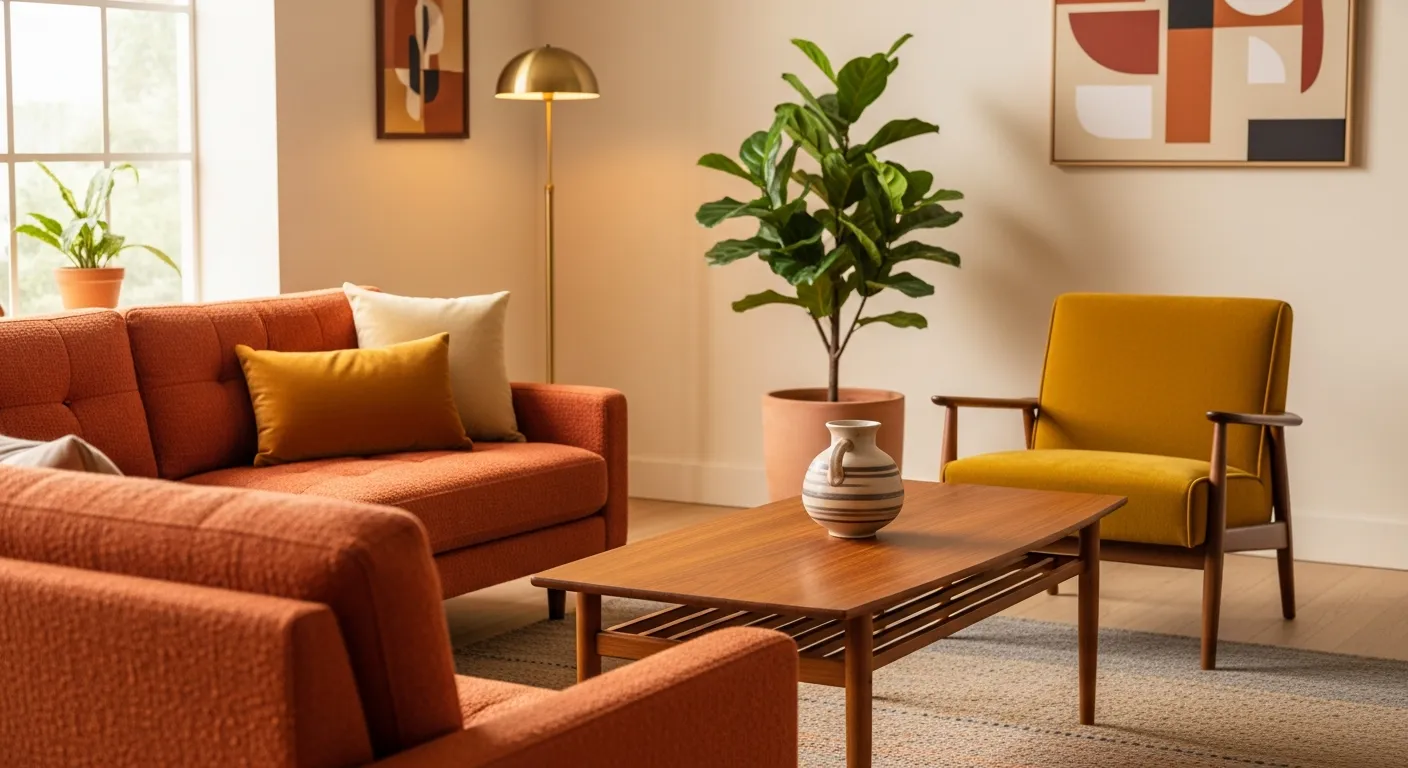
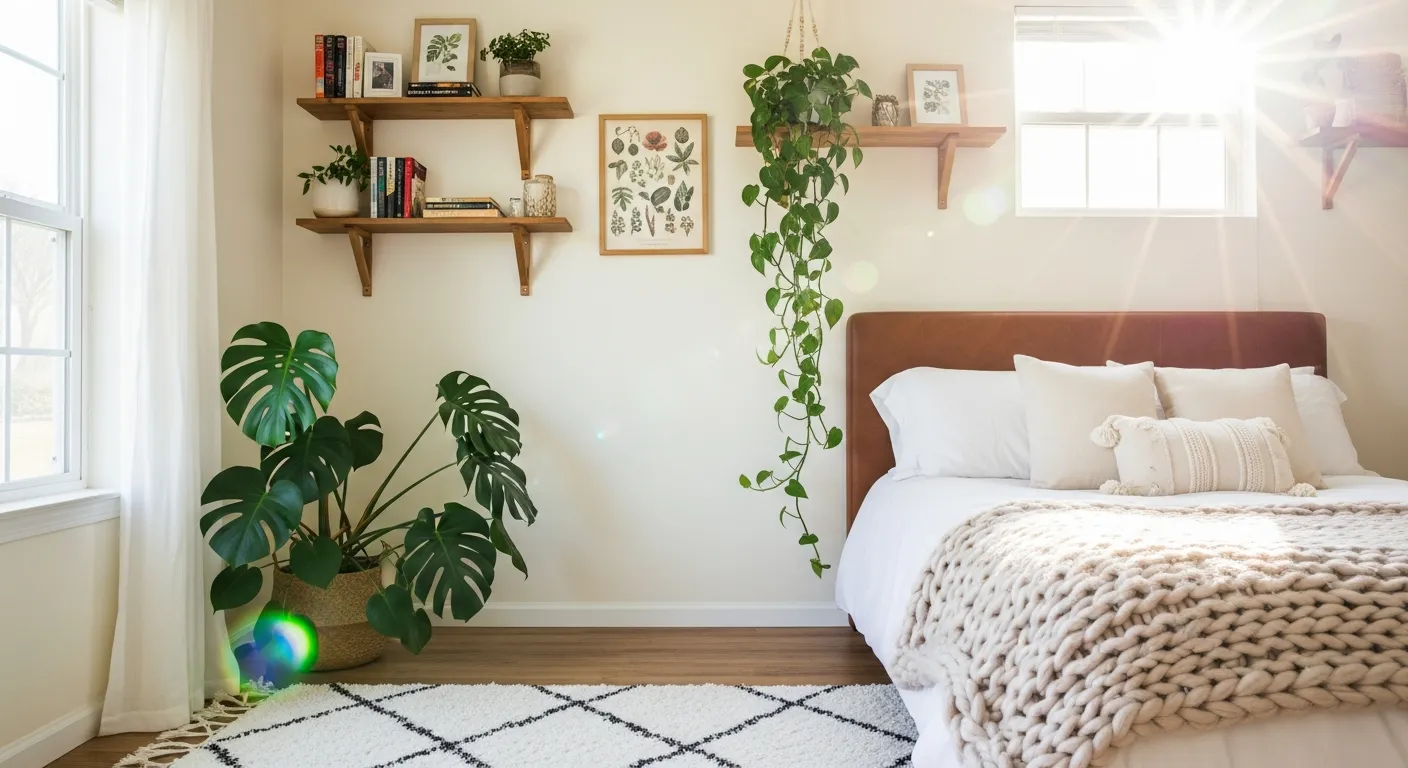
Mid-century designs are identified by their typical color palettes, such as shades of brown, orange, and yellow. These colors are also paired with others to transform your home into an inviting, warm, and timeless space.
5. Use Minimal Accessories
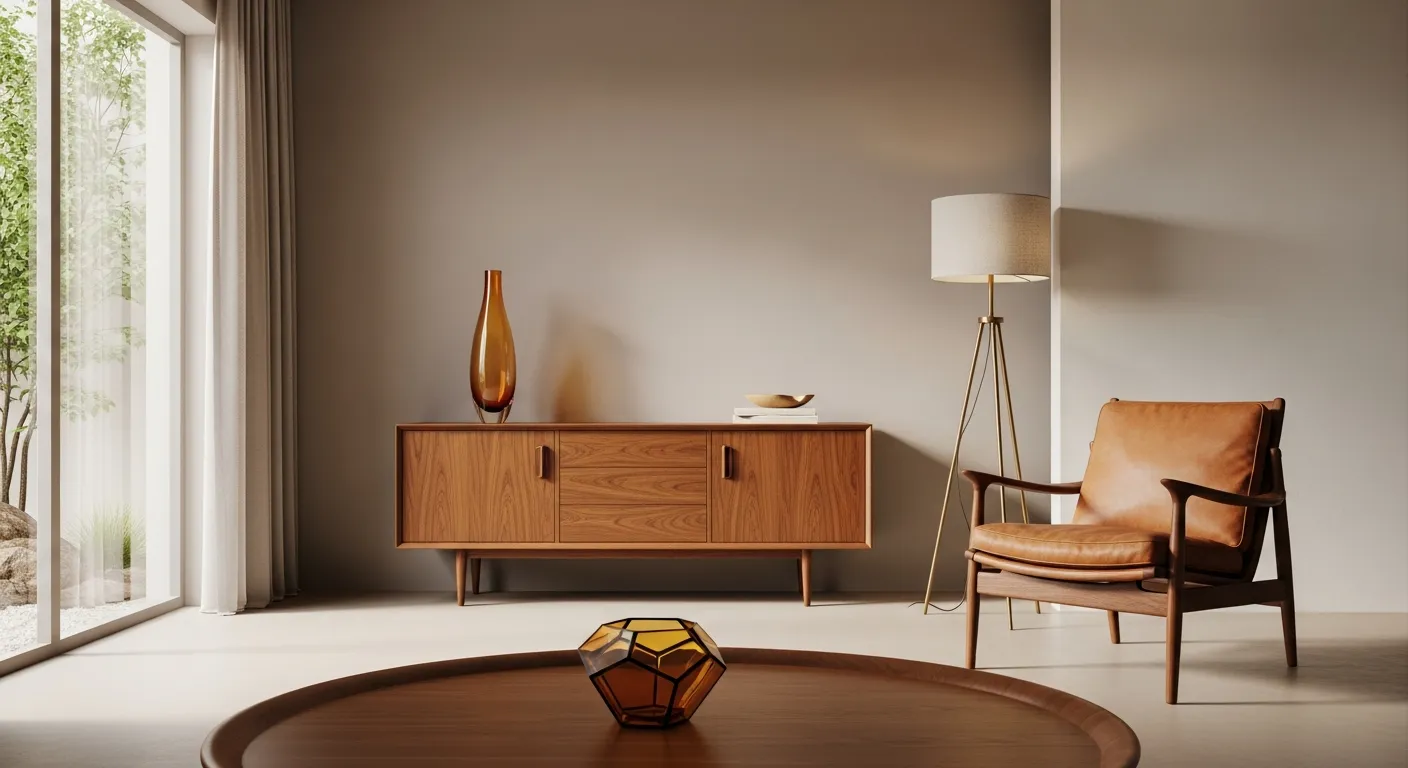
Irrespective of the mid-century style you choose, a thoughtful, selective selection of accessories is important. The main focus should be on furniture, with other accessories secondary. This minimal use of accessories, like handblown glass pieces, simple yet statement lighting, and case pieces, brings out the true essence of mid-century vibes.
6. Let the Furniture Get All the Attention
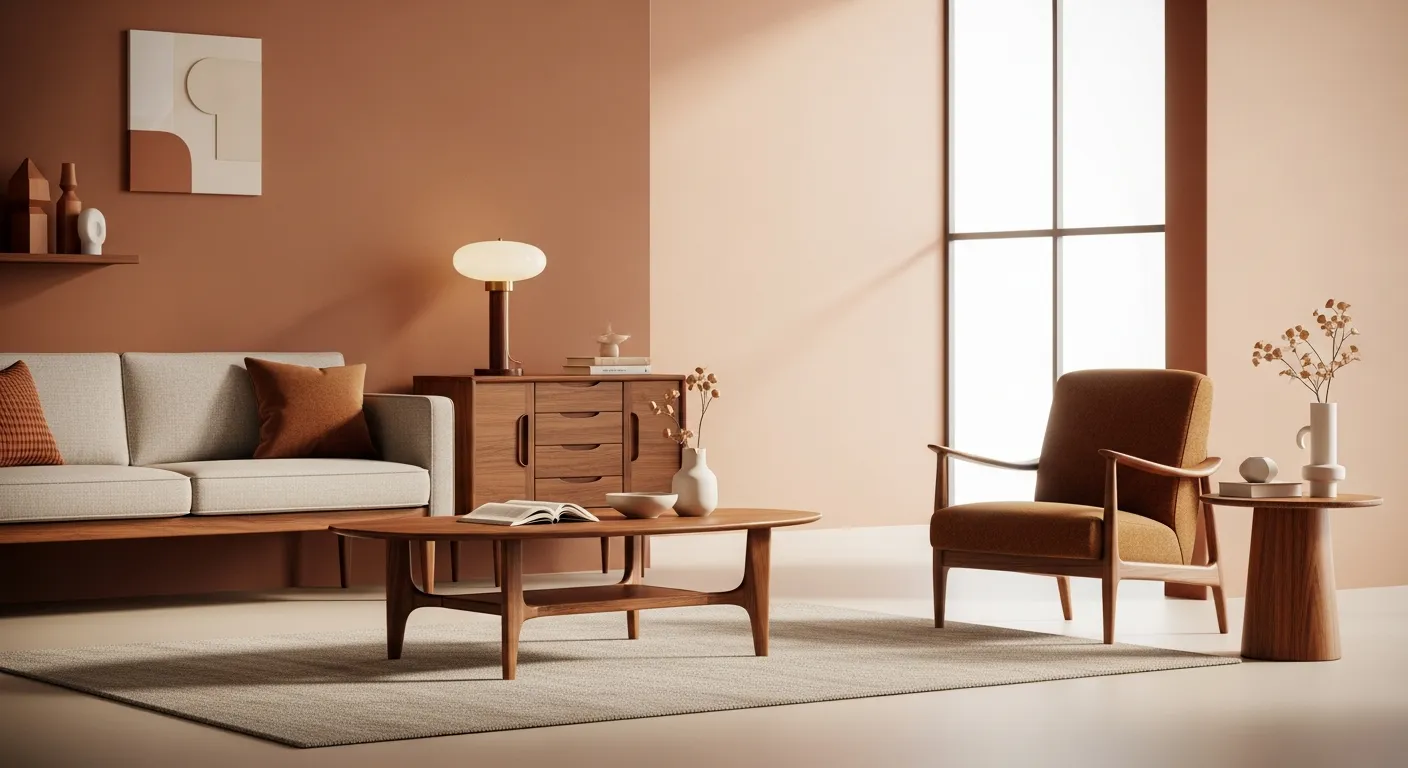
Styling a mid-century home is a challenge, due to the use of unusual materials and the desire to maintain a balance between form and shape. A simple, warm backdrop lets the furniture and decor pop and become the focal point. The best way to achieve a balanced look is to mix vintage furniture with simple furnishings.
7. Add a Statement Lighting
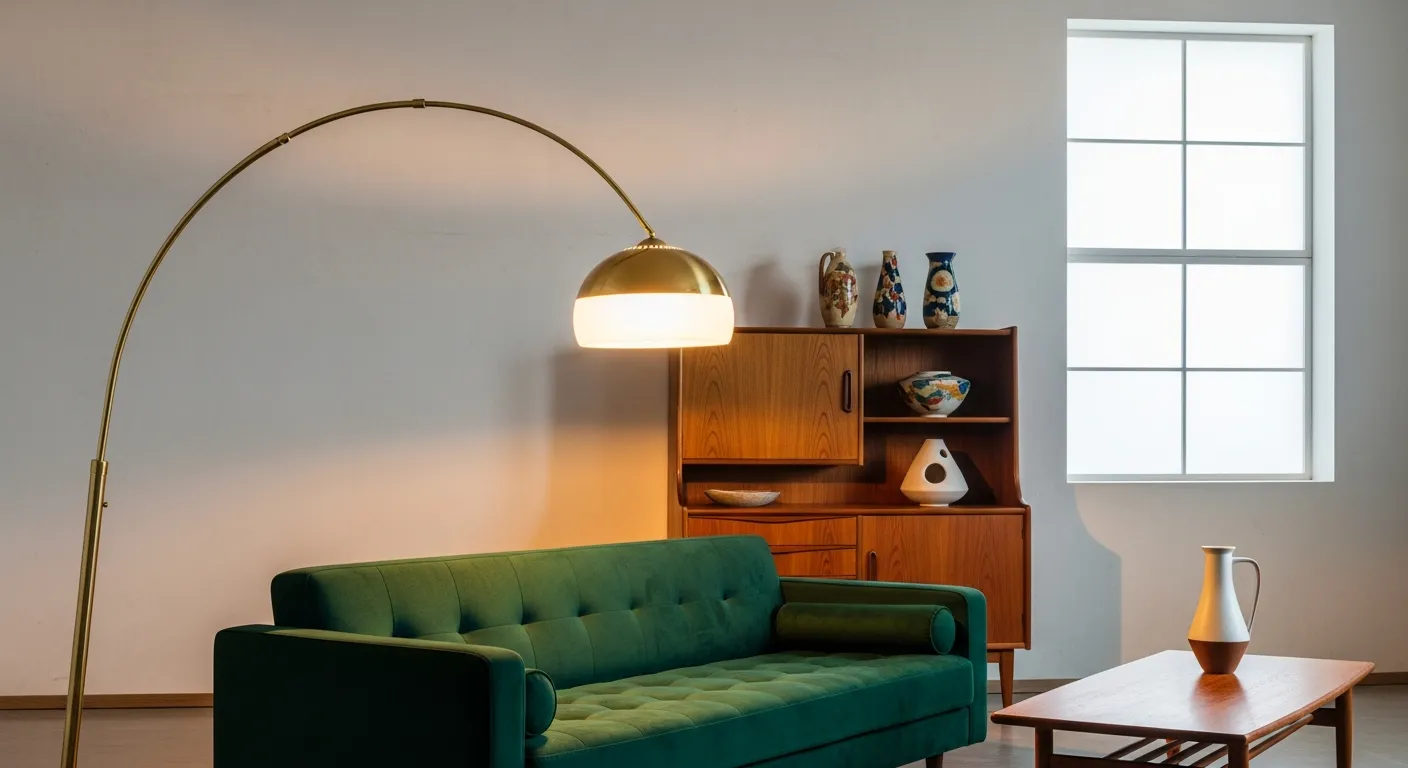
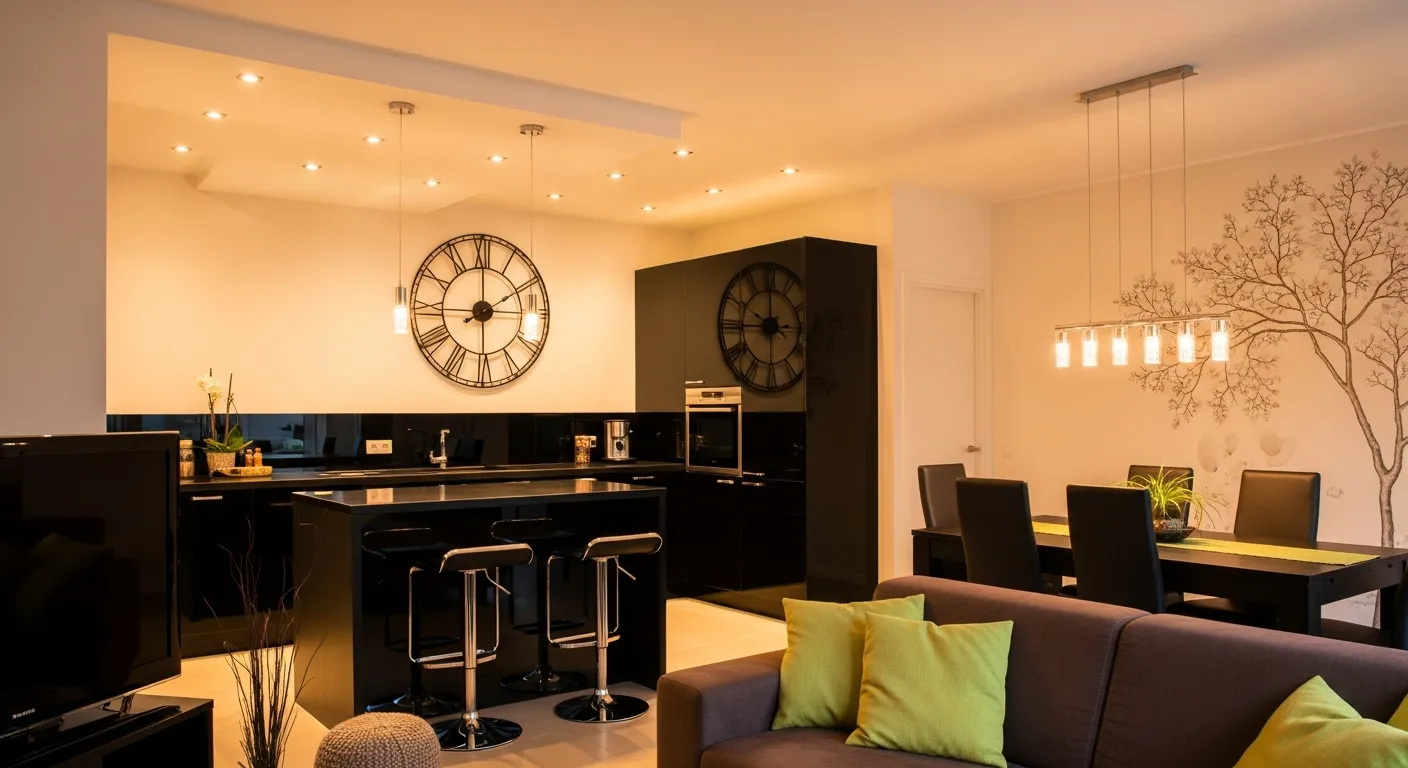
Unique lighting is a smart way to bring in the mid-century style to your home. Though lighting adds a special touch to the simplest mid-century homes, when it is paired with materials and traditional furniture, it enhances the aesthetic.
8. Implement a Bold Color Scheme
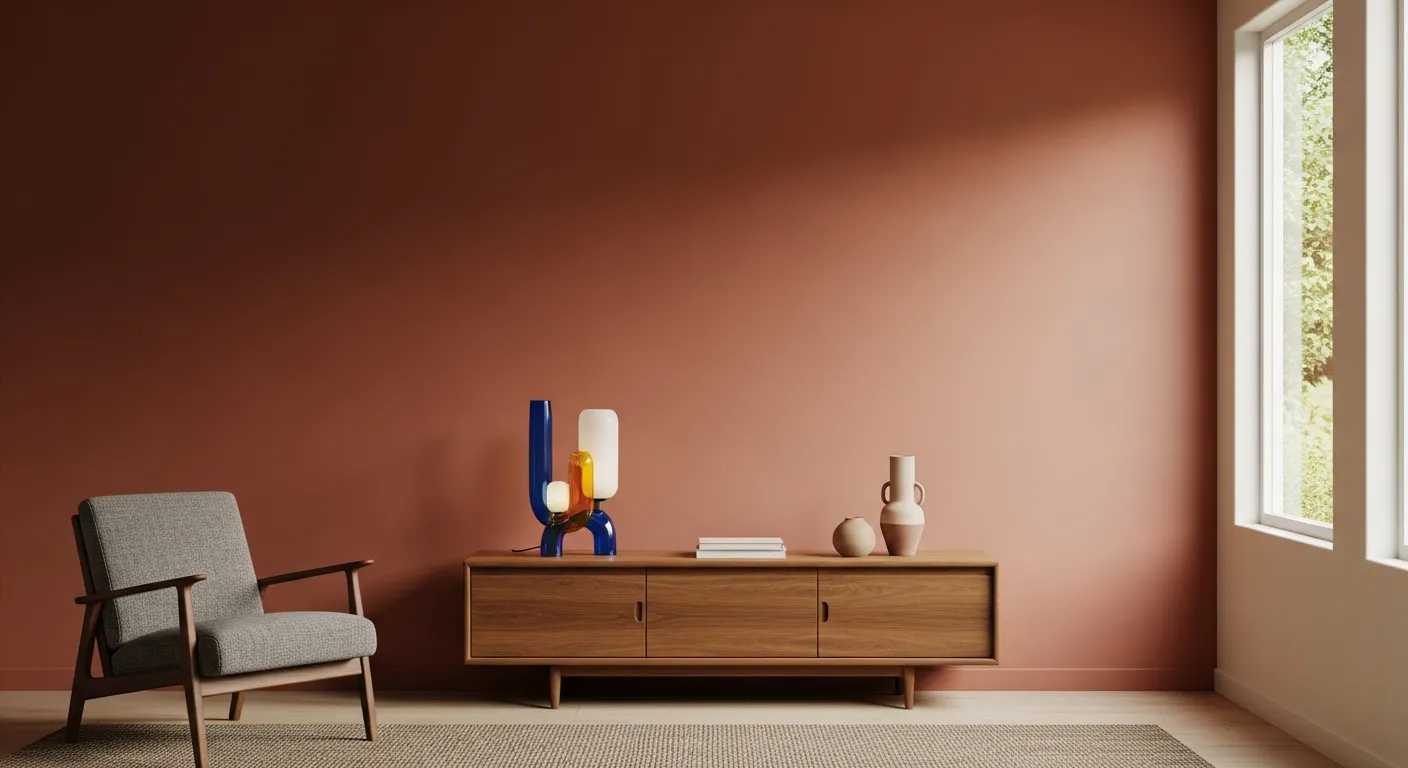
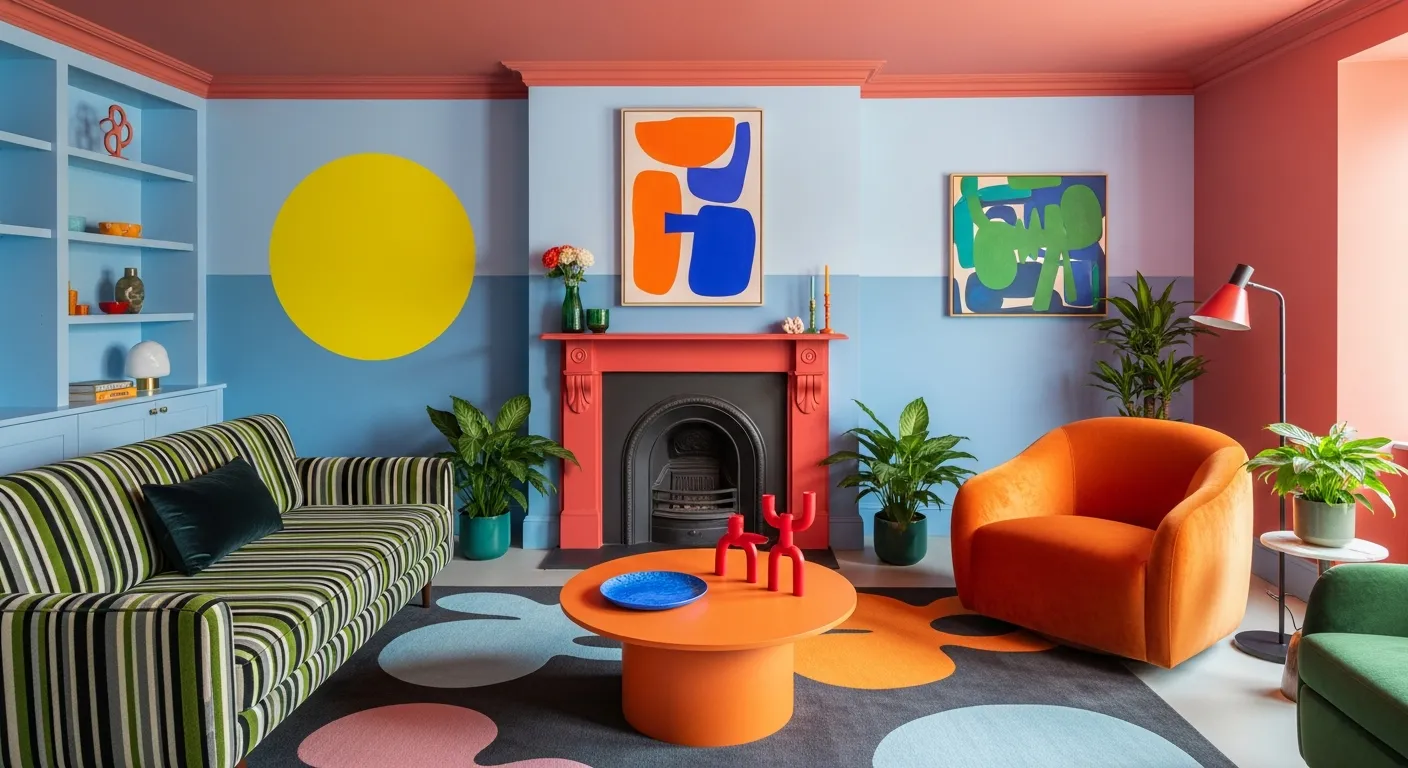
Mid-century style is more than just natural materials and an earthy touch. You can play with the bold color palette in different forms, like colorful lamps or a decor piece. Paint the wall with a bold color, but choose one that brings calm and makes the room more inviting, rather than overwhelming.
Conclusion
Mid-century modern architecture has proven to be a timeless trend. We can still see its influence even in contemporary home designs. Elements such as floor plans, large windows, and a minimalist use of natural materials are common in modern houses. Mid-century houses focused on simplicity, functionality, and a close connection to nature. These elements make mid century designs a popular choice even today.