

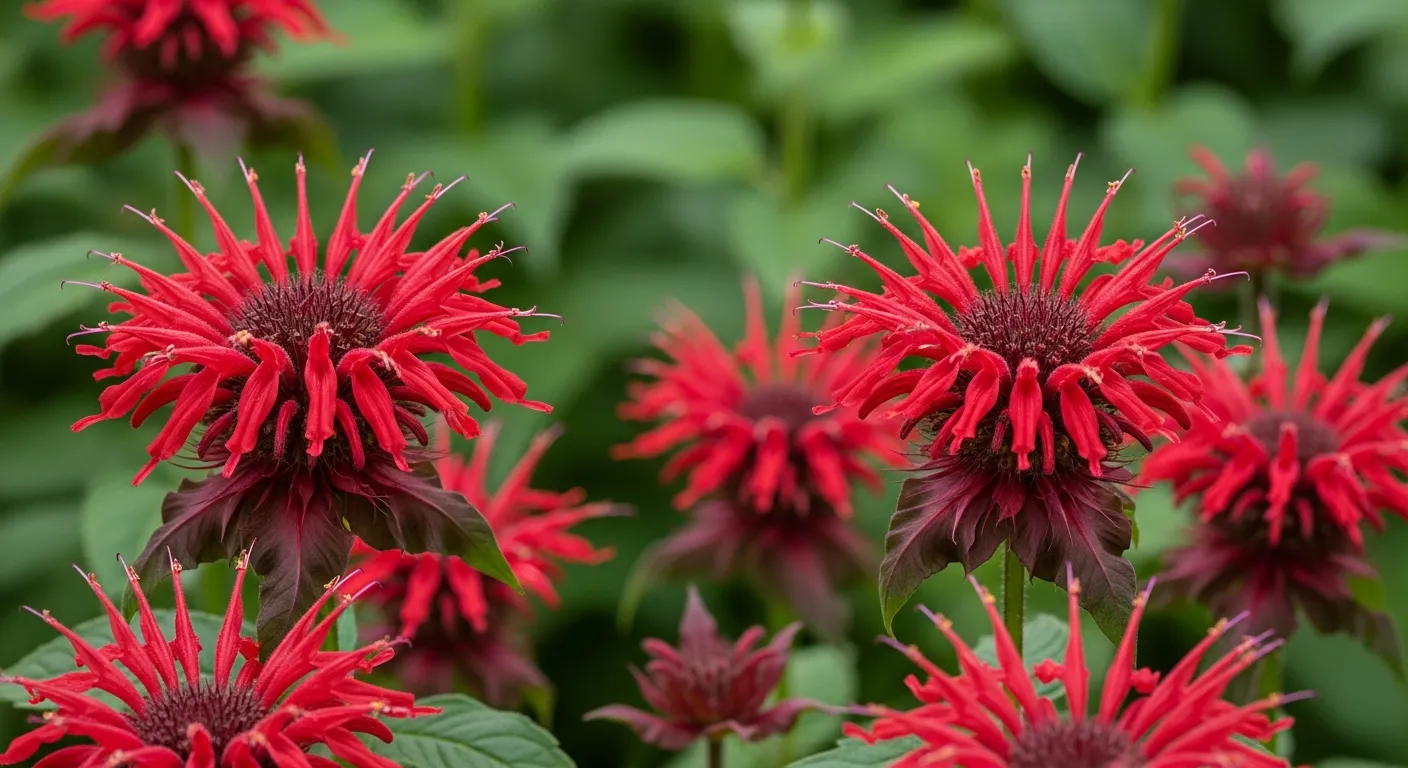
Monarda, also known as Bee Balm, horsemint, Oswego tea, and bergamot, is loved by gardeners because it blooms throughout the summer. It attracts beneficial and pollinating insects, such as bees, butterflies, moths, and hummingbirds. Their blooms come in varying colors, from light pink to dark pink, to rose red and dark red. They are mostly recommended for perennial beds, habitat gardens, and wildflower meadow plantings.
Monarda are tall-growing perennials that thrive in moisture-retentive, compost-enriched loam or clay-loam soils with full sun. They are generally low maintenance, but they require proper care when growing. This guide will help you understand the basics of how to grow monarda, along with the caring tips for the plant.
What is Monarda?
Monarda is the botanical name for bee balm that grows 10 inches to 4 feet tall and spreads to 3 feet. They need full sun to partial shade, which helps them bloom and makes them less susceptible to disease. The flowers bloom from late spring to fall, which look like fireworks. The arching tubular petals grow in terminal whorls on the long, square stems, sometimes forming stacked layers.
Depending on the variety, the blooms come in shades of lavender, pink, red, white, or purple. This may be accompanied by colorful bracts. To add to the beauty, the plant features beautiful, aromatic, oval to lance-shaped leaves, which range from green to blue-green. Here’s a table explaining the characteristics in brief -
| Common Name | Wild Bergamot, Bee Balm |
| Botanical Name | Monarda |
| Plant Type | Perennial, Herb |
| Family | Lamiaceae |
| Sun Exposure | Full, Partial |
| Soil Type | Loamy, Moist, but Well-Drained |
| Soil pH | Acidic, Neutral |
| Mature Size |
Height
Width
|
| Hardiness Zone | 3-9, USA |
| Flower Color | Red, Pink, Purple, and White |
| Native Area | North America |
Bee Balm was earlier used by indigenous tribes and early settlers for culinary or medicinal purposes. It was used to brew tea or add it to salads and other dishes. Popular species of Bee Balm are Wild Bergamot, Scarlet Bee Balm, Spotted Bee Balm, and Eastern Bee Balm.
How to Grow Monarda?
Growing Monarda is quite easy, making it the best choice for both beginner and experienced gardeners. Here’s a complete step-by-step guide on how to grow Monarda:
Choose the Right Location
Plant Monarda where it receives ample sunlight throughout the day. Though these plants can tolerate partial shade, too much shade can cause the plant to become leggy and produce fewer flowers. It also requires proper air circulation to prevent diseases, such as mildew. When planting, it must be noted that these plants should be spaced approximately 18-24 inches apart so that they don’t overwhelm other nearby plants.
Plant in Well-Draining Soil
Bee Balm thrives in well-draining, moist, and rich soil. The flowering perennials should not be planted in heavy clay or sandy soil, but in loamy or clay soil. The pH should be 6.0-6.7, and it is advised to keep the soil slightly acidic to neutral. Do not forget to mix the soil with organic matter like well-rotted manure, leaf mold, and vermicompost.
Planting Monarda
It is best to plant Bee Balm in the spring or fall. However, if you plant in the fall, it is advised to prune the plants to send the energy down to the roots. When planting seeds, sow them about 1/4 inch (0.6 cm) deep in light, well-draining soil.
When transplanting potted plants, plant them at the exact depth as it was growing in the pot, with the top of the root ball level with the surrounding soil. Plant them 18-24 inches apart to allow proper air circulation and healthy growth.
How to Care for Monarda?
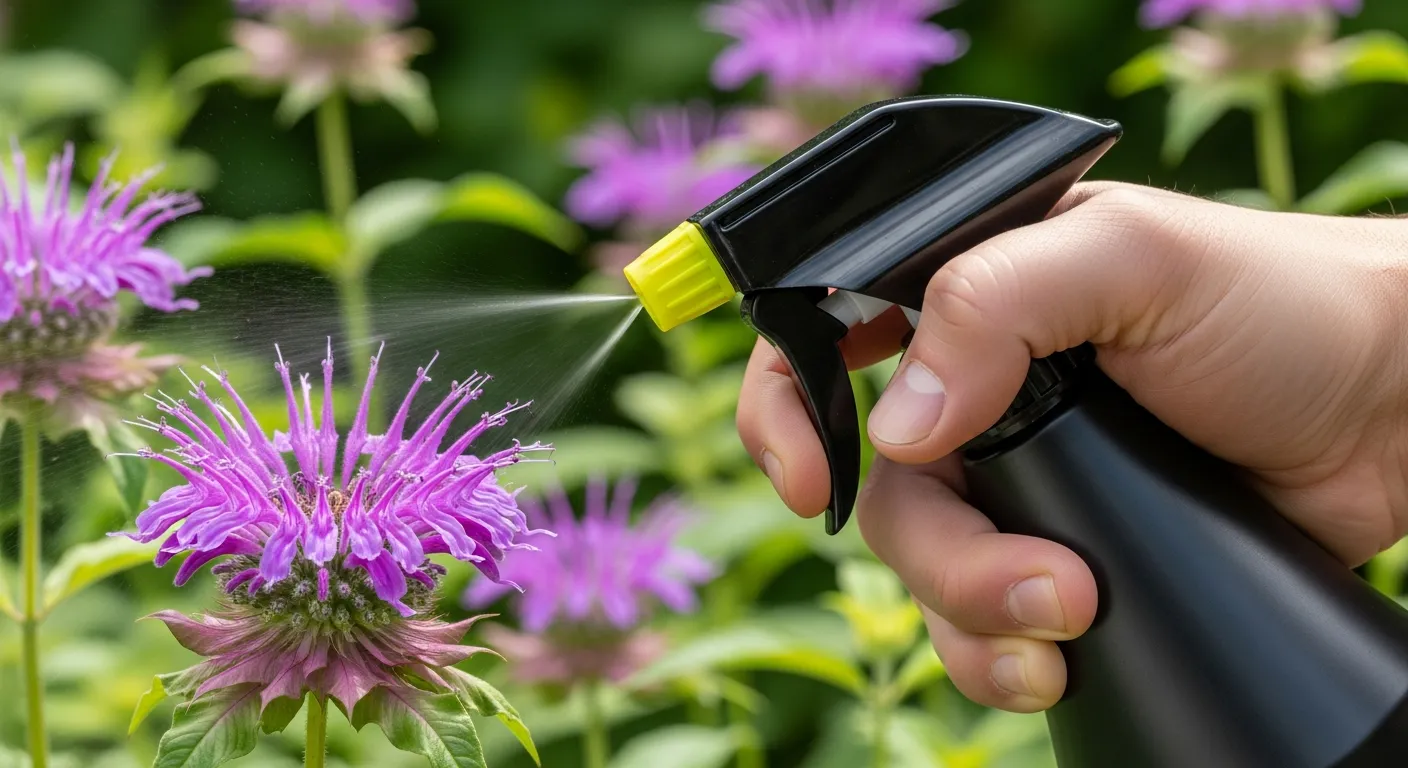
Monarda is a low-maintenance plant. Here’s a brief care guide to ensure that the Monarda in your garden grows well and blooms beautiful flowers throughout the growing season -
Watering
Keep the soil moist, and ensure that there is no waterlogging. Though it needs water throughout its growing phase, Bee Balm can survive short drought periods once established. However, ensure not keep the soil dry for too long.
Fertilizing
Bee Balm thrives in nutrient-rich conditions. So, to prevent using any supplemental fertilization, use organic matter to enhance the richness of the soil and make it more habitable for Monarda. Keep your soil amended to improve the soil quality.
| Notes | Do not overfertilize, as it can stunt the growth of the flowers. This is because fertilizers focus mainly on the foliage, not the blooms. |
Mulching
Spread a thin layer of organic mulch or compost around the base of the plant to give your plant a natural boost.
Pruning and Deadheading
You do not have to prune Bee Balm too often. However, if maintained properly, it can help the plant look beautiful and stay healthy. Removing spent flowers throughout the flowering period can encourage the plant to produce more flowers. As perennial Bee Balms grow aggressively, it is best to divide them every 2-3 years.
It is also advised to pinch the stem tips in the early spring to promote branching and to give the plant a bushier look. Also, prune the plant in the late winter or early spring to a few inches above ground level to support new growth.
How to Propagate Monarda?
Bee Balm is a vigorous spreader, making it ideal for propagation by division. The other methods to propagate Monarda are by seed and by cutting.
Propagating by seed and division is best done in the spring and not in the late summer or fall, as Bee Balms won’t have much time to establish in summers. If you are opting for cutting, consider doing it in mid-to-late summer for successful propagation.
Propagation Using Division Method
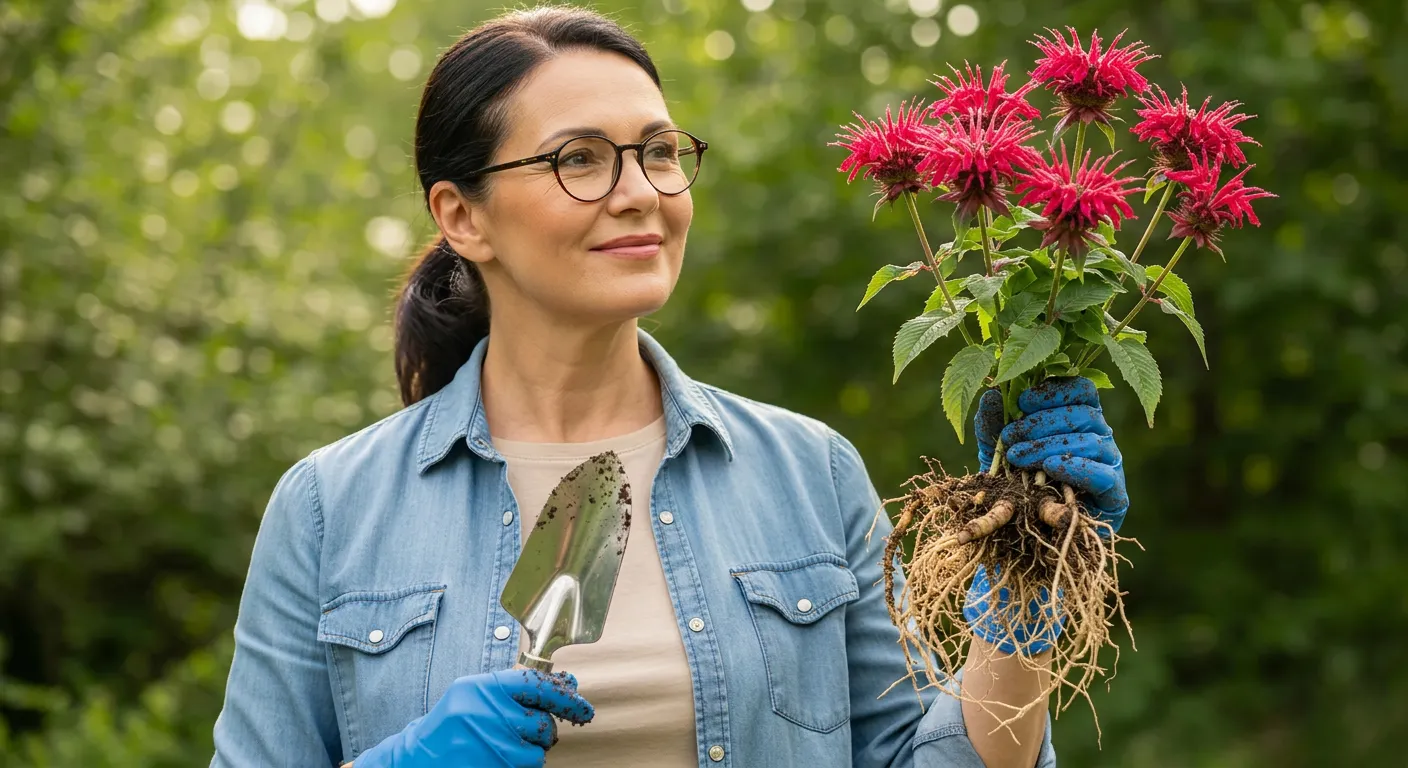
- Use a shovel or narrow spade to lift the plant from the ground. Make sure you remove the roots, crown, and rhizomes.
- Split the clump using a sharp trowel or knife. Ensure each new section has healthy roots, rhizomes, and a few shoots or stems.
- Plant the new sections in their new location. If you cannot plant them immediately, you must keep them in a container filled with soil.
- Water the newly planted Bee Balm to help them settle into the soil and reduce transplantation shock.
Propagation Using Cutting Method
- Cut the stems (3-4 inches tall) from a healthy plant using clean, sharp pruning shears.
- Remove the bottom leaves from each stem.
- Prepare a seed tray or a small container with pre-moistened loamy potting mix.
- Plant the stems, and you can also consider adding rooting hormone (optional).
Common Problems When Growing Monarda
No matter how much a plant is maintained and cared for, the diseases and pest issues can’t be ruled out, such as -
Powdery Mildew
This is one of the most common problems in Monarda. The powdery mildew develops on the flower buds and leaves. Though it is not harmful to the plant, it can stress the stems and flowers, and cause leaf drop. This condition mostly occurs due to high humidity and a lack of air circulation. So, remove any affected leaves and ensure that the plant is getting proper sunlight and ventilation.
Root Rot
Root rot is caused when the plant is left in the waterlogged soil for a long time. The poorly-drained soil can suffocate the roots and breed rot-causing fungi. If your Monarda is experiencing root rot, you can notice yellow and wilting leaves, in addition to paused growth, and mushy, black roots. To prevent further damage -
- Remove the plant from the soil and trim away the damaged roots.
- Repot in fresh, well-draining soil.
- Amend the soil with compost.
Aphids
Aphids attack tender new shoots and buds. They cause the leaves to curl and stunt plant growth. You can also find sticky honeydew residue that attracts black sooty mold. Getting rid of aphids is easy. You can directly wash them using a sharp spray from a hose. For better protection, you can apply insecticidal soap or neem oil to the plants.
Spider Mites
Spider mites are tiny arachnids that thrive in hot and dry conditions. This often occurs when the plant does not receive enough moisture. So, spray the foliage with water regularly to increase humidity and get rid of spider mites.
Poor Flowering
Poor flowering is the result of a lack of sunlight. Though the plant will look incredibly green, there will be no flowers. Place the plant in a sunnier spot, avoid using excessive fertilization, and divide the clumps.
How to Encourage More Blooms?
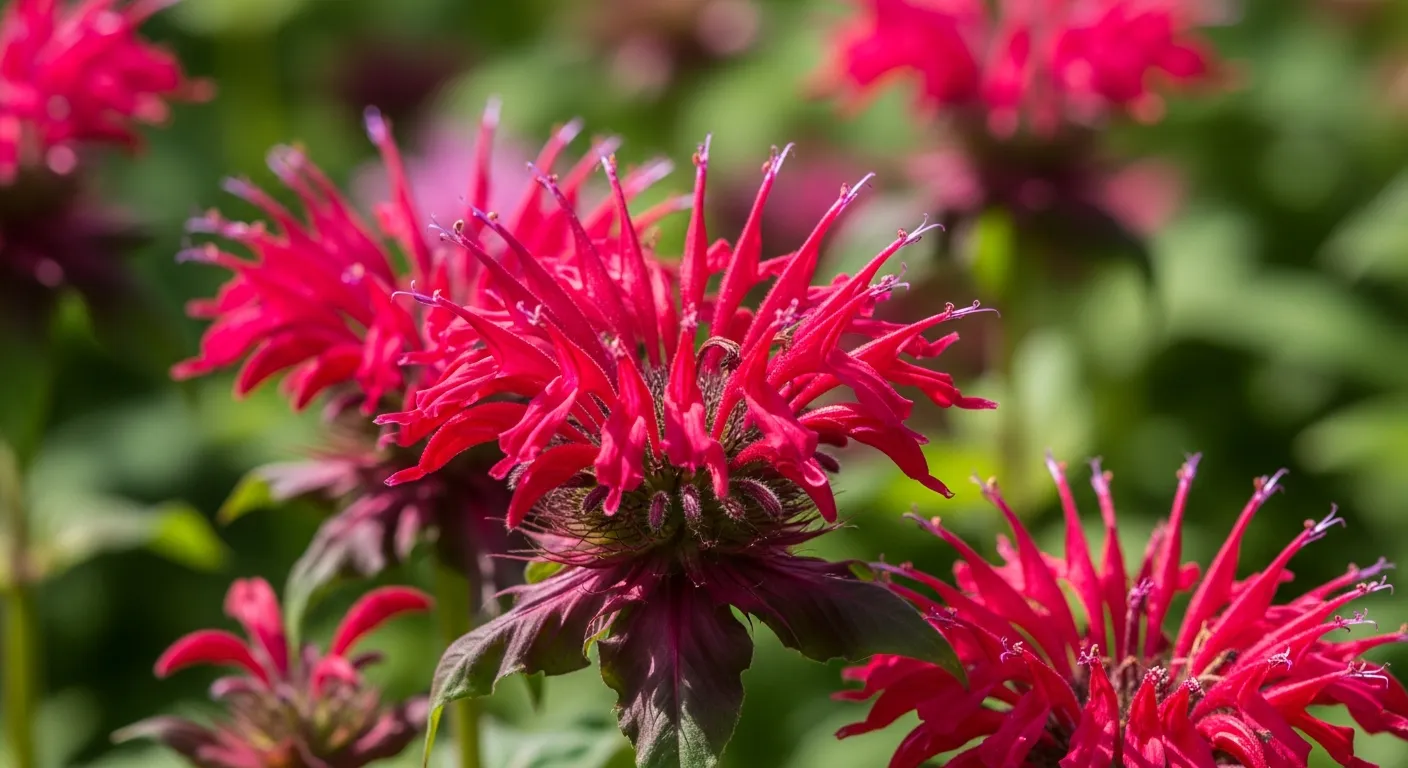
If provided with the right growing conditions and care, Bee Balm plants can produce more flowers.
- Deadheading: Remove any dead flowers, leaves, or bud nodes to allow the plant’s energy to focus on producing more flowers.
- Proper Sunlight: Bee Balm requires a minimum of 6 hours of daily sunlight, even though it can survive in partial shade. Do not keep it in a shady space for long if you want beautiful, vibrant flowers.
- Dividing Mature Plants: As Monarda spreads too quickly, it can cause the center of the plant to die, which can overcrowd the space, leading to poor flowering. Dig and divide the clumps every 2-3 years to boost the flowering capacity.
- Balanced Fertilization: Monarda does not require heavy fertilization, as this could lead to more foliage growth and less flowering.
Growing Monarda in Containers
Growing Monarda in containers is not a big deal. It requires a bit of patience and minimal effort to make sure that the plant is thriving.
Pot Size
As Monarda grows anywhere from 2-4 feet tall and 10-15 inches wide, and considering its spreading capacity, it is best to have a 5-10 gallon pot. Check if the pot is weather-resistant and crack-proof. Keep the planted pots in full sun for at least 6 hours a day and trim away excessive growth to offer better air circulation.
Soil Mix
Bee Balm likes moist and well-drained soil, and the pH of the soil should be 6.0-7.0. Rich soil is good to use to produce more flowers and stronger plants, but using a standard potting mix is also a great option. However, adding organic matter and compost to the soil also adds required nutrients.
Watering Considerations
Though Monarda requires moist soil, it can tolerate brief dry spells. However, not watering the plant for too long can cause it to dry. When the plants actively grow (during spring and summer), water them properly only when the topsoil feels dry. Also, the container should have proper drainage to ensure that the water does not pool in the container.
Is Monarda Easy to Grow?
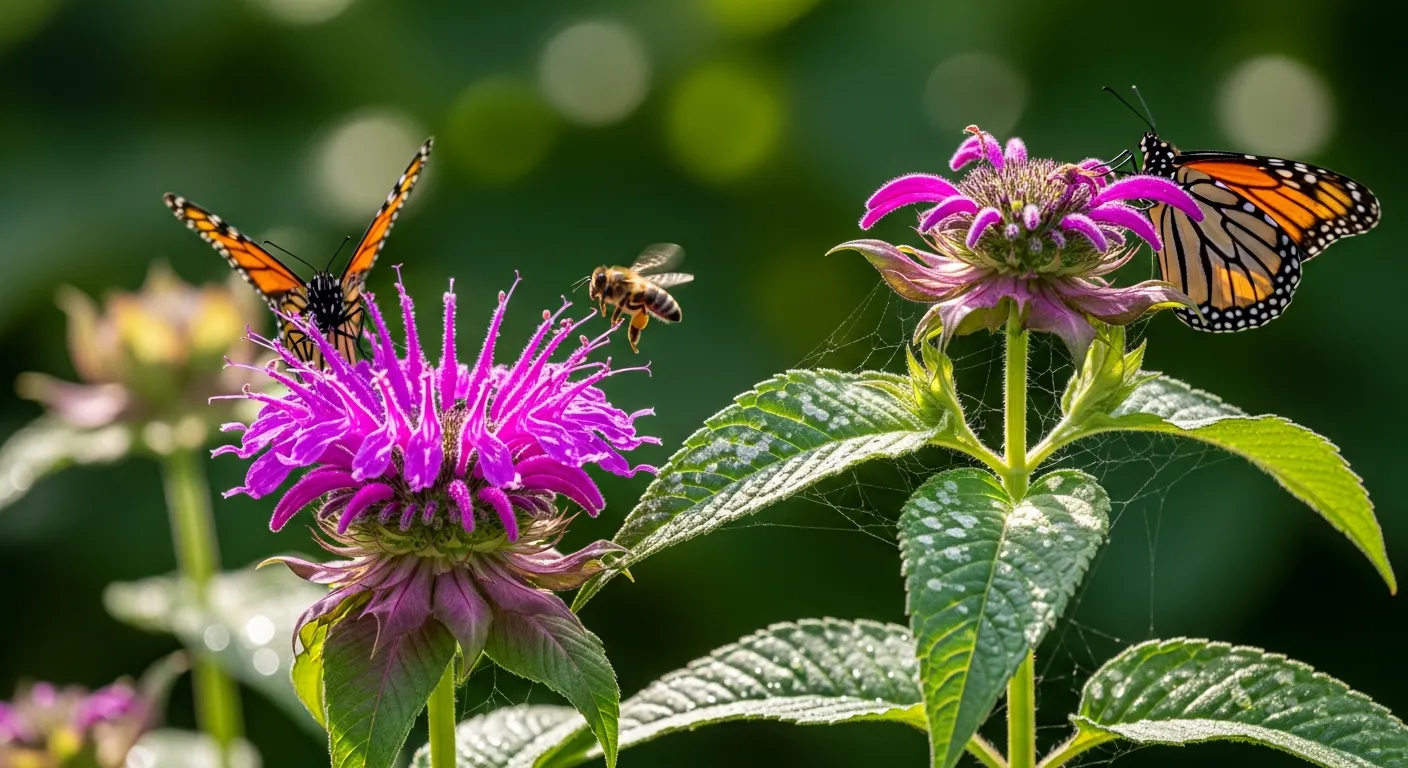
Yes. Monarda is incredibly easy to grow, and because it belongs to the mint family, it is highly resilient. It establishes quickly, given the right temperature, water, fertilization, and soil needs. They produce beautiful, vibrant, and fragrant flowers that attract pollinators, such as bees and butterflies, under the ideal conditions.
However, they are susceptible to diseases and pest problems, such as powdery mildew, spider mites, and aphids. To combat these issues, water the plant thoroughly and, if needed, apply insecticides or essential oils like neem.
Conclusion
Planting and growing Monarda requires certain conditions to grow to its full potential and to produce more flowers. The plant should be kept at a spot where it receives at least 4-6 hours of sunlight every day, and the soil should be well-drained, as waterlogging can cause root rot, leading to wilted leaves and damaged blooms.


