
Many people wonder whether they can install a wood-burning stove without a chimney. Not having a chimney shouldn’t demotivate you from getting a wood-burning stove. You can install a stove without a traditional chimney using a twin-wall flue system. This setup carries smoke and gases out of the house effectively and efficiently.
You can use this setup in several areas of your home that don’t usually have a chimney, such as a greenhouse or kitchen. Wherever you install it, always follow the rules and regulations set by your local authorities. This blog explains how to install a wood-burning stove without a chimney and what tools or materials you need.
How Does a Log Burner Work Without a Chimney?
A wood-burning stove requires a properly designed flue system to carry smoke and combustion gases out of the home. It also needs a steady airflow to support efficient burning. If your home doesn't have an existing chimney, you may need an alternative flue system to provide the necessary draught.
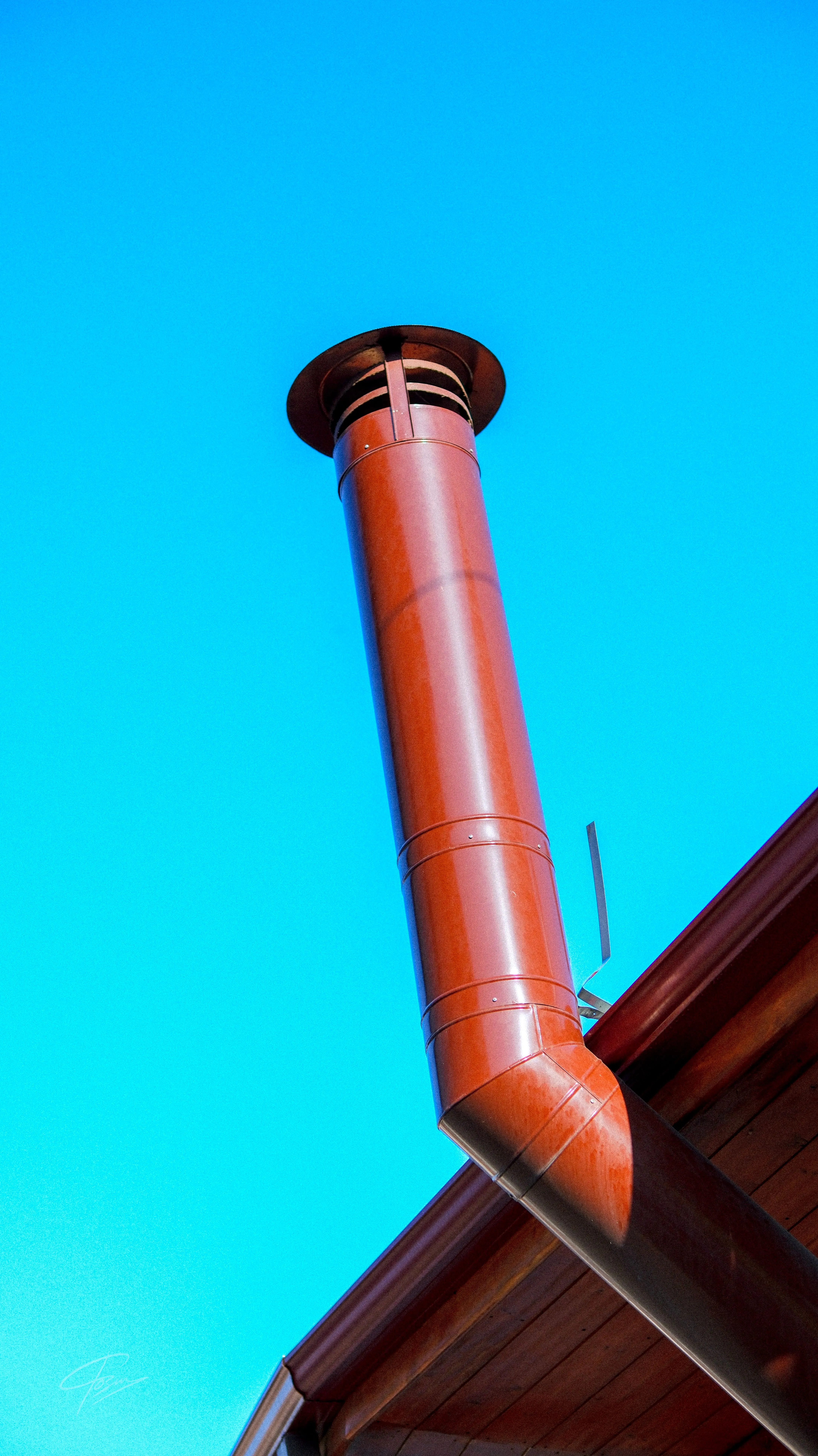
One of the most common options is a twin-wall insulated flue, which features two stainless-steel layers with insulation between them. This keeps the flue gases at a suitable temperature. This reduces the risk of condensation while helping maintain a strong, consistent draught.
Twin-wall flues can generally be installed in two ways. An external installation runs up the outside of the property, while an internal system passes through the floors before exiting through the roof. Both options work in homes without a chimney, as long as the installation meets the relevant safety requirements in your region.
Where Can You Install a Stove Without a Chimney?
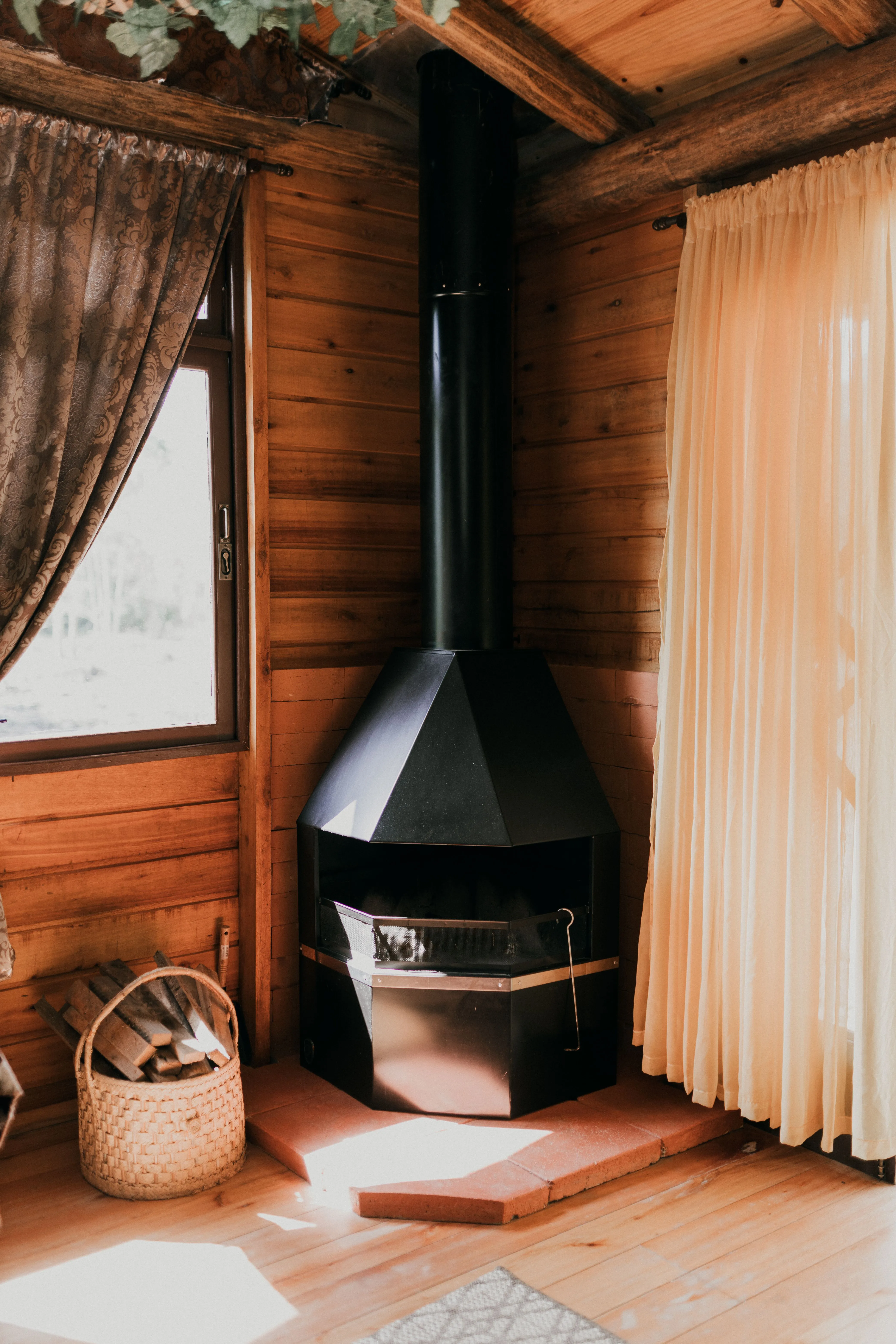
A wood-burning stove without a chimney gives you the flexibility to install it anywhere in the home. Some of the common location may include -
-
Living Room: Creates a focal point and makes the space more appealing.
-
Kitchens: Great for open-plan kitchen and dining spaces.
-
Extension & Conversation: These spaces are often built without a traditional chimney, which can make them challenging to heat. Adding a stove can provide a practical heat source.
-
Garden Rooms: Adding a stove to a garden room can be a great option.
-
New Build Homes: Many new homes may not have traditional Class 1 chimneys; a twin-wall flue offers a practical way to install a wood-burning stove without a conventional chimney.
What Materials Do You Need to Install a Stove Without a Chimney?
Here are some materials you might need to install a stove without a chimney -
- The stove
- Stove pipe
- Twin wall flue components
- Wall brackets
- Roof flashing or terminals
- Hearth
- Carbon monoxide alarm
- A professional installer
How to Install a Wood-Burning Stove Without a Chimney?
Burning wood produces carbon monoxide, a colorless, odorless, poisonous gas. So, it is best to call a professional for a safe, stress-free installation. Still, it helps to understand the basic installation process before you start.
Here’s a guide to installing a wood burner without a chimney -
- First, decide where to install the stove.
- Next, make an opening in the wall so the flue (if it goes through an external wall) can reach outside.
- Install the hearth and position the wood-burning stove on it.
- Connect the stove to the twin-wall flue. The flue sections can then be joined together and routed either up through the ceiling and roof or alongside the outside wall.
- If you want a traditional look, you can build a false chimney breast around the flue to hide it. You can also keep the flue exposed for a modern, minimalist appearance.
What Does the Regulation Say About Twin Flue Chimney?
Here are some regulations about twin flue chimneys that you should know -
- The flue should have no more than four bends along its entire length.
- Each bend should be no more than 45 degrees. A 90-degree connection is allowed where the flue connects directly to the stove.
- The single-wall stove pipe should never pass through a wall or ceiling. These sections need an insulated twin-wall flue instead.
- The single-wall stove pipe should be kept at least 2 feet away from anything that could catch fire, such as wood or other combustible materials.
What is the Cost of Installing a Wood Burning Stove Without Chimney?
The cost of installing a wood-burning stove without a chimney can vary on certain factors. Every home is different, so the easiest way to know what you’ll pay is to get a quote based on your property and the work involved.
A few things can push the overall cost up, such as -
- More complicated twin-wall flue installation may take longer and cost more in labor. If you decide to use a false chimney breast to hide the flue, that will also add to the cost.
- You may also need to factor in any local building requirements or approvals, depending on where you live.
- In addition, you might have to install smaller essentials, such as a carbon monoxide alarm, fuel supply, and regular chimney sweeping.
What Are the Common Myths Around Stoves Without a Chimney?
Here are some common myths around stoves without a chimney -
Myth #1: They’re Not Safe
Fact: When installed correctly and as per the regulations, twin-wall flues are safe and can resist heat and fire well.
Myth #2: They Don’t Give Enough Draw
Fact: The insulation helps keep flue gases hot, supporting good airflow and a steady draw.
Myth #3: They Are Only Best for Modern Homes
Twin-wall flues suit modern and cottage homes, as well as farmhouses. All you need to do is install it correctly. If needed, call a professional to do the job.
Myth #4: They Are Only Temporary
A good-quality twin-wall flue can last for many years and provide a long-term way to vent your stove.
Conclusion
Not having a chimney should never stop you from enjoying a wood-burning stove. With the right twin-wall flue system, you can safely install a stove in many homes, whether modern or traditional. The key is getting the flue design, clearances, and installation permission right. As every home is different, it is best to speak to a qualified professional before you begin DIYing the project.