

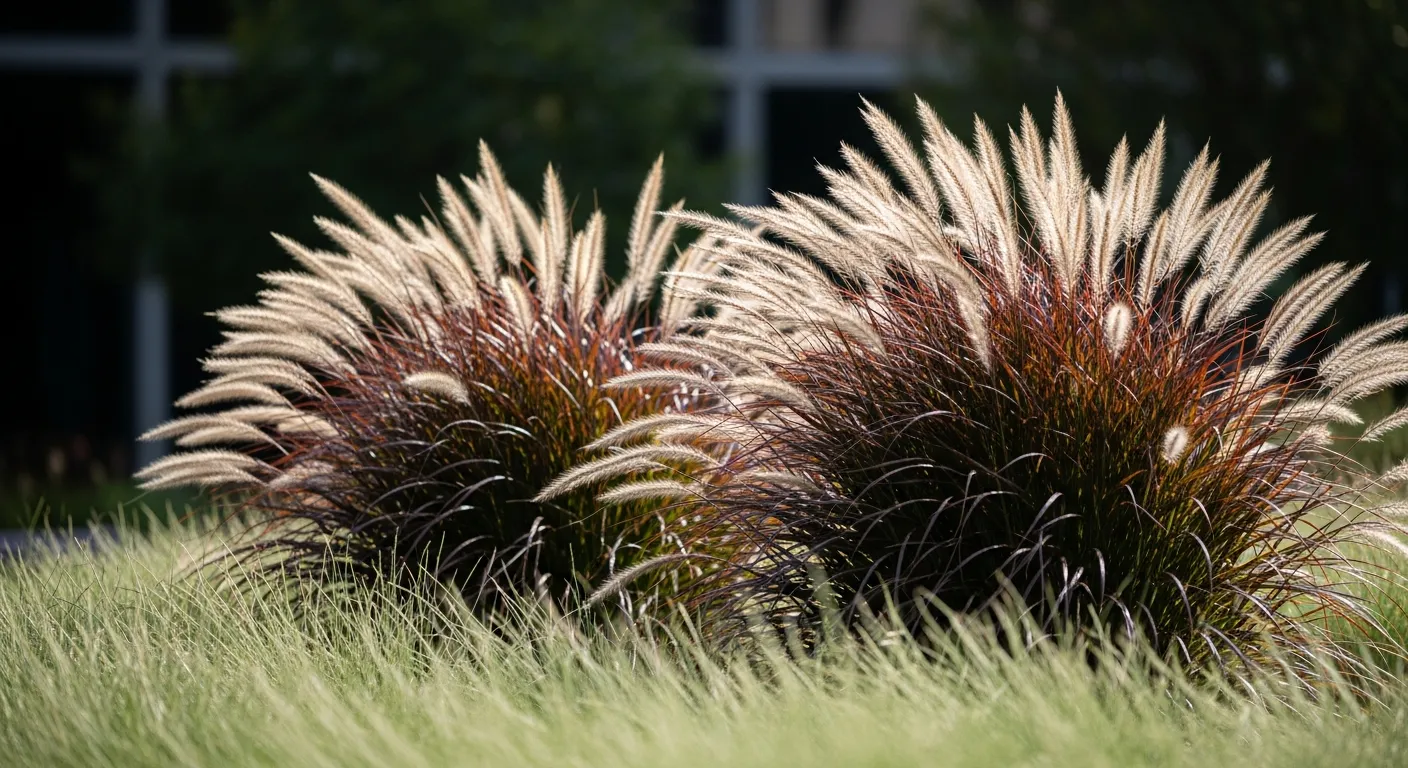
Purple Fountain Grass is widely admired for its ornamental value. The purple flower spikes and long burgundy leaves spread an unparalleled sight in the garden. These beautiful plants are easy to grow, especially in spring when the conditions are favorable. This blog discusses the basic requirements and care tips for purple fountain grass and provides easy ways to grow it. It also discusses some widely known cultivar species.
Know More About Purple Fountain Grass
Origin
Purple fountain grass, scientifically known as Pennisetum setaceum Rubrum, is native to Africa, Southeast Asia, and the Middle East. The genus name is derived from two Latin words, namely “ penna” , meaning “feather", and "seta” , meaning "bristle”.
Characteristics
Tender Perennial: Purple Fountain Grass is considered a tender perennial, as these plants cannot survive freezing winters.
Hardiness: The native Purple Fountain Grass is hardy only in USDA zone 9. However, they can also survive in zones 7 and 8 if protected well in winter. While some hybrids of Purple Fountain Grass are hardy to zone 4 or 5.
Sun Exposure: Purple Fountain Grass is a sun lover, so it requires direct sunlight to bloom beautifully in maroon-purple flowers.
Water Requirement: Purple Fountain Grass needs even watering; water them when the top 2 inches of soil are dry.
Growth: They achieve moderate growth with a height of 4 feet and a width of around 4 feet.
Bloom Time: Purple Fountain blooms from July through October.
Maintenance: They require very little maintenance.
Soil Type: Purple Fountain Grass needs well-draining, moist soil. They thrive best in soil with a neutral or acidic pH.
Ways to Grow Purple Fountain Grass
By Propagating
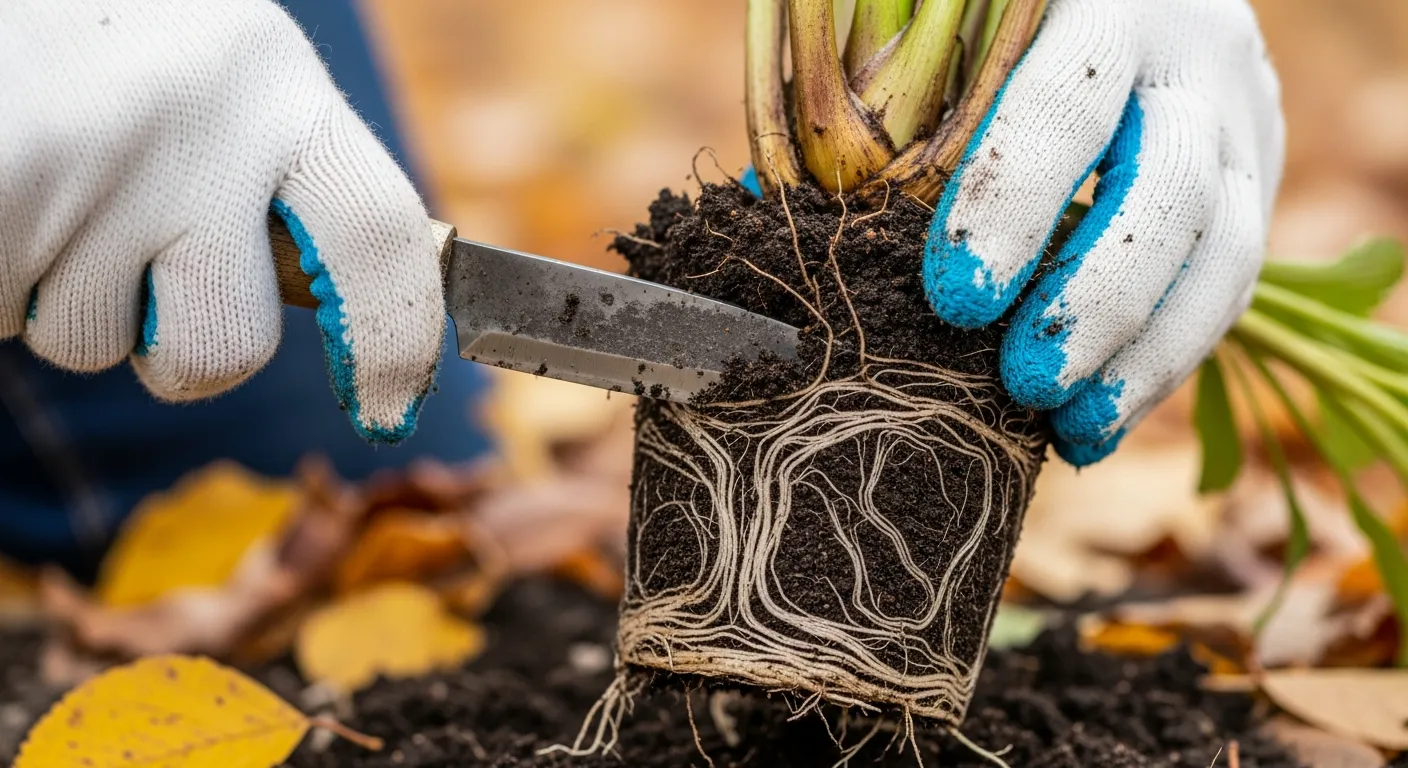
Though self-seeding occurs in these plants, root division is probably the most effective method of propagation, as it helps the plant grow faster.
- The best time for propagation is fall, as it goes into dormancy after flowering.
- Dig it up for propagation during the fall, during the plant’s dormancy phase.
- Using a sharp cutting tool, cut and divide the healthy parts into two or more sections.
- Remove any rotten or dead parts and roots.
- Replant immediately and keep the soil moist with frequent watering until the roots settle down in the new environment.
By Seeding
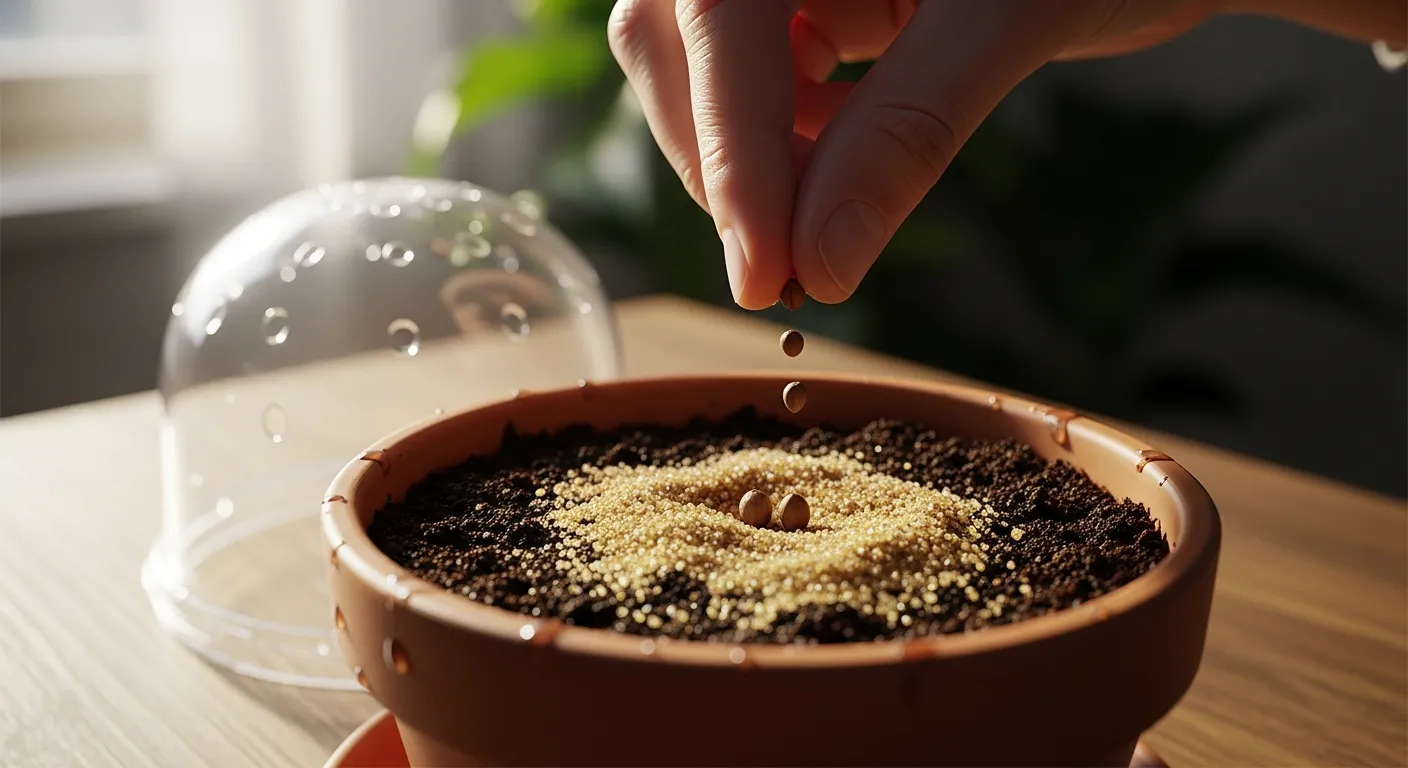
Seeding is easy, but it takes time to yield results.
- Collect some seeds from the flowering stems in the fall, when they are dry.
- In a pot, sow the seeds in the potting soil and cover lightly with the sand.
- Ensure proper watering to maintain moisture in the pot.
- Cover the pot with a plastic dome and make a few holes to let the seeds breathe.
- Once the seeds germinate and form seedlings, transplant them into larger pots.
- Transfer them to prepared pots or garden beds during the spring.
Purple Fountain Grass Care Tips
Plant It in Spring
Though purple fountain grass can be planted at any time of year, it's best planted in spring for better growth.
Protection From Winds
Consider planting the purple fountain grass in a spot where strong winds won't pose a threat to the plant's survival. Additionally, use a spike to support the plant.
Give Them Enough Space
Provide them with enough space in your garden. Since some of these plants can grow as wide as 4-5 feet, there should be a gap of at least 3 feet between plants.
Leave Room for the Roots
Roots of purple fountain grass need sufficient space for optimal growth. Therefore, consider digging holes with adequate space for planting them.
Water Regularly
Water them thoroughly after planting, and consider watering the purple fountain grass at least twice a week.
Fertilizer
Add fertilizer to the soil regularly to keep it nutrient-rich and support plant growth.
Few Cultivars of Purple Fountain Grass
Cassian
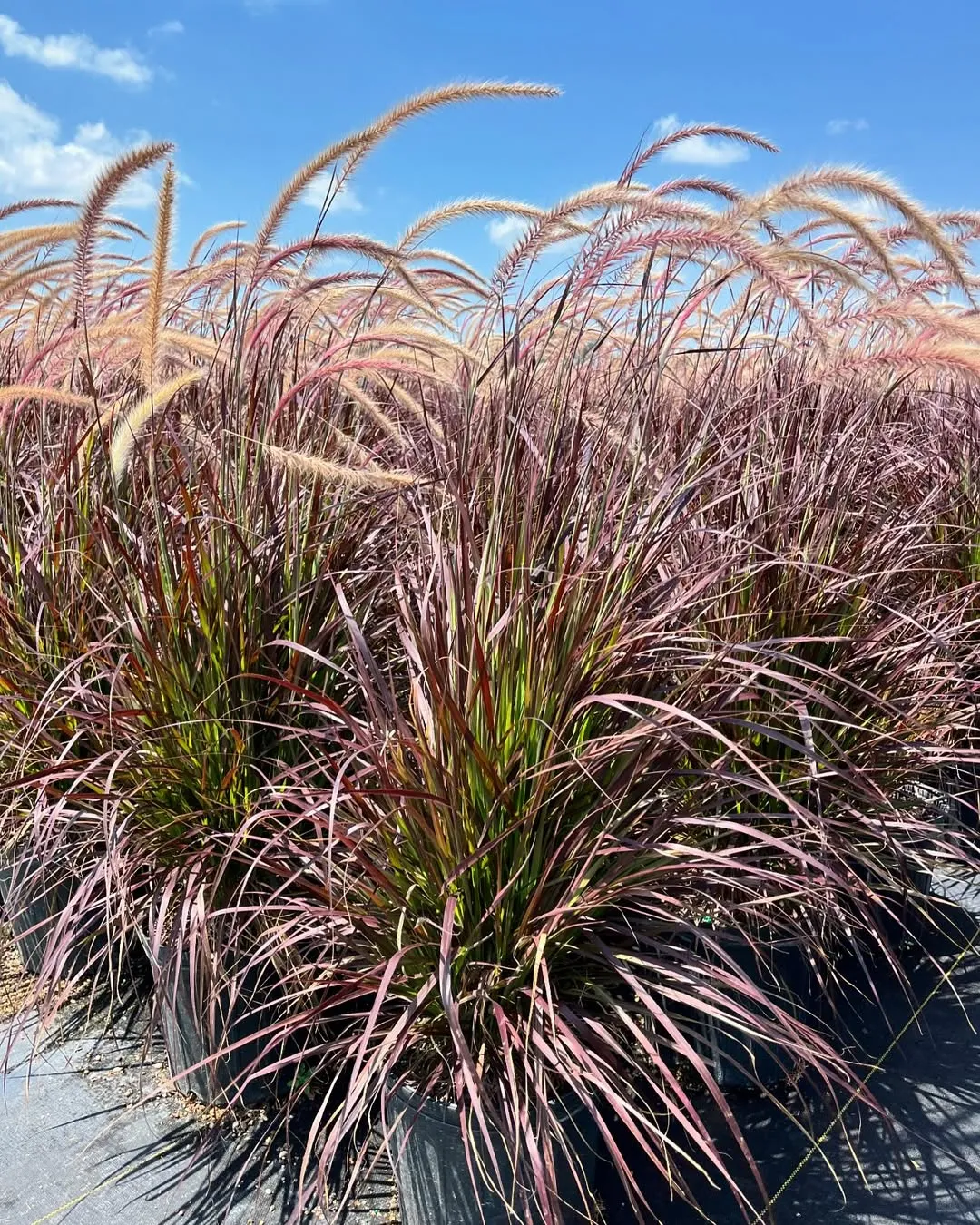
Cassian produces golden flowers with an orange-red hue during fall. Its leaves are about the size of a ‘hameln,’ and it grows well in zones 5 and 6. However, its leaves are comparatively rougher than those of hameln and turn a little red under favorable conditions. This cultivar was named after the German Horticulturist Cassian Schmidt.
Hameln
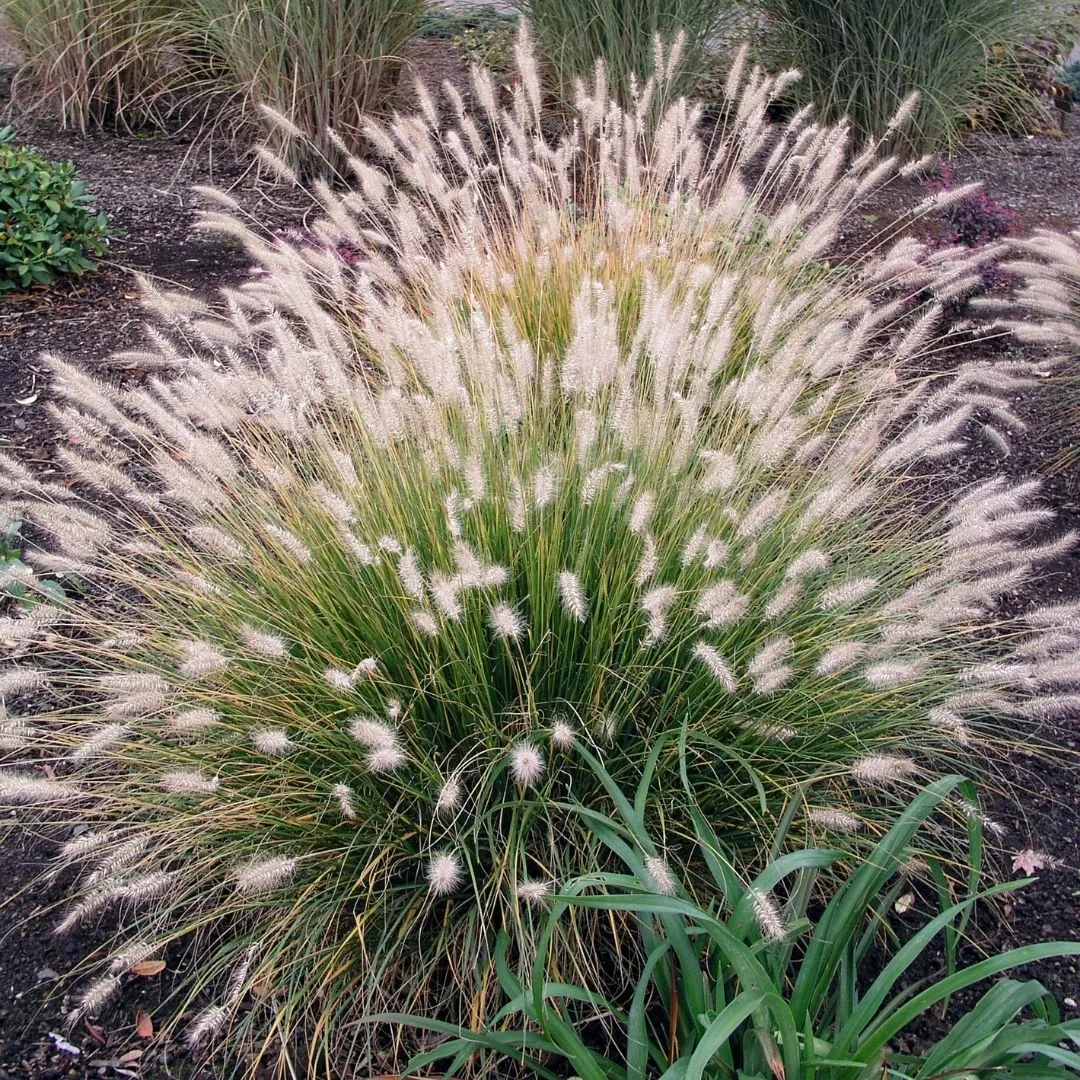
Hameln is a very tough plant that can thrive even in zone 5. These varieties are relatively small compared to other cultivars of purple fountain grass. They grow only 18-24 inches tall and wide and produce silvery-white flowers that bloom earlier than those of other cultivars. Hameln has bright green leaves. These plants do not reseed much and are among the most commonly sold cultivars in nurseries.
Moudry
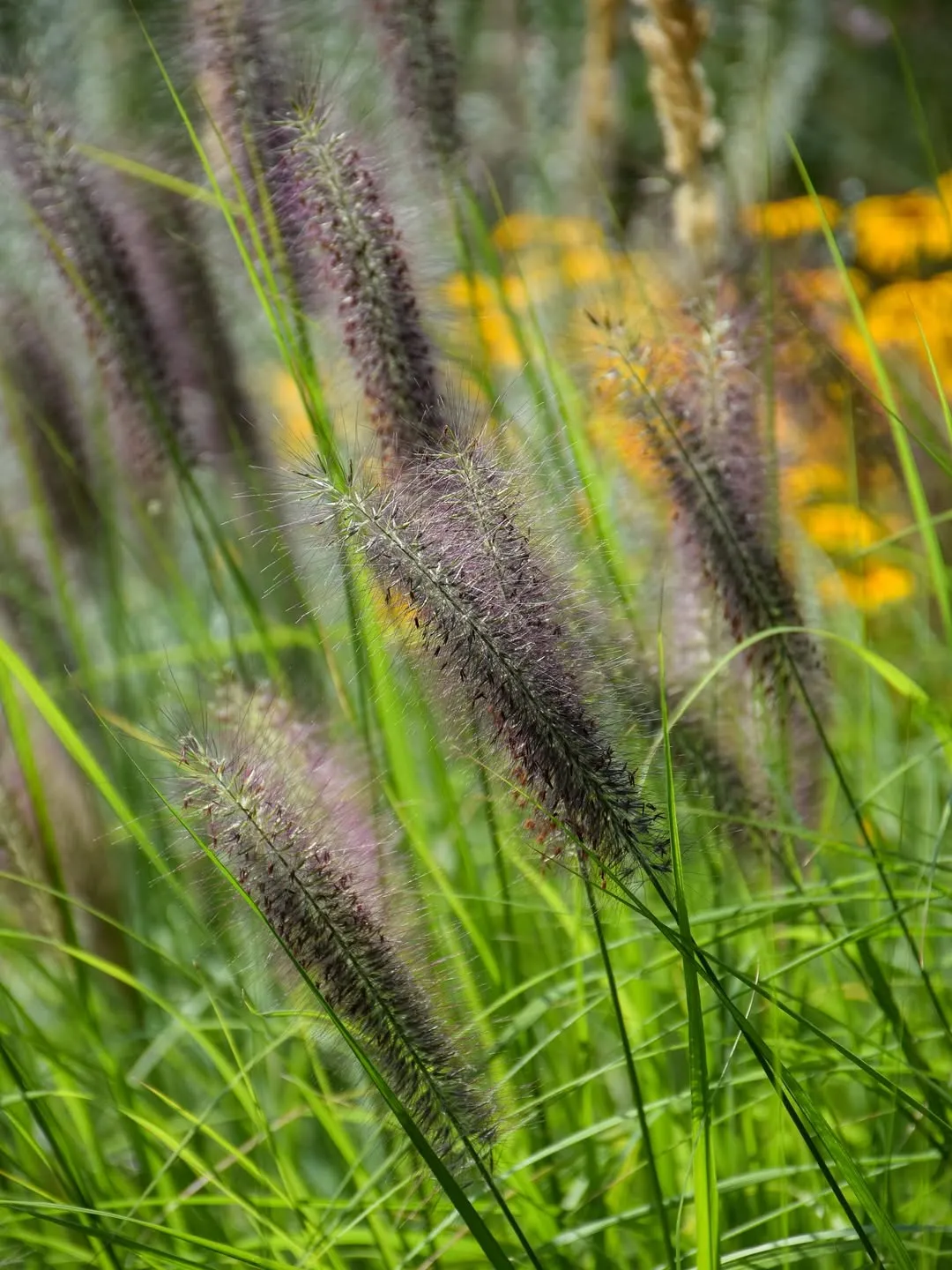
Also called black fountain grass, moudry blooms 3-5 weeks later than other cultivars. These plants have deep maroon flowers, grow up to 3 feet tall, and are wide, with broad leaves and straight growth from the central stalk. Moudry produces a large number of seeds in warmer climates and is relatively less hardy than other cultivars, usually surviving in zone 6. This was brought up by the National Arboretum from a batch of Japanese seeds.
Burgundy Bunny

Burgundy Bunny is relatively more cold-tolerant and hardy than other cultivars of purple fountain grass. This cultivar grows up to 16 inches tall. It produces flowers with a slight red tint during the summer, but turns deep reddish-purple as fall arrives.


