


Nothing could be more frustrating than a bed that doesn’t stay in place. This not only results in discomfort but also leads to scratches and damage to the wood floor and can be dangerous, too. Fortunately, there are so many ways you can prevent your bed from sliding on the wood floor.
This blog discusses why your bed slides on the wood floor and several DIY methods to keep it in place while maintaining the elegance of your room.
Why Does the Bed Slide on the Wood Floor?
No matter how sturdy a bed is, it is prone to some movement when placed on wood, marble, tile, laminates, etc. This is mostly because the bottom of the legs is polished, which creates minimal friction and can cause the bed to slip. Here are other reasons that may cause the bed to move:
Bed Frame Design
The frame's design plays an important role in stability. If the bed frame has smooth, flat legs, they might slide more easily than those with textured or rubberized feet. If you are going to purchase a new bed, consider choosing one with non-slip features.
Wood Finish of the Floor
A high-gloss finish on your wooden floor reduces friction compared to matte or textured finishes.
9 Ways to Stop Bed From Sliding on Wood Floor
Wood floors are smooth and might cause the bed to shift. Here are some DIY methods to prevent your bed from sliding on a wood floor:
Rubber Mats and Rubber Leg Bottom
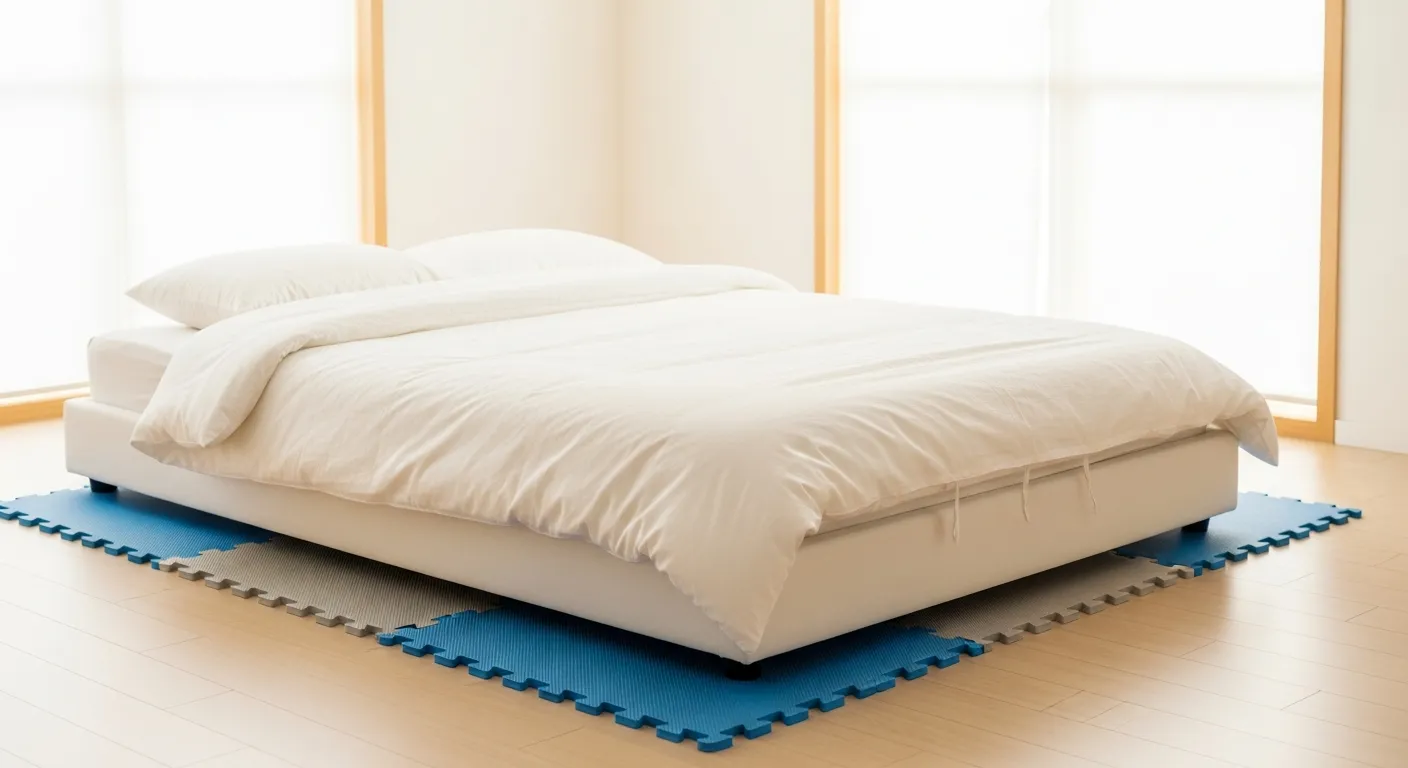
This is one of the most effective ways to prevent your bed from sliding on the wood floor. You can place a rubber mat underneath the bed or attach rubber feet to the bed legs. They offer a good grip, which helps the bed stay stable without shifting or sliding.
Double-Sided Carpet Tape and Furniture Pads
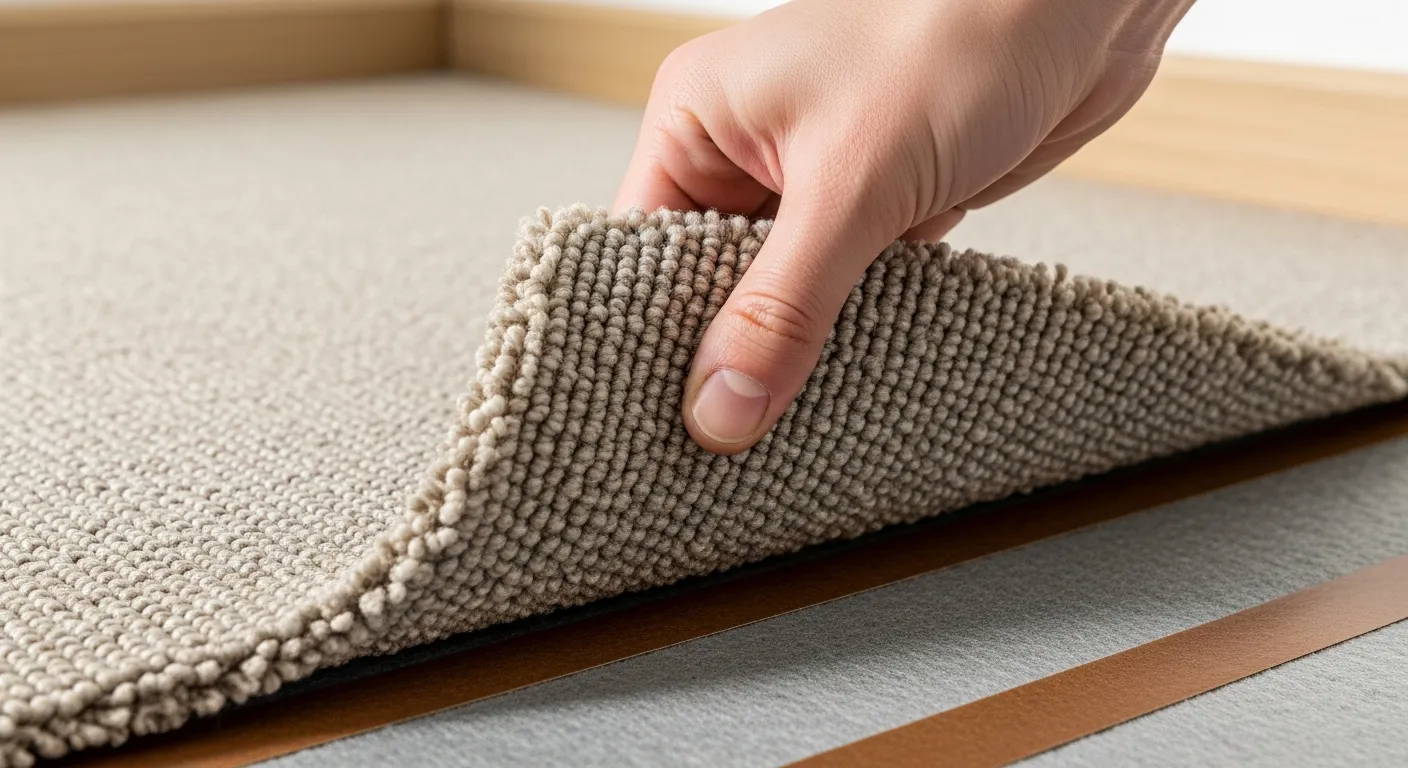
You can also install furniture pads or double-sided carpet tape under the legs to enhance the friction between the floor and the bed legs. They are readily available at any hardware store and come in various sizes.
Use Gap Fillers
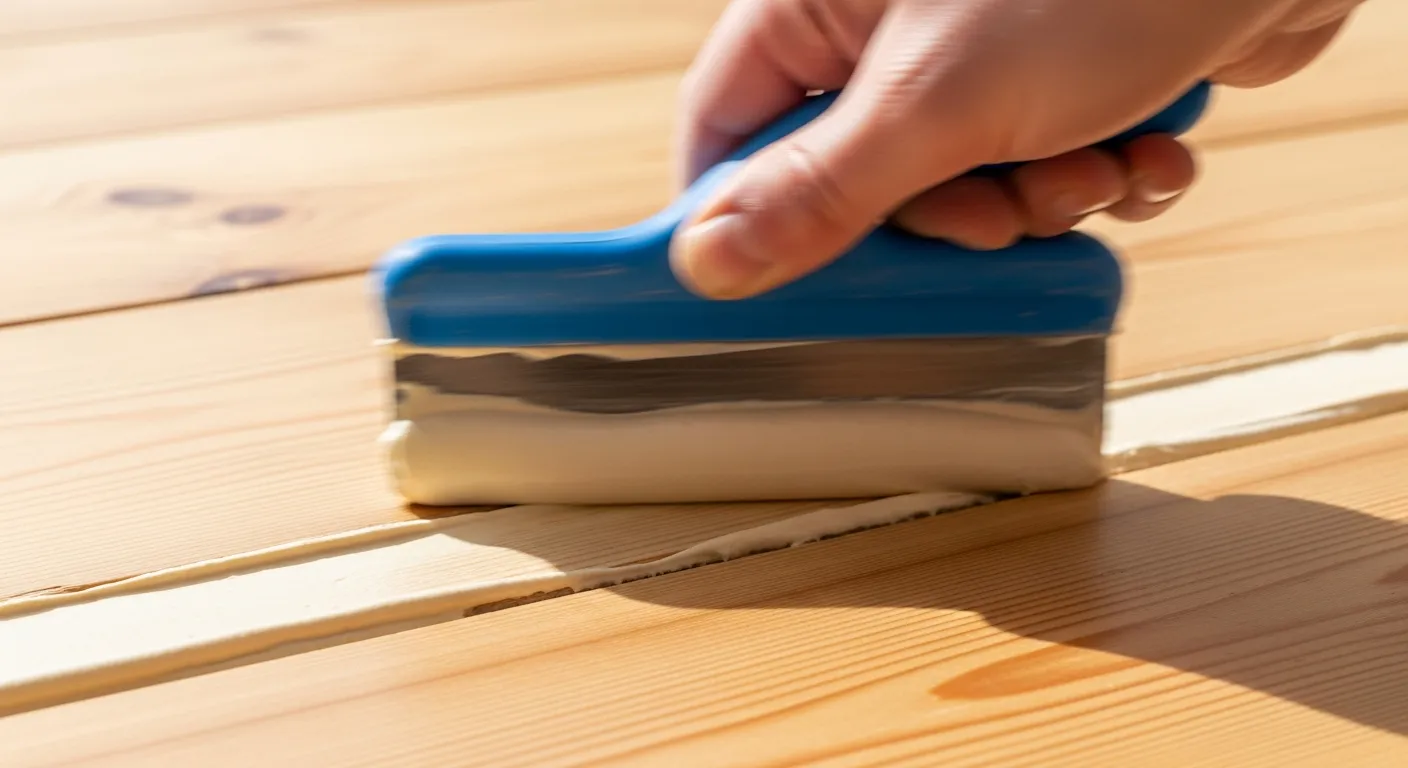
If the gaps at the foot of the bed cause your mattress to slide, consider using gap fillers or repositioning nearby furniture to create a firmer boundary and prevent movement.
Adjust the Layout of the Room

Place the bed in the corner of the room, where two walls meet. The walls won’t allow the bed to move. However, this might not be the perfect option if the room is shared by two people, as the wall may be inconvenient when getting in or out. Though it is a great choice for a single occupant.
Attach the Bed to the Wall

If you have a limited space, you can anchor the bed to your wall. However, before moving forward with this option, ensure that the wall is strong enough to handle the weight of the bed. More specifically, you need to make sure the studs align with the areas where you will insert screws to secure the headboard to the wall.
Choose the Right Bed Frame

It is important to choose the right bed frame. For example, you can opt for built-in anti-slip features or choose ones that accommodate rubber pads or stoppers. For a touch of finesse, choose a vintage or designer frame that also offers stability and keeps the bed in place.
Add a Rug With a Rug Pad

Adding a rug beneath the bed is one of the most cost-effective ways to minimize slip and sliding. However, if you place a rug alone, it might slide around, as most rugs cannot hold tight on tiling, laminate, or vinyl flooring. Hence, to improve the grip, it is advised to add a natural-rubber rug pad beneath the rug or carpet.
The natural rubber material is eco-friendly, lasts longer, and does not damage the floor. In addition, they won’t scratch the floor like PVC does, and are free from plasticizers, harmful substances found in plastic padding.
Use Stop Blocks
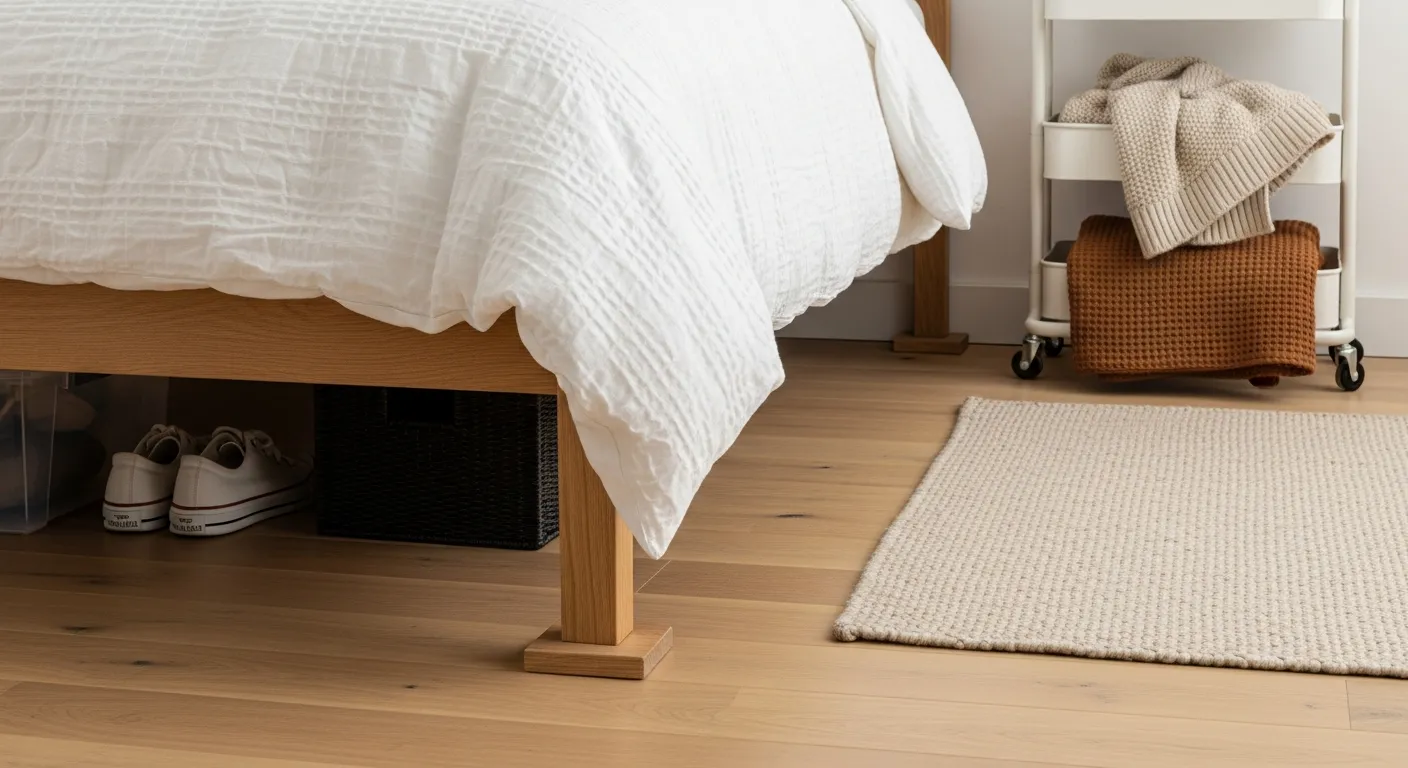
If the bed is very heavy, consider using stop blocks to prevent it from sliding. These are easy to make at home. All you need to do is cut wooden blocks as per the size of the bed legs. Once cut, place them between the furniture and the wall. It is a permanent fix for your problem, and the best part is that it looks like a part of the furniture.
Remove the Wheel (if any)
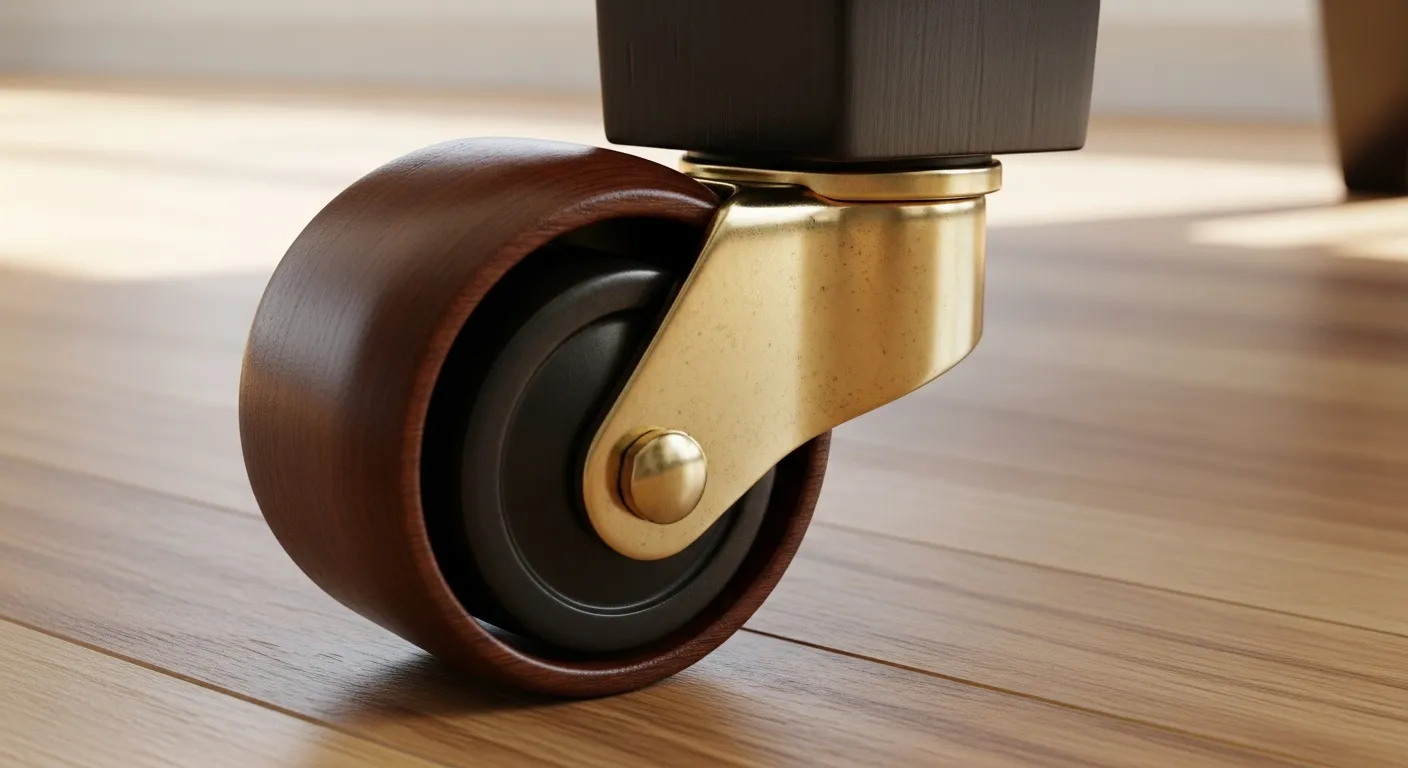
If your bed frame has wheels, it is recommended that you remove them. Even if the wheels lock, they may still not provide enough surface contact for the bed frame, which can still cause it to slide. Removing the wheels prevents excessive movement.
However, there are certain drawbacks that you must be aware of. For example, if you remove the wheels, it may lower the bed frame, and if you use the space under the bed as storage, this might be a problem.
Use a Velcro Strip
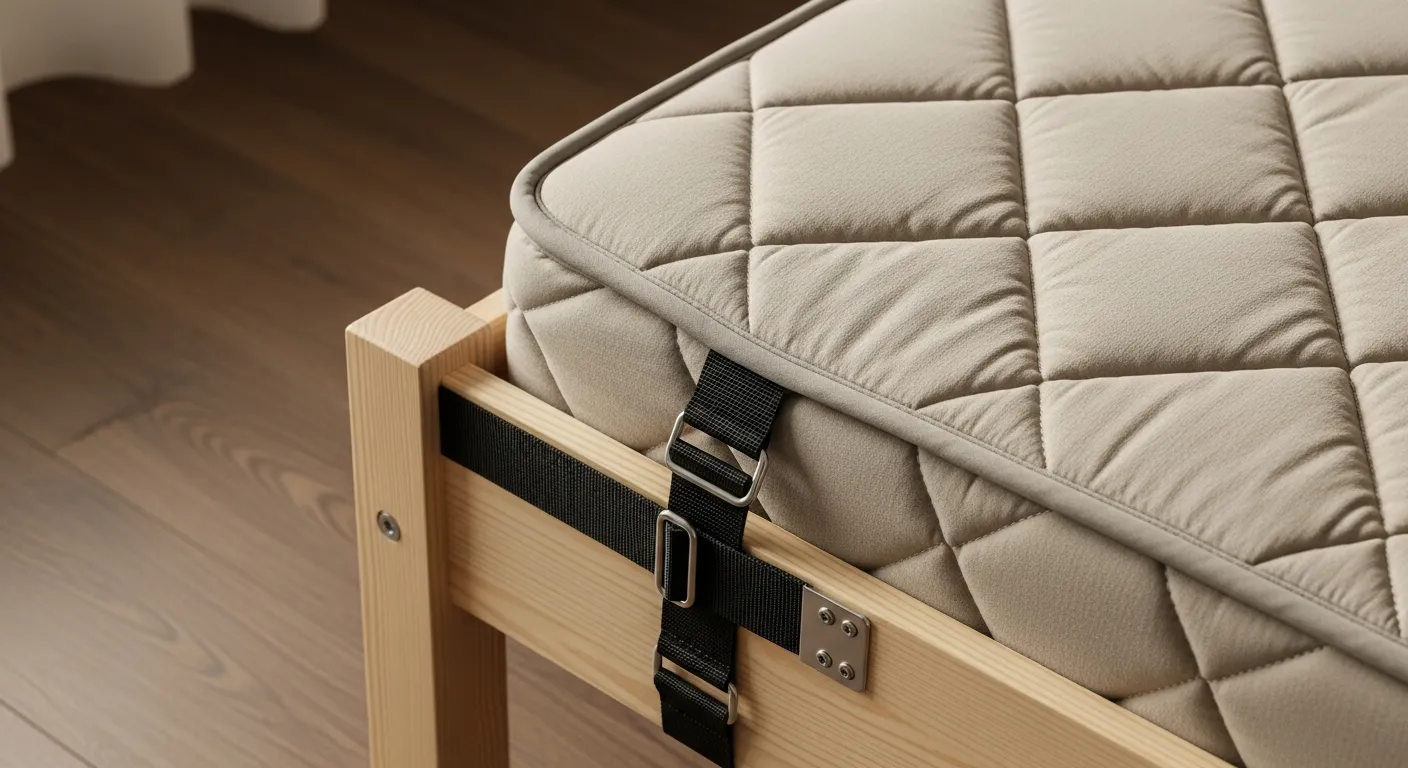
Velcro is also considered the best option, as it can be used for both the bed and the mattress. Check if the bed or the mattress underneath is sliding, and, depending on which is moving, choose between a velcro pad and a velcro strip.
The goal is to cover as many areas as possible, but Velcro does not always stick as well. Hence, you can choose strips for the mattress and pads for the bed legs to ensure a non-slippery experience.
Conclusion
Beds usually move due to a lack of friction. Adding rubber caps, velcro strips, and pads, attaching the bed to the wall, are all effective ways to prevent the bed from moving. You can also choose bed frames with textured and rubberized feet. This way, you can enjoy a good night's sleep without experiencing bed sliding.


